Khattar Chairs MP Energy & Urban Review in Ujjain
Synopsis
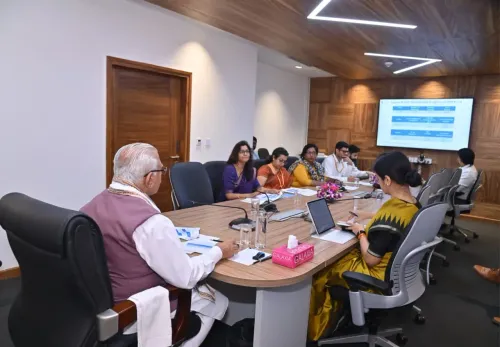
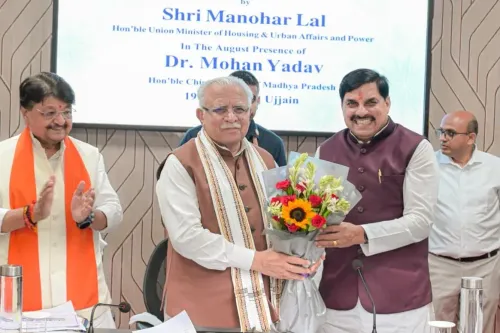
Union Power Minister Manohar Lal Khattar chaired a review in Ujjain on June 19, 2026, assessing Madhya Pradesh's progress on energy projects, Swachh Bharat Mission–Urban 2.0, the Indore CBG plant, and preparations to host Simhastha-2028 as a Zero Waste festival.
Key Takeaways
Union Power Minister Manohar Lal Khattar chaired a review meeting in Ujjain on June 19, 2026 on Madhya Pradesh's energy and urban development.
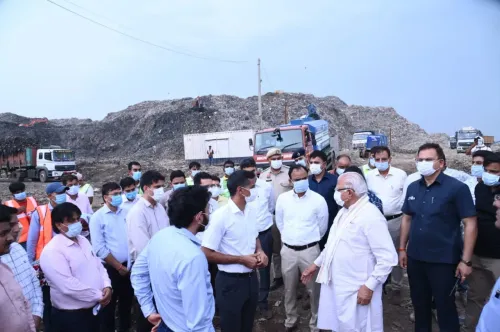
The meeting reviewed Madhya Pradesh 's progress under Swachh Bharat Mission–Urban 2.0 , covering legacy waste disposal, used-water management, and bio-energy production.
Indore 's 550 TPD Compressed Bio-Gas (CBG) plant — described as the country's first of its scale — and its outcomes were specifically discussed.
Preparations for Simhastha Mahaparv 2028 at Ujjain were reviewed, with a goal to organise the festival as a 'Zero Waste Simhastha' .
The review reflects the Union government's push to link urban waste management with renewable energy through central schemes implemented by states.
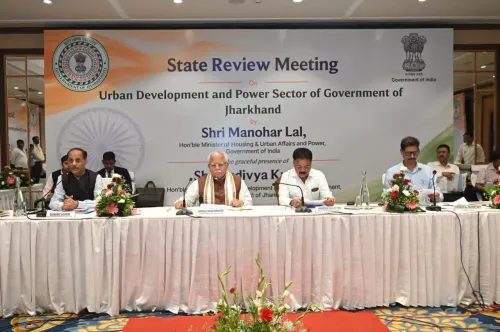
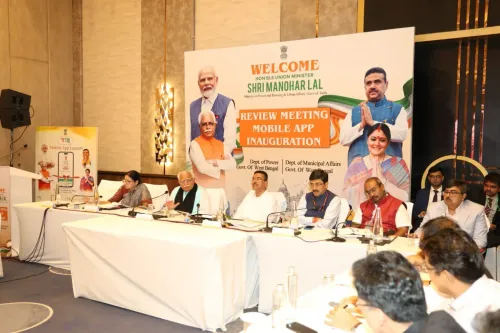
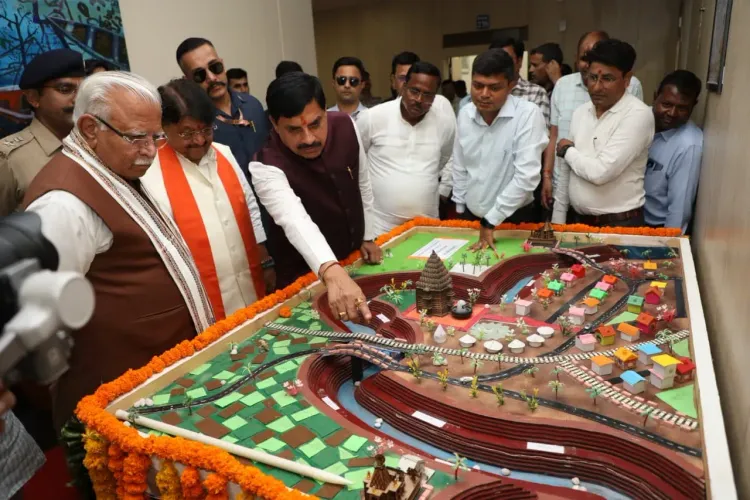
Union Power Minister Manohar Lal Khattar chaired a comprehensive review meeting in Ujjain on Friday, June 19, 2026, assessing Madhya Pradesh's progress on energy projects, urban development, and preparations for the Simhastha Mahaparv 2028. The meeting covered key priorities under the Swachh Bharat Mission–Urban 2.0, compressed bio-gas infrastructure, and a landmark zero-waste mandate for the upcoming pilgrimage festival.
Context
Khattar, who holds charge of both the Ministry of Power and the Ministry of Housing and Urban Affairs, convened the meeting to take stock of the state's urban and energy landscape. In his post, he stated — 'बैठक में ऊर्जा क्षेत्र की प्रमुख परियोजनाओं के साथ-साथ स्वच्छ भारत मिशन–शहरी 2.0 के अंतर्गत राज्य की प्रगति की विस्तृत समीक्षा की गई' — ('A detailed review was conducted of major energy sector projects as well as the state's progress under Swachh Bharat Mission–Urban 2.0'). The meeting specifically examined Madhya Pradesh's work in legacy waste disposal, used-water management, bio-energy production, and sustainable urban development.
Policy Backdrop
Swachh Bharat Mission–Urban 2.0, approved by the Union Cabinet in 2021, builds on the original 2014 national sanitation drive, placing emphasis on complete waste processing, wastewater treatment, and garbage-free cities. A significant highlight of the review was the Compressed Bio-Gas (CBG) plant at Indore — described as the country's first plant with a capacity of 550 tonnes per day (TPD) — and the positive outcomes being generated from it. The SATAT scheme, launched in 2018 to promote CBG production from agricultural and urban waste, provides the broader policy framework under which such plants operate. Indore, repeatedly ranked India's cleanest city, has been a model for large-scale municipal waste processing linked to energy generation.
Simhastha 2028 and Zero-Waste Goal
A major agenda item was the preparation for Simhastha Mahaparv 2028, the 12-yearly Kumbh festival held at Ujjain. The previous edition took place in 2016 and drew tens of millions of pilgrims, necessitating massive temporary urban infrastructure. This time, the Union and state governments are working toward organising Simhastha-2028 as a 'शून्य अपशिष्ट सिंहस्थ' — a 'Zero Waste Simhastha' — to ensure clean, well-organised, and improved facilities for devotees. Discussions at the meeting covered the arrangements and ongoing efforts required to meet this ambitious environmental standard at one of the world's largest religious gatherings.
Stakeholders and Impact
Urban local bodies across Madhya Pradesh are the primary implementation agencies for both SBM-Urban 2.0 targets and Simhastha infrastructure. Bio-energy developers and investors in the CBG sector stand to benefit from the state's demonstrated progress, which may attract further central support under existing schemes. Millions of pilgrims expected to attend Simhastha-2028 in Ujjain would directly experience the outcomes of the zero-waste planning now underway.
What's Next
State-level progress on CBG plant rollouts and waste-processing infrastructure will be closely tracked against national circular-economy targets. Any additional central guidelines or financial assistance packages for Simhastha-2028 zero-waste preparations are expected to follow from deliberations of this nature. The meeting signals that the Union government intends to keep Madhya Pradesh's urban and energy performance under active review as both national scheme deadlines and the 2028 festival draw closer.
Point of View
Such high-profile reviews build accountability pressure on state agencies while also generating a visible policy narrative. The meeting also reflects Khattar's consolidating grip over the twin ministries, using field-level reviews to drive inter-departmental coordination between power and urban affairs.
NationPress
18 Sept 2026
Frequently Asked Questions
What was discussed at Manohar Lal Khattar's Ujjain review meeting?
The meeting reviewed Madhya Pradesh's energy sector projects, progress under Swachh Bharat Mission–Urban 2.0 including legacy waste disposal and used-water management, the Indore Compressed Bio-Gas plant, and preparations for a Zero Waste Simhastha 2028.
What is Zero Waste Simhastha 2028?
'Zero Waste Simhastha' is the stated goal to organise the Simhastha Mahaparv — the 12-yearly Kumbh festival at Ujjain — in 2028 with zero waste generation, ensuring clean and well-managed facilities for pilgrims.
What is the Indore 550 TPD CBG plant?
The Indore plant is described as India's first Compressed Bio-Gas facility with a capacity of 550 tonnes per day, processing municipal waste to generate bio-gas as part of the Union government's SATAT scheme for renewable energy.
What is Swachh Bharat Mission–Urban 2.0?
Swachh Bharat Mission–Urban 2.0 is the second phase of the national urban sanitation programme, approved in 2021, focused on complete waste processing, used-water management, legacy waste remediation, and making cities garbage-free.
When is the next Simhastha Kumbh at Ujjain?
The next Simhastha Mahaparv is scheduled for 2028 at Ujjain, Madhya Pradesh. The previous edition was held in 2016.