Khattar Launches SwachhaApp Pilot in Kolkata
Synopsis
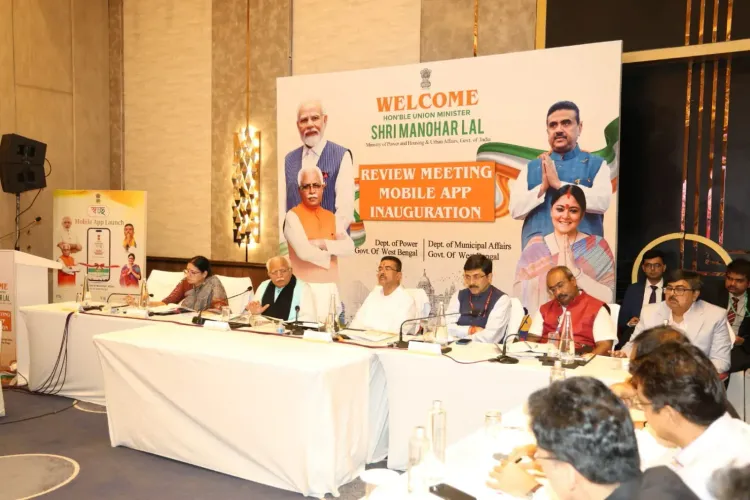
Union Minister Manohar Lal Khattar launched the SwachhaApp Pilot Project in Kolkata on 30 May 2026, alongside West Bengal's Chief Minister and Municipal Affairs Minister, to advance technology-driven citizen engagement under the Swachh Bharat Mission. He also held talks on power and urban infrastructure cooperation between the Centre and West Bengal.
Key Takeaways
Union Power Minister Manohar Lal Khattar launched the SwachhaApp Pilot Project in Kolkata on 30 May 2026 .
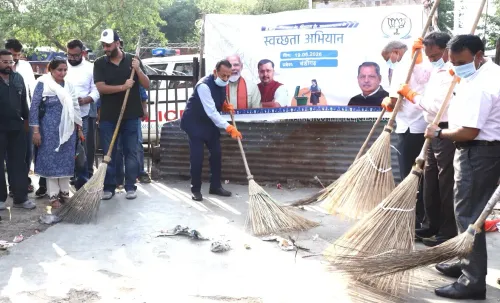
The app aims to enhance citizen reporting and engagement in urban sanitation under the Swachh Bharat Mission framework.
Kolkata has been chosen as the pilot city, with the possibility of a phased national expansion if the pilot succeeds.
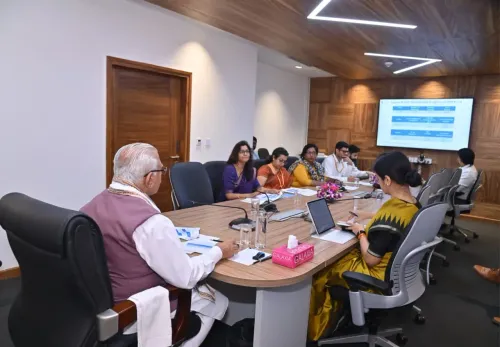
Khattar held detailed discussions with West Bengal leadership on power sector development , urban infrastructure, and public service delivery.
The visit reflects ongoing Centre-State coordination on urban governance even across party lines.
The pilot aligns with SBM-Urban 2.0 guidelines issued in 2021 , which emphasise technology-enabled citizen participation.
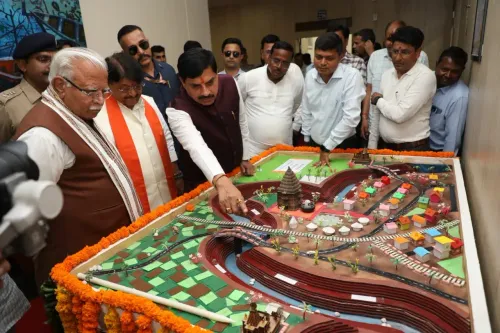
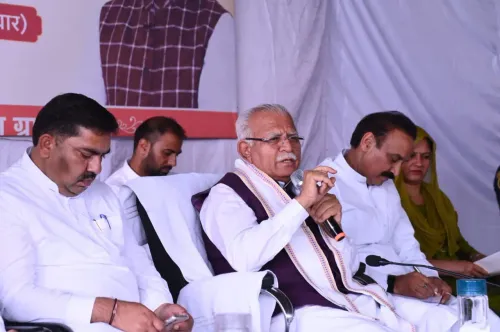
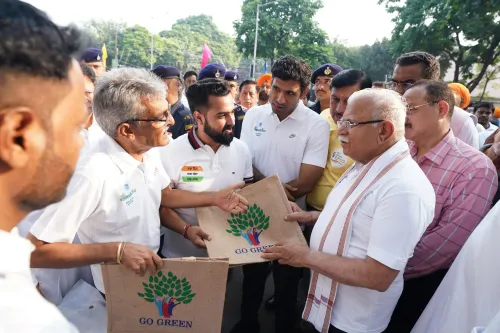
Union Power Minister Manohar Lal Khattar launched the SwachhaApp Pilot Project in Kolkata on Saturday, 30 May 2026, alongside the Chief Minister of West Bengal and the state's Minister for Municipal Affairs, marking a fresh push to embed digital citizen engagement into urban sanitation governance.
Context
The SwachhaApp is designed to strengthen citizen participation in urban governance by allowing residents to report sanitation and cleanliness concerns directly to municipal bodies through a mobile platform. Khattar described the app as 'a significant step towards enhancing citizen engagement in urban governance and leveraging technology to further the vision of the Swachh Bharat Mission.' Kolkata, as one of India's largest and most densely populated metropolitan cities, presents a high-stakes testing ground for the pilot before any wider national rollout.
Policy Backdrop
The Swachh Bharat Mission, launched in October 2014, set out to eliminate open defecation and overhaul solid waste management across the country. Its second phase, SBM-Urban 2.0, whose guidelines were issued in 2021, placed explicit emphasis on technology-enabled citizen participation and modern waste-processing infrastructure. The SwachhaApp pilot sits squarely within that digital-first mandate, extending the mission's reach into real-time, app-based reporting and feedback loops between residents and urban local bodies.
Central ministries under the Housing and Urban Affairs portfolio have progressively rolled out mobile applications and digital dashboards to increase citizen reporting under Swachh Bharat and allied urban schemes. The Kolkata pilot follows that broader pattern of technology-led urban governance initiatives.
Stakeholders and Impact
Urban residents of Kolkata and the city's municipal administration are the most immediate stakeholders, with the app intended to shorten the feedback loop between citizens who spot sanitation failures and the officials responsible for addressing them. If the pilot demonstrates measurable improvement in complaint resolution and waste management metrics, it could provide a template for other large Indian cities grappling with similar urban infrastructure pressures.
Beyond sanitation, Minister Khattar also held 'detailed discussions on key issues in the Power and Housing and Urban Affairs sectors' during the visit, with deliberations focused on 'strengthening Centre-State collaboration and accelerating efforts to improve urban infrastructure, sanitation, public service delivery, and power sector development across the state.' The engagement is notable given that West Bengal is governed by a non-NDA party, underscoring that routine centre-state coordination on infrastructure continues across political lines.
What's Next
The key question following the Kolkata pilot launch is whether the SwachhaApp will be expanded in phases to other metropolitan and Tier-2 cities under the Swachh Bharat Mission framework. Follow-up centre-state working groups on West Bengal's power distribution reforms and housing targets — areas also discussed during the minister's visit — could translate the day's deliberations into concrete action plans. The pace of that follow-through will determine whether Saturday's launch is a one-off demonstration or the opening move in a sustained urban-governance push.
Point of View
Even where political incentives might otherwise discourage coordination. The simultaneous discussions on power and housing suggest the visit was designed as a comprehensive centre-state engagement rather than a single-issue event. How quickly the pilot data is published and acted upon will be the real test of whether the app becomes a governance tool or a ceremonial launch.
NationPress
19 Sept 2026
Frequently Asked Questions
What is the SwachhaApp and what does it do?
The SwachhaApp is a mobile application launched as a pilot in Kolkata to allow citizens to report sanitation and cleanliness issues directly to municipal authorities, strengthening citizen engagement under the Swachh Bharat Mission.
Who launched the SwachhaApp in Kolkata?
Union Minister of Power and Housing and Urban Affairs Manohar Lal Khattar launched the SwachhaApp Pilot Project in Kolkata on 30 May 2026 , alongside West Bengal's Chief Minister and Minister for Municipal Affairs.
What is the Swachh Bharat Mission?
The Swachh Bharat Mission is a national sanitation programme launched in October 2014 to eliminate open defecation and modernise solid waste management. Its urban second phase, SBM-Urban 2.0, launched in 2021, focuses on technology-enabled citizen participation.
Why was Kolkata chosen for the SwachhaApp pilot?
Kolkata, as one of India's largest metropolitan cities with significant urban infrastructure challenges, provides a robust testing environment for the app before a potential phased rollout to other cities.
What other issues did Khattar discuss during his Kolkata visit?
Beyond the app launch, Minister Khattar held detailed discussions on power sector development, urban infrastructure, sanitation, and public service delivery in West Bengal, focusing on strengthening Centre-State collaboration.