Khattar Arrives in Ranchi for Power, Swachh Bharat Review
Synopsis
Union Power Minister Manohar Lal Khattar arrived in Ranchi on 19 June 2026 for the first leg of a two-day tour of Jharkhand and Madhya Pradesh, where he will hold consultations on energy infrastructure and Swachh Bharat Mission implementation in both states.
Key Takeaways
Manohar Lal Khattar arrived in Ranchi on 19 June 2026 as part of a two-day state tour.
The tour covers Jharkhand and Madhya Pradesh — both significant for thermal power and Swachh Bharat Mission targets.
Discussions in Ranchi will focus on energy infrastructure and Swachh Bharat Mission implementation.
The visit is part of the standard centre-state coordination mechanism overseen by the Ministry of Power and Ministry of Housing and Urban Affairs .
State governments, urban local bodies, and power distribution companies are the key stakeholders in these consultations.
Outcomes from both legs of the tour are expected to inform the next quarterly review cycle for central schemes in both states.
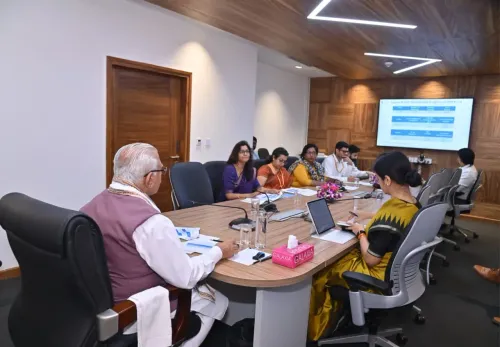
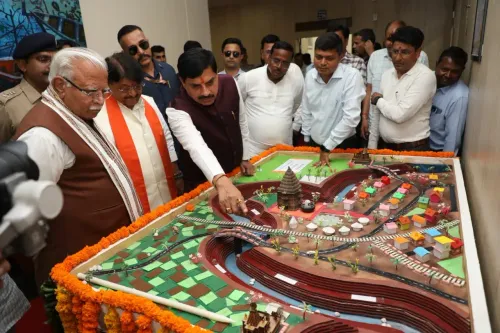
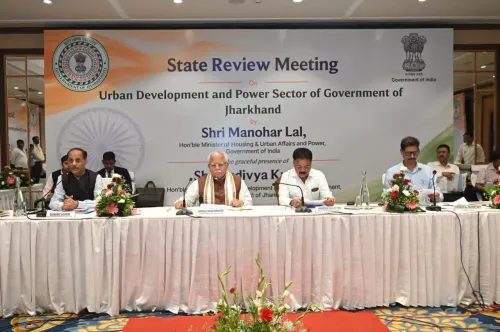
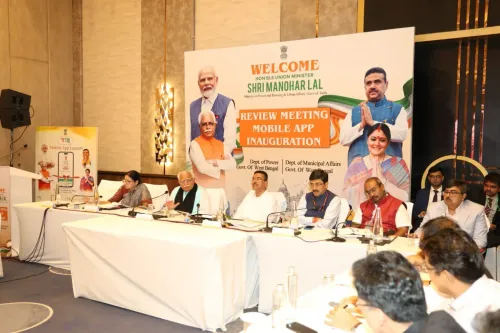
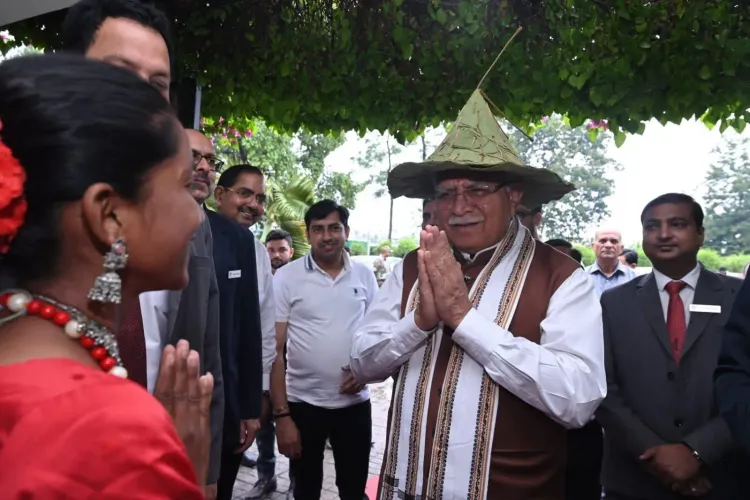
Union Power Minister Manohar Lal Khattar arrived in Ranchi on Friday, 19 June 2026, marking the first stop of a two-day tour covering Jharkhand and Madhya Pradesh. The visit is focused on wide-ranging consultations on energy infrastructure and the Swachh Bharat Mission as they relate to both states.
Context
Posting on X with the traditional Jharkhand greeting 'Jai Johar' ('Greetings and salutations'), Minister Khattar confirmed his arrival in the state capital and said discussions would cover 'various aspects of energy and the Swachh Bharat Mission connected to the state.' The greeting, rooted in the indigenous culture of Jharkhand, is widely used as a mark of solidarity with the region's tribal communities.
The two-day itinerary places Ranchi as the opening leg, with Madhya Pradesh to follow. Both states fall within the minister's concurrent portfolio of Power and Housing and Urban Affairs, making coordinated state-level reviews a routine but substantive part of his mandate.
Policy Backdrop
The Swachh Bharat Mission, launched nationally in October 2014, targets open-defecation-free status and improved solid waste management across rural and urban India. Its urban component is administered through the Ministry of Housing and Urban Affairs, giving Khattar direct oversight of implementation benchmarks in cities such as Ranchi.
On the power side, the Ministry of Power has maintained a pattern of state-level reviews covering electrification drives, renewable energy integration, and distribution company reforms in Jharkhand and Madhya Pradesh since 2014. Jharkhand, with its substantial coal reserves and thermal generation capacity, and Madhya Pradesh, a major contributor to central India's power grid, are strategically significant for both energy security and industrial growth.
Union ministers holding joint charge of power and urban affairs routinely undertake such tours as part of the standard centre-state coordination mechanism, using them to assess on-ground progress and align state agencies with central scheme targets.
Stakeholders and Impact
The primary stakeholders in the Ranchi consultations are the Jharkhand state government, urban local bodies responsible for sanitation targets, and power distribution companies operating in the state. Progress on last-mile electrification and the financial health of state discoms are among the standing agenda items in such reviews.
For ordinary residents, the discussions carry practical implications: faster resolution of power supply grievances, improved waste management infrastructure in urban wards, and potential announcements on pending central scheme funds. Madhya Pradesh stakeholders will similarly await outcomes from the second leg of the tour.
What's Next
The minister is expected to proceed to Madhya Pradesh after concluding his engagements in Ranchi, completing the two-day tour. Any joint statements, project announcements, or targets set during these meetings are likely to feed into the next quarterly review cycle for both states under the Ministry of Power and the Ministry of Housing and Urban Affairs. The outcomes of this visit will be a marker of how swiftly the centre and state governments can align on pending infrastructure and sanitation deliverables ahead of the next fiscal review.
Point of View
Particularly as the Swachh Bharat Mission enters its next phase of urban targets. Holding concurrent charge of Power and Housing and Urban Affairs gives Khattar unusual leverage to push both energy and sanitation agendas in a single visit, reducing coordination friction between state agencies. Jharkhand's coal-linked power infrastructure and Madhya Pradesh's grid significance make this tour strategically timed ahead of any mid-year budgetary adjustments. The tour also signals continued central attention to states where distribution company finances and urban sanitation metrics remain works in progress.
NationPress
19 Sept 2026
Frequently Asked Questions
Why did Manohar Lal Khattar visit Ranchi in June 2026?
Khattar visited Ranchi on 19 June 2026 as the first stop of a two-day tour to hold discussions on energy infrastructure and Swachh Bharat Mission implementation in Jharkhand and Madhya Pradesh.
What is the Swachh Bharat Mission and why is it relevant to this visit?
The Swachh Bharat Mission, launched in October 2014, is a national sanitation programme targeting open-defecation-free status and improved waste management. Its urban component falls under the Ministry of Housing and Urban Affairs, which Khattar heads alongside the Power portfolio.
What does Manohar Lal Khattar's ministry oversee?
Khattar serves as Union Minister of Power and Housing and Urban Affairs, giving him oversight of electricity infrastructure, distribution reforms, and urban sanitation schemes across Indian states.
Why are Jharkhand and Madhya Pradesh significant for India's power sector?
Jharkhand holds substantial coal reserves and thermal generation capacity, while Madhya Pradesh is a major contributor to central India's power grid, making both states strategically important for energy security and distribution reforms.
What outcomes are expected from Khattar's two-day tour?
Potential outcomes include project announcements, updated targets for power distribution companies, and progress assessments on Swachh Bharat Mission-Urban benchmarks, which are expected to feed into the next quarterly review cycle for both states.