Indian envoy Santosh Jha inaugurates 22nd Model Village in Galle, meets Sri Lanka ministers
Synopsis
India's High Commissioner Santosh Jha packed a week of quiet diplomacy in Sri Lanka — inaugurating the 22nd India-funded Model Village for 24 families in Galle, launching a manuscript digitisation project at Gangaramaya Temple, meeting the Agriculture Minister and women entrepreneurs, and handing over 3 tonnes of anti-TB medicines. Taken together, it signals how deep and wide India's grassroots engagement with its southern neighbour has grown.
Key Takeaways
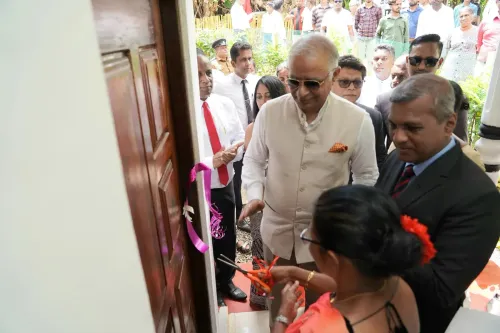
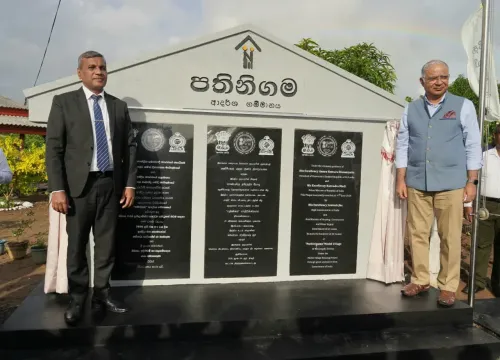
Santosh Jha , India's High Commissioner to Sri Lanka, inaugurated the 22nd Model Village 'Didula' in Galle district on 24 October , providing homes to 24 families .
The Model Village Housing Project is being implemented across all 25 districts of Sri Lanka with Indian grant assistance.
Jha met Sri Lanka's Agriculture Minister K.D.
Lal Kantha for talks on politics, agricultural innovation, and geopolitical developments.
Project SAMHiTA , launched at Gangaramaya Temple in Colombo, will digitise 100 ancient palm-leaf manuscripts with support from India's India International Centre (IIC) .
India earlier handed over a 3-tonne consignment of anti-tuberculosis medicines to Sri Lanka's Health Minister Nalinda Jayatissa this month.
Jha also met Women's Chamber of Industry and Commerce (WCIC) Chairperson Gayani De Alwis , highlighting women's entrepreneurship as a pillar of bilateral growth.
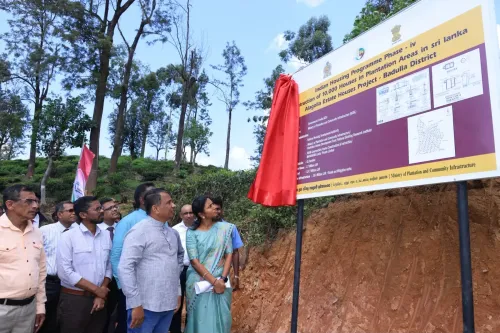
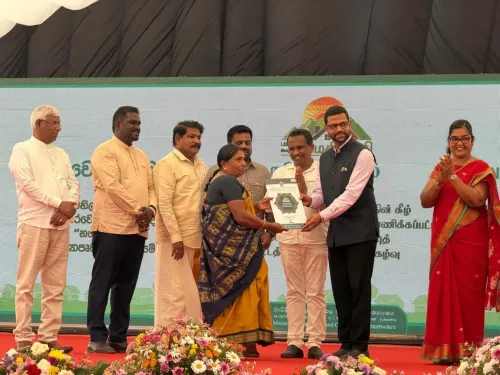
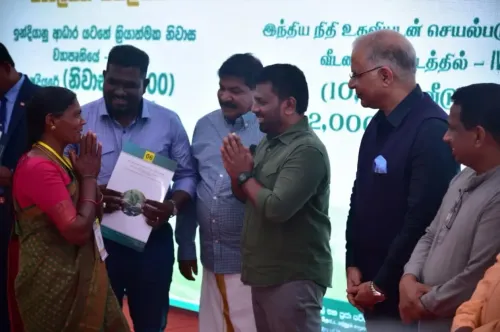
India's High Commissioner to Sri Lanka, Santosh Jha, on Friday, 24 October, inaugurated 'Didula', the 22nd Model Village built under India's grant assistance programme, in Galle district, providing homes to 24 families. The event was held alongside Sri Lanka's Minister of Housing, Construction and Water Supply, Sushil Ranasinghe, and marks another milestone in India's grassroots development engagement across the island nation.
Model Village in Galle: What It Means
The 'Didula' Model Village is part of India's Model Village Housing Project, which is being implemented across all 25 districts of Sri Lanka using Indian grant funding. Speaking on social media platform X, High Commissioner Jha described the inauguration as a 'new chapter' for the beneficiary families. 'Supported by Indian grant assistance, houses under Model Village Housing Project are being constructed across all 25 districts of Sri Lanka reflecting the strength of India-Sri Lanka friendship in transforming lives at the grassroots level,' Jha posted on X.
Meetings with Sri Lanka's Agriculture and Women's Leadership
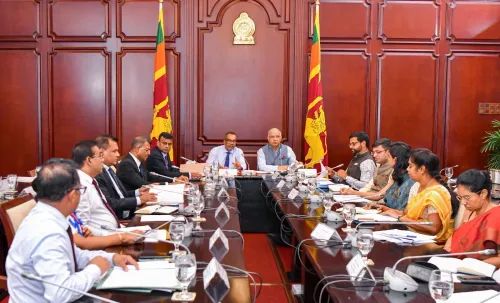
On Saturday, Jha met Sri Lanka's Minister of Agriculture, Livestock, Land and Irrigation, K.D. Lal Kantha, for discussions covering politics, agricultural innovation, and international geopolitical developments. 'Pleasure to meet K.D. Lal Kantha, Minister of Agriculture, Livestock, Land and Irrigation for a conversation on politics, agricultural innovation and international geopolitical developments,' Jha noted on X.
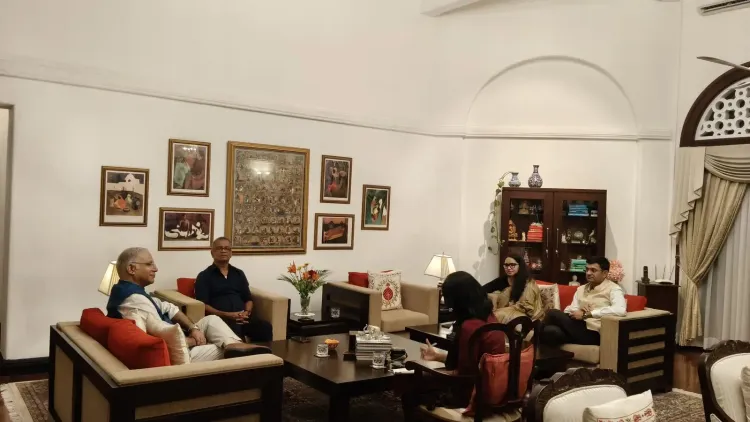
Separately, the High Commissioner engaged with the leadership of Sri Lanka's Women's Chamber of Industry and Commerce (WCIC), led by its Chairperson Gayani De Alwis. Jha underscored women's entrepreneurship as 'an essential pillar for economic growth and prosperity for both India and Sri Lanka,' and expressed satisfaction at WCIC's expanding partnerships with India.
Digitising Ancient Manuscripts: Project SAMHiTA
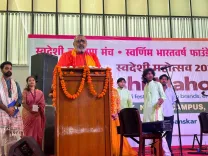
Also on Friday, Jha participated in the launch of Project SAMHiTA at Colombo's Gangaramaya Temple. The initiative, implemented by the India International Centre (IIC) in New Delhi with Indian government grant support, aims to digitise 100 ancient palm-leaf manuscripts. Jha described the effort as a reflection of the 'enduring cultural and spiritual bonds between India and Sri Lanka,' and emphasised preserving this knowledge for future generations.
Anti-TB Medicines Handed Over Earlier This Month
Earlier in October, Jha handed over a 3-tonne consignment of essential anti-tuberculosis medicines to Sri Lanka's Minister of Health and Mass Media, Nalinda Jayatissa. The medicines are intended to support Sri Lanka's tuberculosis treatment and control programme. This comes amid ongoing health cooperation between the two neighbours, with India positioning itself as a reliable partner in Sri Lanka's public health infrastructure. Notably, this is part of a broader pattern of Indian assistance spanning housing, health, agriculture, and cultural preservation.
India-Sri Lanka Ties: A Broader Context
This cluster of engagements reflects India's sustained 'Neighbourhood First' policy, which prioritises deepening bilateral ties with South Asian neighbours through tangible, people-centric deliverables. From housing projects and healthcare supplies to manuscript digitisation, India's engagement with Sri Lanka has broadened well beyond traditional diplomatic channels. With Sri Lanka navigating its post-economic-crisis recovery, Indian support at the grassroots level carries both strategic and humanitarian significance. Further bilateral initiatives are expected as both nations continue to deepen cooperation across sectors.
Point of View
Health, agriculture, culture, and women's enterprise — is less a series of standalone events and more a deliberate signalling exercise. India is demonstrating to Colombo, and to the region, that its 'Neighbourhood First' policy has operational depth, not just rhetorical warmth. What is worth watching is whether this sustained grassroots investment translates into durable strategic goodwill, particularly as Sri Lanka simultaneously courts Chinese infrastructure financing. India's edge lies in people-level delivery; the risk is that headline-grabbing Chinese projects overshadow quieter Indian gains unless New Delhi continues to scale and publicise them effectively.
NationPress
25 Oct 2026
Frequently Asked Questions
What is the 'Didula' Model Village inaugurated in Galle?
'Didula' is the 22nd Model Village built under India's grant-assisted Model Village Housing Project in Sri Lanka, inaugurated on 24 October in Galle district. It provides homes to 24 families and is part of a broader initiative being implemented across all 25 districts of Sri Lanka.
What is Project SAMHiTA launched in Colombo?
Project SAMHiTA is an initiative to digitise 100 ancient palm-leaf manuscripts, launched at Gangaramaya Temple in Colombo. It is implemented by the India International Centre (IIC) in New Delhi with Indian government grant support, and aims to preserve shared cultural and spiritual heritage between India and Sri Lanka.
Why did India hand over anti-TB medicines to Sri Lanka?
India handed over a 3-tonne consignment of essential anti-tuberculosis medicines to Sri Lanka's Health Minister Nalinda Jayatissa to support the country's TB treatment and control programme. The gesture is part of ongoing health cooperation between the two countries.
Who is Santosh Jha and what is his role?
Santosh Jha is India's High Commissioner to Sri Lanka, the senior-most Indian diplomatic representative in the country. He has been actively engaged in bilateral initiatives spanning housing, healthcare, agriculture, cultural preservation, and trade during this period.
How does the Model Village Housing Project work?
The Model Village Housing Project is funded through Indian government grants and constructs housing clusters for local communities across all 25 districts of Sri Lanka. The 'Didula' village in Galle is the 22nd such project to be completed, reflecting India's sustained commitment to grassroots development in Sri Lanka.