How are Locals in Sri Lanka Expressing Gratitude to the Indian Army for Life-Saving Assistance After Devastating Floods?
Synopsis
Locals in Sri Lanka are voicing their gratitude towards the Indian Army and the Indian government for their critical support following the devastating floods caused by Cyclone Ditwah. This collaboration showcases the enduring friendship and humanitarian commitment between the two countries.
Key Takeaways
Indian Army has established a field hospital in Sri Lanka.
Overwhelming support is being provided to flood victims.
Engineers are repairing critical infrastructure.
Surveillance drones are aiding in patient transport.
The operation exemplifies India's Neighbourhood First policy .
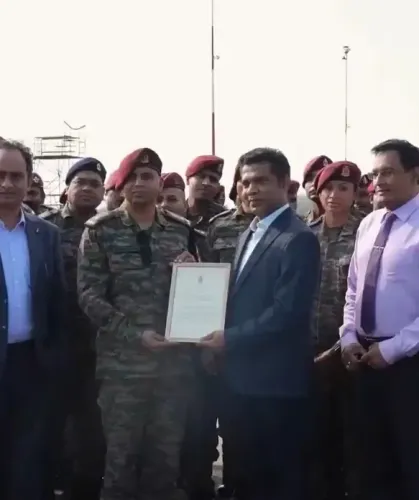
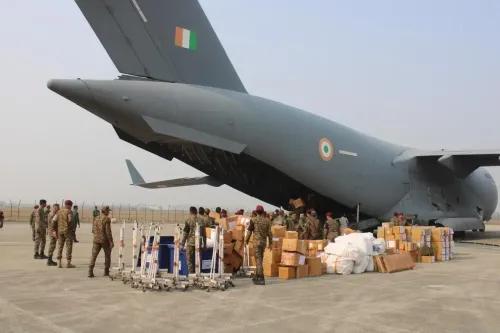
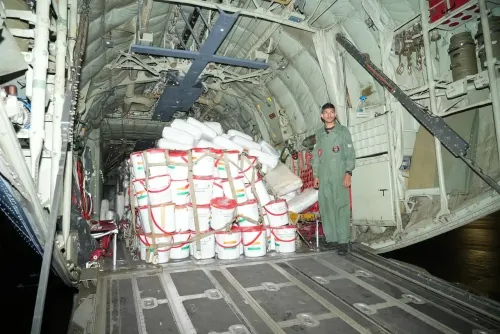
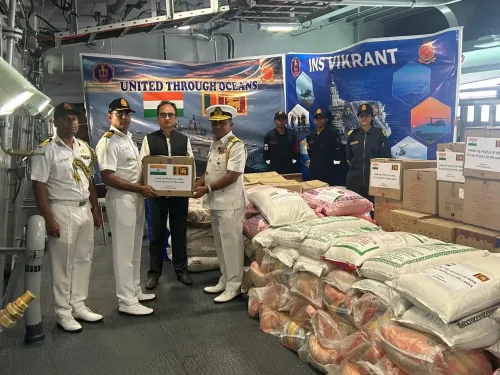
New Delhi, Dec 12 (NationPress) Residents of Sri Lanka have shown profound appreciation for the Indian Army and the Indian government for their life-saving interventions following the devastating floods caused by Cyclone Ditwah.
Villagers reported that their homes, schools, and transport routes were severely damaged by overwhelming waves, leaving many communities in isolation.
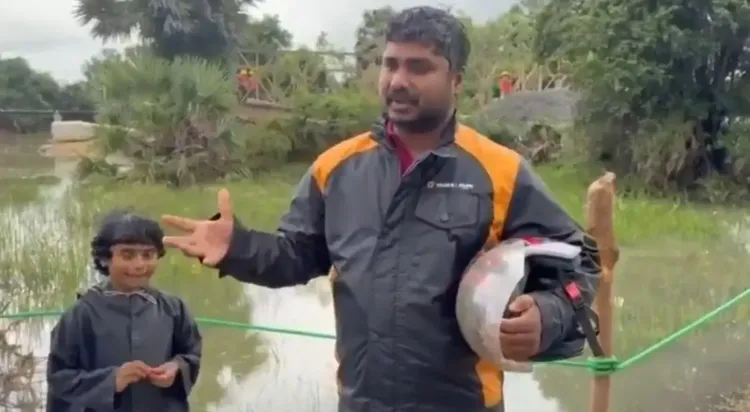
“The Indian Army and the Indian government have provided us with incredible assistance. Our village suffered extensive damage, and even the path our children took to school was swept away. During this challenging time, they came forward and supported us in every possible way,” stated a local resident, expressing gratitude on behalf of the community.
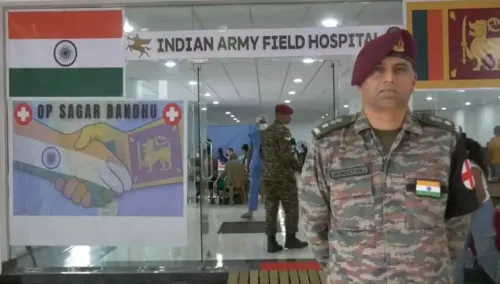
As part of Operation Sagar Bandhu, the Indian Army has established a fully operational field hospital in one of the most affected areas, offering urgent medical care to thousands.
Despite washed-out roads, collapsed bridges, and extensive communication failures, the team undertook an 18-hour journey from Colombo to reach the disaster-stricken area. With no existing infrastructure, they transformed an empty parking lot into a modern medical facility, powered by portable generators and supported by a restored communication center.
Lt Col Jagneet Gill, who heads the contingent, emphasized the collaborative efforts between Indian and Sri Lankan authorities and highlighted their mutual commitment to humanitarian aid.
Engineers and medical personnel worked tirelessly overnight to set up shelters and operational theatres, equipped with medical tents featuring climate control and advanced diagnostic equipment.
Surveillance drones were utilized for aerial mapping, facilitating quicker planning and safer patient transport across the flood-impacted landscape.
The hospital quickly evolved into a multi-specialty medical center providing surgeries, orthopedic care, dental services, X-ray facilities, and various outpatient departments.
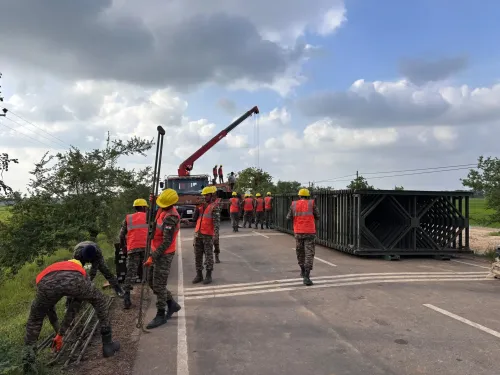
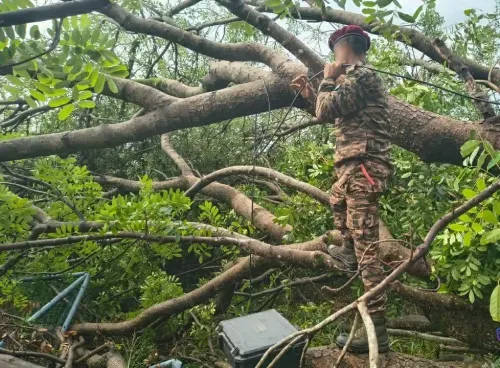
In addition to medical aid, the Indian Army's Engineer Task Force has been actively repairing essential infrastructure, including the de-launching of damaged bridges, transporting Bailey bridge components, and restoring vital road access.
By reinstating communication lines, delivering clean water, and rebuilding necessary infrastructure, the Indian Army has emerged as a key source of support for the citizens of Sri Lanka.
The ongoing operations exemplify India's Neighbourhood First policy and the lasting friendship between the two nations.
Point of View
It is imperative to recognize the unwavering commitment of the Indian Army in providing humanitarian support during crises. The ongoing efforts in Sri Lanka not only reflect the spirit of cooperation between nations but also highlight the importance of standing together in times of need. Our coverage remains focused on delivering factual and unbiased reports that resonate with our values of integrity and trust.
NationPress
19 Sept 2026
Frequently Asked Questions
What assistance did the Indian Army provide to Sri Lanka?
The Indian Army set up a fully functional field hospital, offered urgent medical relief, and assisted in repairing critical infrastructure damaged by the floods.
What was the cause of the flooding in Sri Lanka?
The flooding was triggered by Cyclone Ditwah, which caused extensive damage to homes, schools, and infrastructure.
How did the Indian Army reach the affected areas?
Despite challenging conditions, the Indian Army undertook an 18-hour journey from Colombo to reach the disaster zone.
What is Operation Sagar Bandhu?
Operation Sagar Bandhu is a humanitarian mission undertaken by the Indian Army to provide support and assistance during natural disasters in neighboring countries.
How are the local communities in Sri Lanka responding to the aid?
Local communities have expressed profound gratitude for the assistance provided by the Indian Army and the Indian government during this difficult time.