India, Singapore agree to deepen energy ties at SIEW 2026
Synopsis
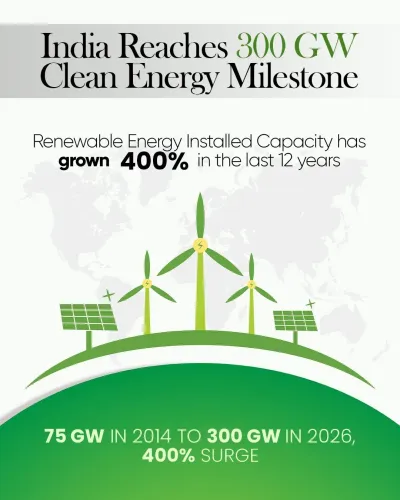
India and Singapore moved closer to a cross-border electricity link at SIEW 2026, while Minister Naik also showcased a milestone few anticipated so soon: India hit 50% non-fossil installed capacity in June 2025 — five full years ahead of its NDC target. With 558.9 GW total capacity and 500 GW non-fossil in sight by 2030, India is now actively converting its clean energy story into investment diplomacy.
Key Takeaways
Shripad Yesso Naik met Singapore's Gan Siow Huang on 28 October 2026 at SIEW 2026 to advance energy ties under the India-Singapore Comprehensive Strategic Partnership.
Key talks covered a proposed cross-border electricity interconnection and Singaporean investment in transmission, pumped storage, battery storage , and renewables.
India-Bhutan bilateral reviewed progress on the 1,200 MW Punatsangchhu-I and 1,020 MW Punatsangchhu-II hydroelectric projects, plus cross-border transmission planning to 2040 .
India's installed electricity capacity reached 558.9 GW as of 30 September 2026 , with 55% from non-fossil sources — hitting the 50% NDC target five years early .
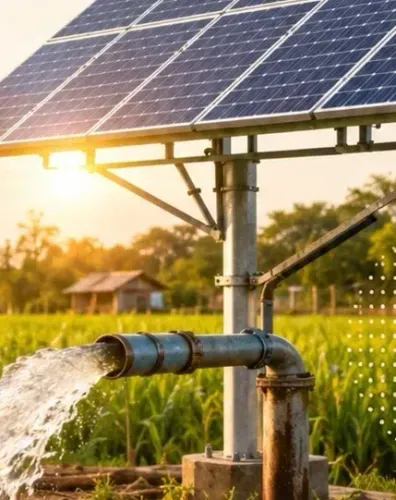
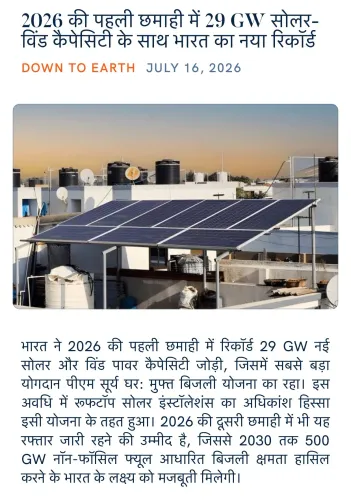
Around 53 lakh rooftop solar systems installed under PM Surya Ghar ; nearly 12 lakh solar pumps and 17 lakh solarised grid pumps under PM-KUSUM , benefiting 30 lakh farmers .
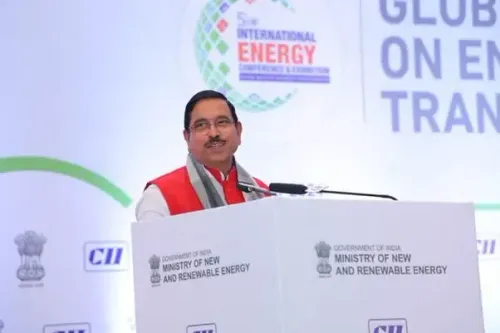
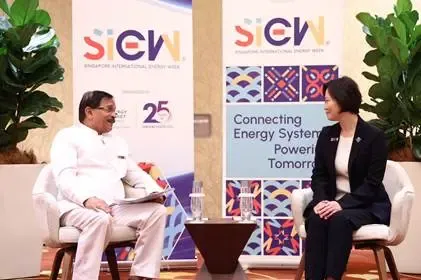
Union Minister of State for Power and New & Renewable Energy Shripad Yesso Naik held a bilateral meeting with Singapore's Minister of State for Foreign Affairs, Energy and Trade and Industry Gan Siow Huang on 28 October 2026, on the sidelines of the Singapore International Energy Week (SIEW) 2026, to advance energy cooperation under the India-Singapore Comprehensive Strategic Partnership. A key agenda item was the proposed cross-border electricity interconnection between the two nations, according to an official statement.
Key Areas of Cooperation Discussed
Minister Naik formally invited long-term Singaporean investment across India's energy infrastructure, specifically in transmission networks, pumped storage, battery storage, and renewable energy projects. Discussions also covered cooperation in green hydrogen and ammonia, energy efficiency, and potential partnerships between Indian power equipment manufacturers and Singapore's utilities — signalling a broad and commercially oriented agenda beyond the diplomatic tier.
India-Bhutan Energy Progress
On the sidelines of the same event, Naik met Bhutan's Minister for Energy and Natural Resources Lyonpo Sonam Tashi to review bilateral energy milestones. The two ministers noted steady progress on the 1,200 MW Punatsangchhu-I Hydroelectric Project, where dam construction has advanced since concreting resumed in April 2026, and acknowledged satisfactory operations of the 1,020 MW Punatsangchhu-II project. Discussions also covered additional projects under consideration with Indian entities and cross-border transmission planning up to 2040.
Meetings with IRENA and IEA Chiefs
Naik met Francesco La Camera, Director-General of the International Renewable Energy Agency (IRENA), to explore deeper cooperation under the Strategic Partnership Agreement, including affordable finance for renewable energy in developing economies, long-term energy planning, and green hydrogen capacity building across the ASEAN region.
He also met Fatih Birol, Executive Director of the International Energy Agency (IEA), and welcomed the forthcoming launch of the IEA's India Renewable Energy Market Report 2026 at the Bharat Renewable Energy Summit, alongside the India Critical Minerals Report at India Mining Week.
India's Renewable Energy Milestones
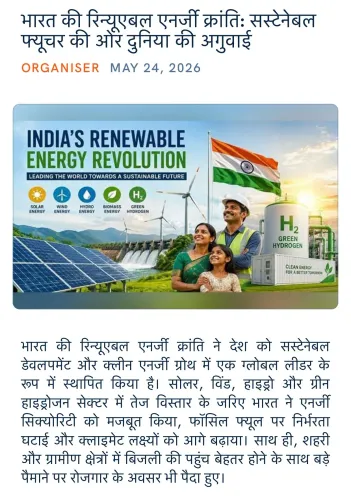
Addressing sessions at SIEW 2026, Naik highlighted that India's total installed electricity capacity stood at 558.9 GW as of 30 September 2026, with approximately 308 GW — or 55% — sourced from non-fossil fuels. Notably, India achieved the 50% non-fossil installed capacity milestone in June 2025, a full five years ahead of its 2030 Nationally Determined Contribution (NDC) target, and is now targeting 500 GW of non-fossil capacity by 2030.
Under the PM Surya Ghar Muft Bijli Yojana, around 53 lakh rooftop solar systems have been installed, benefiting approximately 63 lakh households. Under PM-KUSUM, nearly 12 lakh standalone solar pumps have been installed and more than 17 lakh grid-connected agricultural pumps solarised, adding about 16.7 GW of decentralised renewable capacity and benefiting around 30 lakh farmers.
With cross-border interconnection talks gaining traction and Singapore's investment interest confirmed at the ministerial level, India's energy diplomacy in Southeast Asia is entering a more concrete phase.
Point of View
Regulatory, and geopolitical hurdles that have stalled similar India-neighbourhood power-trade initiatives in the past. The Bhutan hydropower updates offer a more grounded progress marker — steady dam construction and cross-border transmission planning to 2040 show that India's energy diplomacy with neighbours can move from headline to hardware.
NationPress
28 Oct 2026
Frequently Asked Questions
What did India and Singapore agree on at SIEW 2026?
India and Singapore discussed deepening energy cooperation under the India-Singapore Comprehensive Strategic Partnership at SIEW 2026 on 28 October 2026. Key topics included a proposed cross-border electricity interconnection and Singaporean investment in India's transmission, pumped storage, battery storage, and renewable energy sectors.
What is the current status of India's renewable energy capacity?
India's total installed electricity capacity stood at 558.9 GW as of 30 September 2026, with about 308 GW (55%) from non-fossil sources. India achieved the 50% non-fossil milestone in June 2025, five years ahead of its 2030 NDC target, and is now targeting 500 GW of non-fossil capacity by 2030.
What is the Punatsangchhu hydroelectric project update?
Ministers from India and Bhutan reviewed progress on the 1,200 MW Punatsangchhu-I Hydroelectric Project, where dam construction has advanced since concreting resumed in April 2026. The 1,020 MW Punatsangchhu-II project was noted as operating satisfactorily, with cross-border transmission planning discussed up to 2040.
What role do IRENA and IEA play in India's energy agenda?
Minister Naik met IRENA Director-General Francesco La Camera to discuss affordable renewable finance, green hydrogen, and capacity building in the ASEAN region under the Strategic Partnership Agreement. He also met IEA Executive Director Fatih Birol to welcome upcoming India-focused reports on renewable energy markets and critical minerals.
How many households have benefited from India's solar schemes?
Under PM Surya Ghar Muft Bijli Yojana, around 53 lakh rooftop solar systems have been installed, benefiting approximately 63 lakh households. Under PM-KUSUM, nearly 12 lakh standalone solar pumps and over 17 lakh solarised grid-connected agricultural pumps have been deployed, adding 16.7 GW of decentralised capacity and benefiting around 30 lakh farmers.