India-Slovenia talks on science, research and education cooperation
Synopsis
India's ambassador to Slovenia sat down with the country's Education Minister on 17 September to explore science and research collaboration — the latest in a string of high-level meetings that include EAM Jaishankar's personal congratulatory letter to Slovenia's foreign minister. The push signals New Delhi's quiet but deliberate courtship of EU member states through academic and knowledge partnerships.
Key Takeaways
Ambassador Amit Narang met Dr.
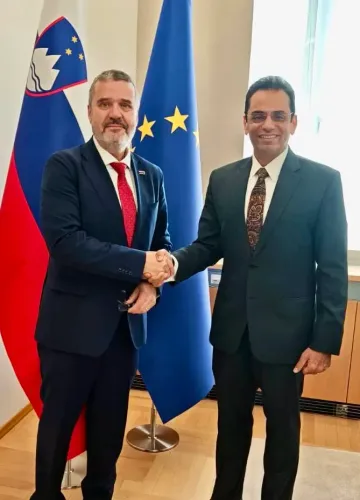
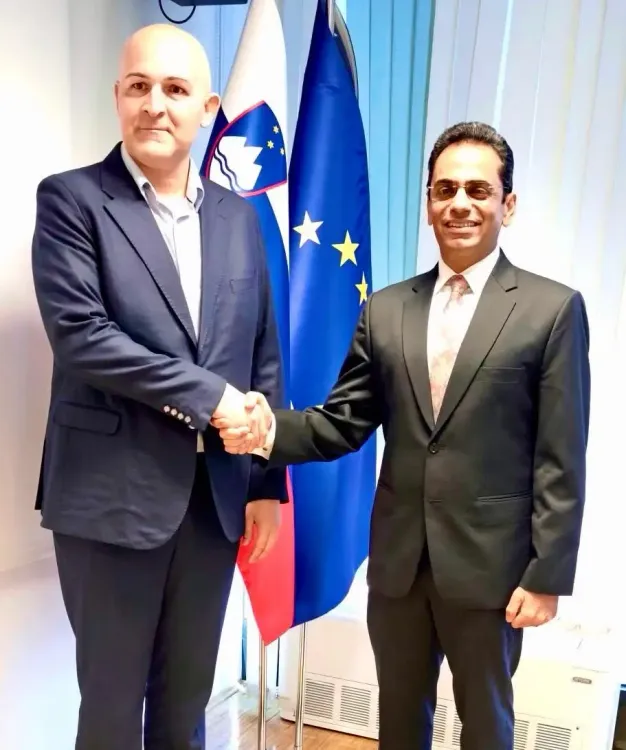
Borut Roncevic , Slovenia's Minister of Education, Science and Youth , in Ljubljana on 17 September 2026 .
Discussions focused on bilateral cooperation in science, research, and education .
In July , Narang also met Slovenia's Foreign Minister Tone Kajzer and delivered a personal letter from EAM S.
EAM Jaishankar had congratulated Kajzer on his appointment in June and signalled intent to deepen ties.
No formal agreements were announced; both sides indicated willingness to pursue structured partnerships going forward.
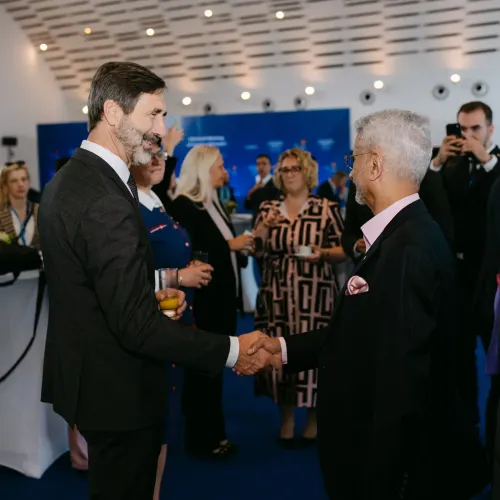
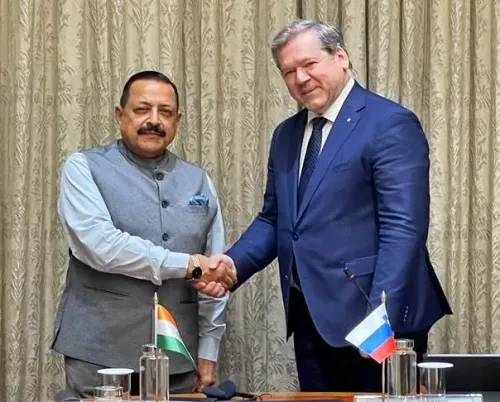
Ambassador of India to Slovenia, Amit Narang, on Thursday, 17 September 2026, met Dr. Borut Roncevic, Minister of Education, Science and Youth of Slovenia, in Ljubljana for discussions on expanding bilateral cooperation in science, research, and education. The meeting marks the latest in a series of high-level diplomatic engagements aimed at deepening ties between the two nations.
What Was Discussed
The Embassy of India in Slovenia confirmed that the meeting offered an opportunity to explore 'the strong potential for further bilateral cooperation between India and Slovenia in the fields of science, research and education.' Both sides reportedly acknowledged a shared commitment to knowledge, innovation, and academic excellence.
The Embassy further stated: 'India and Slovenia share a strong commitment to knowledge, innovation and excellence in education and research. We look forward to deepening our cooperation and building meaningful partnerships that contribute to shared progress and mutual benefit.'
Broader Diplomatic Context
The education-focused engagement is part of a broader diplomatic momentum between New Delhi and Ljubljana. In July, Ambassador Narang called on Tone Kajzer, Minister of Foreign and European Affairs of Slovenia, and handed over a personal congratulatory letter from External Affairs Minister (EAM) S. Jaishankar to the Slovenian foreign minister. The Embassy described those discussions as 'productive and wide-ranging,' focused on 'specific steps to elevate the warm and friendly ties between India and Slovenia into a mutually beneficial partnership for the future.'
Earlier, in June, EAM Jaishankar had congratulated Kajzer on his appointment as Foreign Minister and expressed his intent to work together, signalling an early interest in building stronger bilateral relations.
India's Outreach in Central and Eastern Europe
India's diplomatic engagement with Slovenia fits into a wider push to strengthen ties with Central and Eastern European nations — a region that has seen growing interest from New Delhi as it diversifies its international partnerships. Academic and scientific collaboration is increasingly seen as a low-friction entry point for deeper economic and strategic ties.
Notably, Slovenia is a member of the European Union, making any knowledge-partnership framework potentially relevant to India's broader engagement with EU institutions. With the India-EU Technology and Trade Council gaining traction, bilateral science-and-research agreements with EU member states carry strategic weight beyond their stated academic scope.
What Comes Next
No formal agreements or memoranda of understanding were announced following the 17 September meeting. However, both sides have indicated a willingness to pursue 'meaningful partnerships,' suggesting formal frameworks could follow in the coming months. Observers will watch whether Thursday's discussions translate into structured academic exchange programmes or joint research funding mechanisms.
Point of View
But its significance lies in the pattern it represents. India has been methodically engaging EU member states — including smaller ones like Slovenia — through low-friction entry points such as education and research. With the India-EU relationship at an inflection point, these bilateral micro-engagements accumulate into strategic weight. The absence of any announced agreement after a series of meetings, however, raises the question of whether the momentum is being converted into tangible frameworks or remains at the level of goodwill.
NationPress
17 Sept 2026
Frequently Asked Questions
What did India and Slovenia discuss in the 17 September 2026 meeting?
Ambassador Amit Narang and Slovenia's Education Minister Dr. Borut Roncevic met in Ljubljana on 17 September 2026 to discuss cooperation in science, research, and education. Both sides expressed commitment to building meaningful academic and innovation partnerships.
Who is Ambassador Amit Narang?
Amit Narang is India's Ambassador to Slovenia, based in Ljubljana. He has been actively engaged in bilateral diplomacy, meeting both Slovenia's Education Minister and its Foreign Minister in 2026 to advance India-Slovenia ties.
What earlier diplomatic contacts have India and Slovenia had in 2026?
In July 2026, Ambassador Narang met Foreign Minister Tone Kajzer and delivered a personal congratulatory letter from EAM S. Jaishankar. Before that, in June, Jaishankar had publicly congratulated Kajzer on his appointment and expressed a desire to work together.
Why does India's engagement with Slovenia matter?
Slovenia is an EU member state, so bilateral science and research agreements can serve as a building block for India's broader engagement with European institutions. India has been increasingly cultivating ties with Central and Eastern European nations as part of a wider diplomatic diversification strategy.
Were any agreements signed after the 17 September meeting?
No formal agreements or memoranda of understanding were announced following the meeting. Both sides indicated a willingness to deepen cooperation, with structured frameworks likely to be worked out in subsequent engagements.