Is India Set to Achieve Its 500 GW Non-Fossil Power Goal by 2030?
Synopsis
India is making significant strides toward its 500 GW non-fossil power capacity goal by 2030. With a combination of solar, wind, and nuclear energy, the country is poised to exceed expectations in renewable energy generation. Discover how India plans to lead in clean energy and the implications for its future.
Key Takeaways
India's goal: Achieve 500 GW of non-fossil power by 2030.
Current capacity: Approximately 260 GW of renewable energy.
Major contributors: Solar power expected to lead with 160 GW.
Wind and nuclear: 30 GW from wind, 8-10 GW from nuclear by 2030.
Data center impact: Increased demand may push total capacity beyond 500 GW.
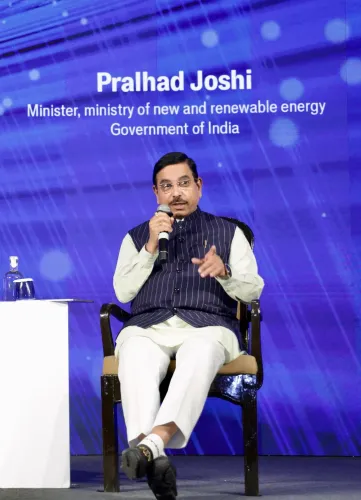
New Delhi, Jan 5 (NationPress) India is progressing toward its bold goal of 500 gigawatts (GW) of non-fossil fuel power capacity by 2030, according to a senior government official. The country currently boasts approximately 260 GW of non-fossil fuel capacity, as stated by Santosh Sarangi, Secretary at the Ministry of New and Renewable Energy (MNRE), during an interview with NDTV Profit.
This indicates that India must add around 240 GW in the coming years, a target Sarangi believes is well within reach.
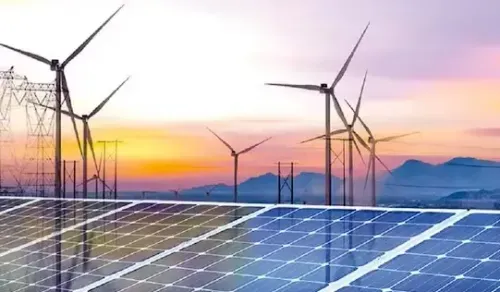
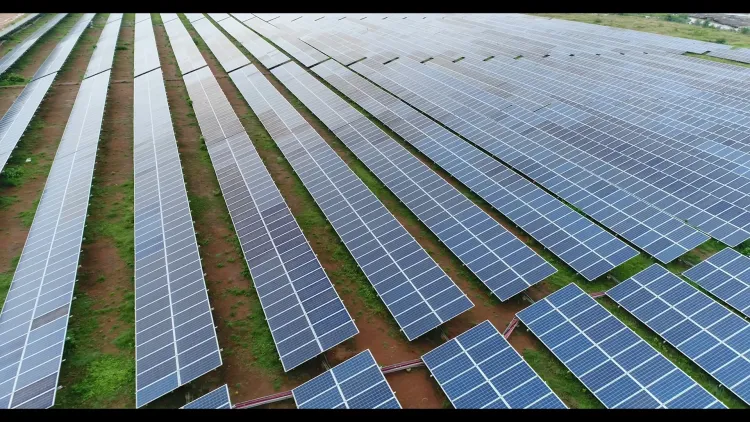
He highlighted that solar energy will constitute the majority of new capacity, with nearly 160 GW expected to come from this source.
“Wind energy is anticipated to contribute around 30 GW, while the remainder will derive from a combination of small and large hydroelectric projects and nuclear power. Nuclear energy is projected to account for about 8 to 10 GW by 2030,” he noted.
“If large-scale data center projects proceed as planned, India might even surpass the 500 GW target,” Sarangi remarked.
He pointed out that the electricity demand from data centers is escalating quickly, and many carbon-intensive industries are looking to transition to cleaner energy as part of their decarbonization strategies.
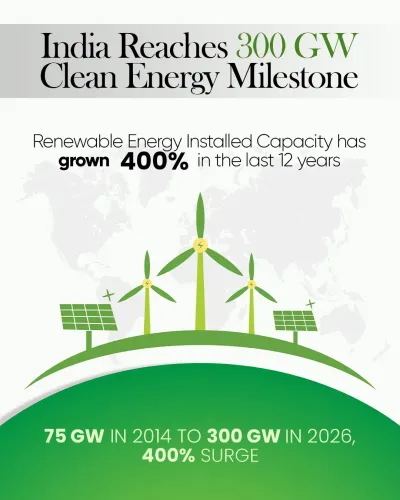
In an update last month, the government announced that India achieved its highest-ever renewable energy capacity addition in 2025 at 44.51 GW (up to November), nearly doubling the 24.72 GW added during the same timeframe last year.
The total renewable energy installed capacity reached 253.96 GW in November 2025, marking an increase of over 23 percent compared to the 205.52 GW in November 2024.
The Ministry of New and Renewable Energy reported on December 29 that the capacity addition reached 34.98 GW, compared to 20.85 GW during the same period last year.
Point of View
The commitment to achieving 500 GW of non-fossil power capacity by 2030 positions India as a leader in renewable energy. This ambitious target reflects the nation's dedication to sustainable development and combating climate change. As the government facilitates this transition, it not only supports energy security but also stimulates economic growth and innovation in the green sector.
NationPress
19 Sept 2026
Frequently Asked Questions
What is India's target for non-fossil fuel power by 2030?
India aims to achieve 500 gigawatts (GW) of non-fossil fuel power capacity by 2030.
How much non-fossil fuel capacity does India currently have?
India currently has around 260 GW of non-fossil fuel capacity.
What sources will contribute to the new power capacity?
The new capacity will mainly come from solar power, wind energy, small and large hydro projects, and nuclear power.
Can India exceed its 500 GW target?
Yes, if large-scale data center projects proceed as planned, India could surpass the 500 GW target.
What was the renewable energy capacity addition in 2025?
India achieved a record renewable energy capacity addition of 44.51 GW up to November 2025.