Is India Set to Enhance Its Refining Capacity, Biofuels, and Achieve 5 MMT Green Hydrogen Production by 2030?
Synopsis
India's ambitious plan to boost refining capacity, biofuel production, and green hydrogen generation is set to transform its energy landscape by 2030. With a focus on sustainable solutions and rural economic growth, this initiative promises significant environmental benefits and economic opportunities for India's youth.
Key Takeaways
India's refining capacity is set to increase to 309.5 MMTPA by 2030.
The government is focusing on green energy integration with traditional fuels.
Ambitious targets for biofuel production are being pursued.
5 MMT of green hydrogen is targeted annually by 2030.
Economic opportunities are being created for farmers and youth.
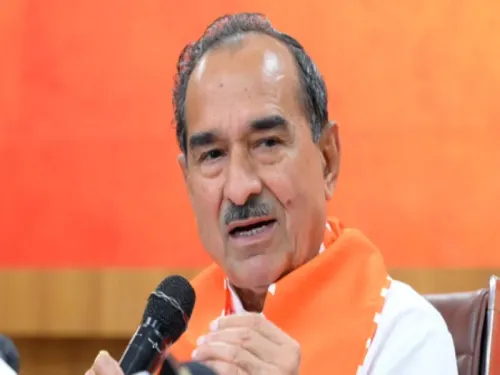
New Delhi/Jaipur, Dec 3 (NationPress) BJP Rajya Sabha MP Madan Rathore posed a significant inquiry in Parliament regarding India's energy trajectory, requesting comprehensive details about the expansion of the nation's refining and biofuel production capabilities.
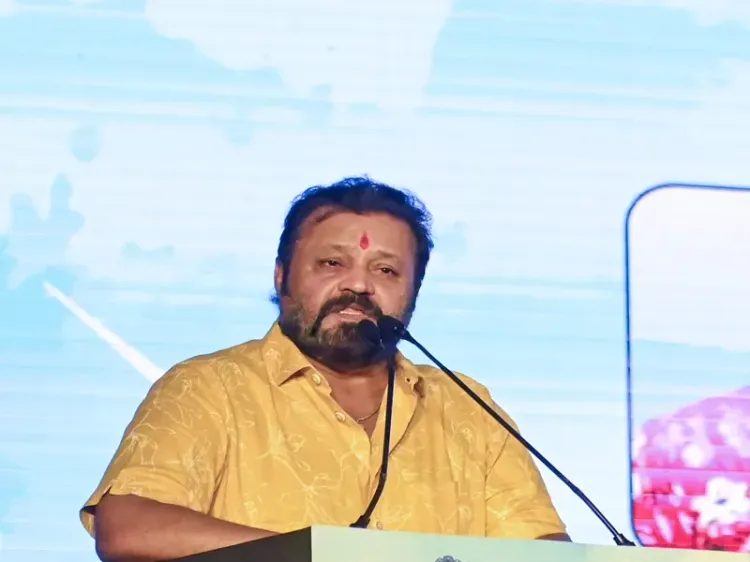
In response, Minister of State for Petroleum and Natural Gas Suresh Gopi informed the assembly that India's current refining capacity is at 258.1 million metric tonnes per annum (MMTPA) and is expected to rise to 309.5 MMTPA by 2030.
He elaborated that initiatives are in progress to boost the petrochemical intensity index of public sector refineries from 4.1 to around 9.3 in the coming years. This strategic move is anticipated to significantly elevate India's petrochemical production and enhance value addition in the sector, thereby fortifying the overall refining and petrochemical supply chain.
The Minister also emphasized that India is proactively incorporating green and sustainable energy solutions alongside traditional fuel systems to comprehensively address future energy demands.
A pivotal element in this transition is the ethanol blending initiative, targeting a 20 percent blend with petrol. To facilitate this, the government is broadening the availability of various feedstocks, which will not only lower crude oil imports but also provide farmers with enhanced income opportunities and foster a more resilient rural economy.
To boost biofuel production, programs such as the Pradhan Mantri Biofuel–Vatavaran Sanrakshan Fasal Avashesh Nivaran Yojana (PM-G1) are being executed.
This includes backing for advanced biofuels, affordable sustainable aviation fuel, and the extensive promotion of compressed biogas (CBG). Furthermore, infrastructure initiatives like biomass collection machinery and Direct Pipeline Infrastructure (DPI) are being introduced to enhance logistics, storage, and market connectivity.
Such endeavors are generating employment opportunities and igniting economic activity, especially in rural and semi-urban regions.
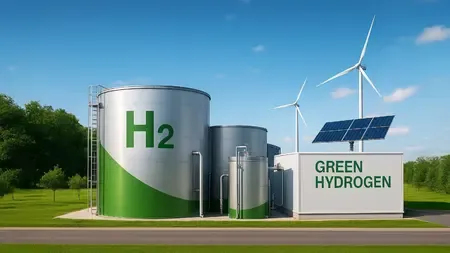
Highlighting another transformative initiative, the government's National Green Hydrogen Mission aims to generate 5 million metric tonnes of green hydrogen annually by 2030, marking a significant milestone in India's pursuit of energy autonomy and clean energy leadership.
Commenting on these developments, MP Madan Rathore stated that the widespread adoption of clean fuels would substantially reduce emissions in high-pollution sectors such as steel, cement, and transportation.
This transition, he remarked, will be crucial in guiding India towards a low-carbon future while fulfilling national environmental commitments and global climate responsibilities.
He concluded that India's movement towards a diversified, secure, and sustainable energy ecosystem will not only bolster the nation’s long-term energy security but also unlock extensive economic opportunities, particularly for the youth and emerging green-tech entrepreneurs.
Point of View
It is imperative to recognize India's significant strides towards a sustainable energy future. The government's initiatives reflect a commitment to environmental responsibility, economic growth, and energy security. This balanced approach ensures that the nation is well-positioned to meet its energy demands while also fostering economic opportunities for the populace.
NationPress
2 Oct 2026
Frequently Asked Questions
What is India's current refining capacity?
India's current refining capacity is 258.1 million metric tonnes per annum (MMTPA).
What is the target for green hydrogen production in India by 2030?
The target for green hydrogen production in India is 5 million metric tonnes annually by 2030.
How is India planning to enhance its biofuel production?
India is enhancing its biofuel production through initiatives such as the Pradhan Mantri Biofuel–Vatavaran Sanrakshan Fasal Avashesh Nivaran Yojana (PM-G1), which promotes advanced biofuels and compressed biogas.
What is the ethanol blending target in India?
India aims for a 20 percent blending of ethanol with petrol as part of its energy strategy.
How will these energy initiatives benefit the rural economy?
These initiatives will reduce crude oil imports, provide farmers with increased income opportunities, and stimulate economic activity in rural and semi-urban areas.