India's retail inflation at 4.38% in June; silver, gold prices surge
Synopsis
India's retail inflation climbed to 4.38% in June, driven by a staggering 133% surge in silver jewellery prices and a 50% spike in ginger costs. While still within the RBI's comfort zone, the central bank has already revised its FY27 inflation forecast upward to 5.1%, with Q3 projected to touch 5.9% — signalling the price pressure story is far from over.
Key Takeaways
India's CPI retail inflation rose to 4.38 per cent in June 2025 , up from 3.93 per cent in May, per Ministry of Statistics data released on 13 July .
Silver jewellery prices surged 133.21 per cent year-on-year; gold jewellery rose 36.82 per cent .
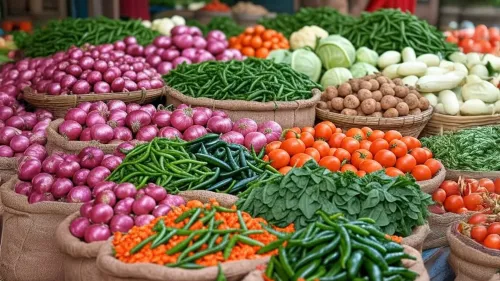
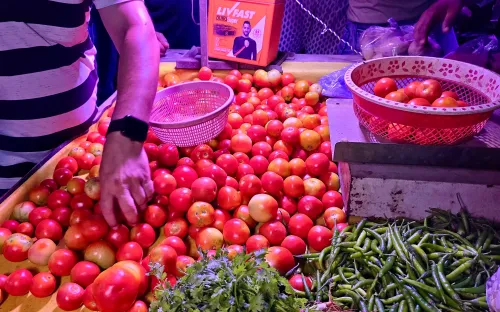
Food inflation stood at 5.32 per cent ; tomato (+31.82%) and ginger (+50.41%) led gains while potato (-20.34%) and peas (-9.67%) fell.
Car prices declined 6.89 per cent ; two-wheelers fell 3.49 per cent ; housing inflation was 2.10 per cent .
The RBI has revised its FY27 CPI inflation forecast to 5.1 per cent , up from 4.6 per cent , with Q3 FY27 projected at 5.9 per cent .
India's retail inflation, measured by the new Consumer Price Index (CPI) series, rose to 4.38 per cent in June 2025 on a year-on-year basis, according to data released by the Ministry of Statistics on Monday, 13 July. The figure marks a sequential uptick from 3.93 per cent in May, though it remains within the Reserve Bank of India's (RBI) comfort band of 2 to 6 per cent.
Precious Metals Drive Headline Inflation
Silver jewellery emerged as the single biggest inflation driver in June, with prices surging 133.21 per cent year-on-year — a figure that stands out even against the backdrop of elevated global commodity prices. Gold jewellery was not far behind, recording a 36.82 per cent jump. These sharp moves in precious metals reflect a combination of global safe-haven demand and sustained domestic buying, and their weight in the CPI basket amplified the headline print.
Food Inflation: A Mixed Plate
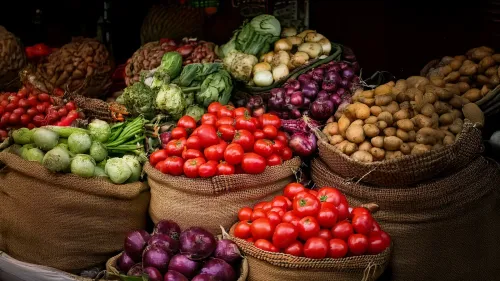
Overall food inflation in June came in at 5.32 per cent. The picture within the food basket was sharply divergent. Tomato prices spiked 31.82 per cent and ginger costs surged 50.41 per cent, sustaining the pattern of seasonal vegetable volatility that has repeatedly pressured Indian food indices. On the other side, potato prices fell 20.34 per cent and peas turned cheaper by 9.67 per cent, providing partial relief to household budgets.
Other Price Movements
Beyond food and precious metals, cars registered a 6.89 per cent decline in prices, while the two-wheeler segment saw a 3.49 per cent fall — suggesting continued competitive pricing pressure in the auto sector. The year-on-year housing inflation rate for June stood at 2.10 per cent, remaining subdued.
RBI's Inflation Outlook for FY27
The RBI has revised its headline CPI inflation projection for FY27 upward to 5.1 per cent, from an earlier estimate of 4.6 per cent. The quarterly trajectory is projected as: Q1 at 4.2 per cent, Q2 at 5.1 per cent, Q3 at 5.9 per cent, and Q4 at 5.4 per cent. According to the central bank, these revised projections reflect heightened risks from global supply chain disruptions and volatile commodity prices linked to geopolitical tensions in West Asia.
With inflation edging closer to the RBI's 4 per cent midpoint target, the trajectory in the second half of FY27 — particularly Q3's projected 5.9 per cent — will be closely watched by markets and policymakers alike.
Point of View
But the composition is worth scrutinising. A 133% spike in silver jewellery prices is an outlier that flatters the overall number — strip out precious metals and the food basket tells a more uncomfortable story, with ginger up 50% and tomatoes up nearly 32%. More consequentially, the RBI's own revised FY27 trajectory has Q3 at 5.9%, which would take inflation well above the midpoint target and could constrain any rate-cut room the central bank has been carefully preserving. Markets expecting easing in the second half of FY27 may need to recalibrate.
NationPress
12 Oct 2026
Frequently Asked Questions
What is India's retail inflation rate for June 2025?
India's retail inflation, based on the new CPI series, was recorded at 4.38 per cent in June 2025 on a year-on-year basis. This is up from 3.93 per cent in May 2025, according to data released by the Ministry of Statistics on 13 July.
Why did silver and gold prices spike in June's inflation data?
Silver jewellery prices surged 133.21 per cent and gold jewellery rose 36.82 per cent year-on-year in June 2025, making them the highest inflation contributors in the CPI basket. The spike reflects elevated global commodity prices and sustained domestic demand for precious metals.
How did food prices behave in June 2025?
Overall food inflation stood at 5.32 per cent in June 2025. Tomato prices rose 31.82 per cent and ginger surged 50.41 per cent, while potato prices fell 20.34 per cent and peas declined 9.67 per cent.
Is India's inflation within the RBI's target range?
Yes, the June 2025 CPI inflation of 4.38 per cent is within the RBI's tolerance band of 2 to 6 per cent, with a midpoint target of 4 per cent. However, the RBI has revised its FY27 headline inflation forecast upward to 5.1 per cent, citing global supply chain risks and geopolitical tensions in West Asia.
What is the RBI's inflation forecast for FY27?
The RBI has projected headline CPI inflation for FY27 at 5.1 per cent, revised upward from an earlier estimate of 4.6 per cent. The quarterly trajectory is: Q1 at 4.2 per cent, Q2 at 5.1 per cent, Q3 at 5.9 per cent, and Q4 at 5.4 per cent.