IRGC warns of no geographical limits in war with US, cites Khamenei order
Synopsis
Iran's IRGC has publicly declared there are 'no geographical limitations' in its war with the United States, citing a direct order from Supreme Leader Khamenei to commanders. With the US reportedly briefing Gulf states on a possible military campaign against Iran after midterm elections, the region is bracing for its most dangerous escalation in months.
Key Takeaways
IRGC spokesman Hossein Mohebbi declared on Sunday that Iranian forces have defined a vast battlefield and are prepared to strike the enemy anywhere, without geographical constraints.
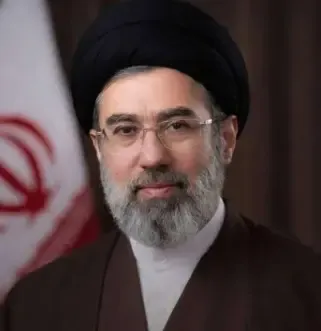
Supreme Leader Mojtaba Khamenei has ordered senior military commanders to respond 'immediately and effectively' to any threat, with no geographical limitations.
According to The Wall Street Journal , US President Donald Trump was briefed on Thursday on military options against Iran.
The US has reportedly informed several Gulf countries to prepare for a possible brief but intense military campaign against Iran after the US midterm elections.
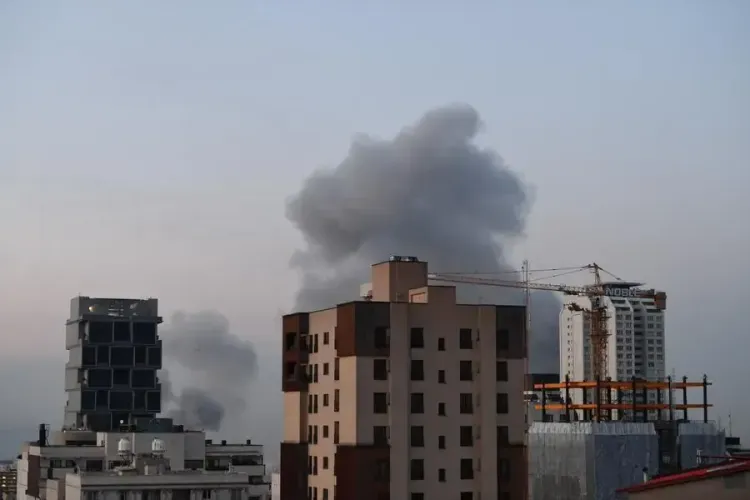
On 28 February , joint Israel-US strikes on Tehran triggered Iranian missile and drone retaliation and a tightening of Iran's hold over the Strait of Hormuz .
Iran's Islamic Revolution Guard Corps (IRGC) has declared that Iranian forces have mapped out a vast battlefield to inflict damage on the 'enemy' and achieve complete deterrence, with spokesman Hossein Mohebbi asserting that the corps is more prepared than ever to respond decisively to any threat.
What Mohebbi Said
Speaking at a conference in Iran's southeastern Kerman province on Sunday, Mohebbi stated that the IRGC has placed on its agenda the identification of new enemy targets and the planning of operations in new geographical regions. He pointed to recent orders from Supreme Leader Mojtaba Khamenei to senior military commanders, saying the leader's guidelines 'opened a new chapter of war.'
Mohebbi specifically highlighted Khamenei's emphasis that 'there is no geographical limitation in the war with the United States,' signalling a significant expansion in Iran's declared operational posture.
Khamenei's Standing Order
On Saturday, a statement attributed to Iran's supreme leader announced that senior commanders of the armed forces had been ordered to ensure that any level and kind of threat from 'enemies' must be met with an 'immediate and effective' response — and without geographical limitations. The directive effectively removes any implicit ceiling on where Iran's military could act in a future confrontation.
US Threats and Gulf Briefings
The IRGC's warnings come amid what Iranian officials describe as heightened US threats of military action against Iran. According to The Wall Street Journal (WSJ), US President Donald Trump was briefed on Thursday by top US military officials on options regarding Iran. The WSJ also reported that the United States had informed several Gulf countries to prepare for a possible brief but intense military campaign against Iran following the US midterm elections.
Regional Context: Escalation Since February
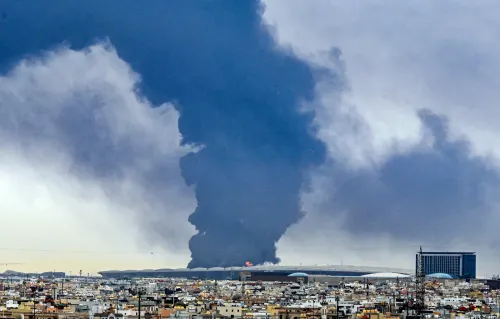
This is not the first time the region has been tested. On 28 February, Israel and the United States reportedly launched joint attacks on Tehran and other Iranian cities. Iran responded with waves of missile and drone attacks targeting Israel and US bases and assets across the region, and also reportedly tightened its grip on the Strait of Hormuz — a critical global oil chokepoint through which roughly 20% of the world's oil supply transits.
With both sides escalating their stated postures and the possibility of US military action reportedly being actively planned, the region appears to be entering one of its most volatile stretches in years. How the next provocation — real or perceived — is handled could determine whether the confrontation escalates beyond rhetoric.
Point of View
Suggesting Tehran wants Washington to hear it. That transparency is itself a message. Meanwhile, the WSJ's reporting that Gulf states are being prepared for a US campaign introduces a new pressure point — if true, it means Iran's neighbours are being asked to choose sides in a conflict that could destabilise energy markets and regional security simultaneously. The Strait of Hormuz variable makes this more than a bilateral standoff.
NationPress
2 Nov 2026
Frequently Asked Questions
What did Iran's IRGC spokesman say about war with the United States?
IRGC spokesman Hossein Mohebbi said on Sunday that Iranian forces have identified a vast battlefield with no geographical limitations for striking the enemy. He cited Supreme Leader Khamenei's recent orders to military commanders as having 'opened a new chapter of war.'
What order did Supreme Leader Khamenei give to Iran's military?
According to a statement released on Saturday, Khamenei ordered senior commanders of Iran's armed forces to ensure that any threat from enemies — at any level — is met with an 'immediate and effective' response, explicitly without geographical limitations.
Is the United States planning military action against Iran?
According to The Wall Street Journal, US President Donald Trump was briefed on Thursday by top military officials on options regarding Iran. The WSJ also reported that the US has informed several Gulf countries to prepare for a possible brief but intense military campaign against Iran after the US midterm elections.
What triggered the current escalation between Iran and the United States?
Tensions have been building since 28 February, when Israel and the United States reportedly launched joint strikes on Tehran and other Iranian cities. Iran responded with missile and drone attacks on Israeli and US targets and tightened control over the Strait of Hormuz.
Why does the Strait of Hormuz matter in this context?
The Strait of Hormuz is a critical global oil chokepoint through which a significant share of the world's oil supply transits. Iran's grip on the strait gives it leverage to disrupt global energy markets, making any military escalation there consequential far beyond the immediate region.