Iran's Khamenei orders 'immediate, effective' response to any enemy threat
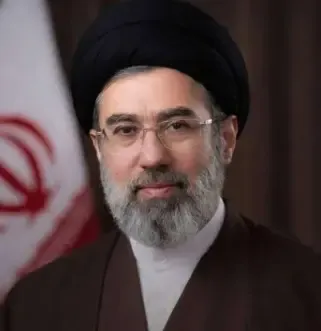
Synopsis
Iran's Supreme Leader Khamenei has told his top generals that no enemy threat — anywhere — will go unanswered, explicitly targeting 'tangible and intangible' US-Israeli assets. The directive lands days after reports that Washington briefed Gulf states on a post-midterm military campaign against Tehran, and months after a major joint Israeli-American strike on Iranian cities triggered missile and drone retaliation and an Iranian chokehold on the Strait of Hormuz.
Key Takeaways
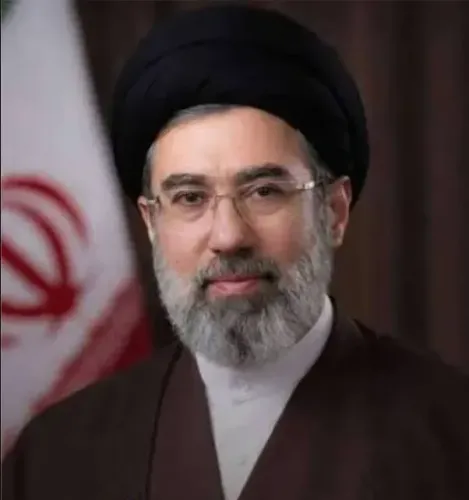
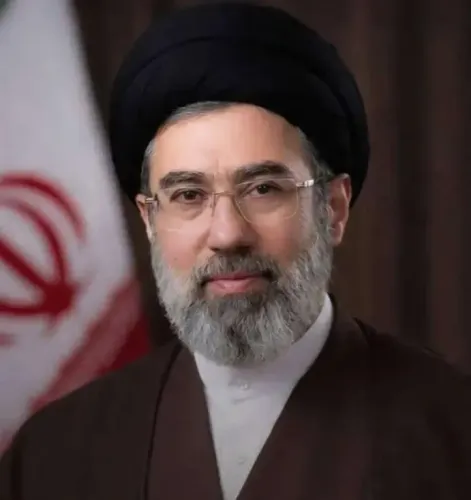
Supreme Leader Mojtaba Khamenei on 31 October 2026 ordered Iran's armed forces to deliver an 'immediate and effective' response to any enemy threat, with no geographical restrictions .
Khamenei directed that Iran's target bank be updated to bring 'tangible and intangible assets of the US-Israeli enemy' within the IRGC's reach.
Senior commanders including IRGC chief Ahmad Vahidi briefed the Supreme Leader on a 'manifold rise' in ammunition and weapons production.
The Wall Street Journal reported this week that the US has briefed Gulf states on a potential 'brief but intense' military campaign against Iran following the US midterm elections.
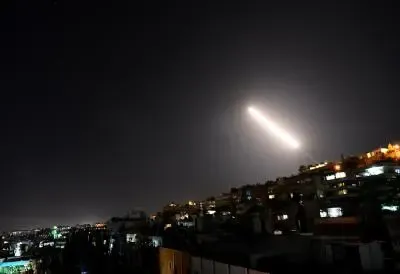
On 28 February , the US and Israel reportedly struck Tehran and other Iranian cities; Iran retaliated with missiles and drones and tightened control of the Strait of Hormuz .
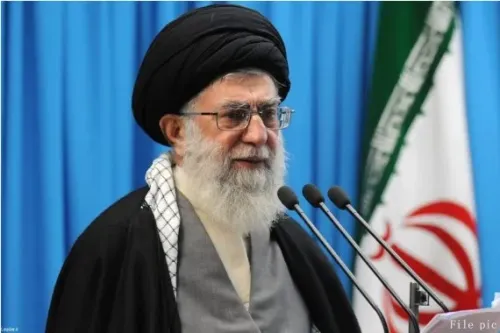
Iran's Supreme Leader Mojtaba Khamenei on Saturday, 31 October 2026, ordered the country's armed forces to respond to any threat from what he called the 'enemies' with an 'immediate and effective' counteraction, with no geographical limitations, according to a statement published on the Supreme Leader's official website. The directive, issued at a meeting with Iran's top military commanders in Tehran, signals a sharp escalation in the Islamic Republic's declared war posture amid heightened regional tensions.
What Khamenei Said
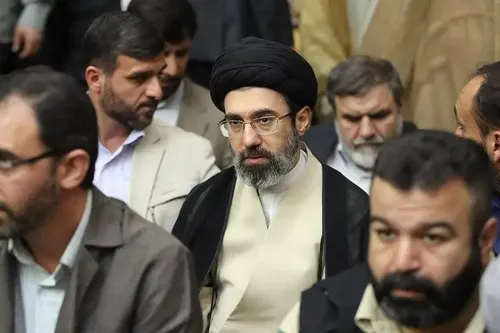
Speaking to a gathering that included Chief of Staff of the Armed Forces Ali Abdollahi, Army Chief Commander Amir Hatami, and Commander-in-Chief of the Islamic Revolution Guard Corps (IRGC) Ahmad Vahidi, Khamenei stressed that should 'enemies' resume military or terrorist attacks against Iran, the country's armed forces and people would determine 'the time and conditions for the war's end.'
He also called for strengthening Iran's 'military intelligence architecture,' deepening 'home-grown defence in terms of doctrine and tactics,' and advancing 'modern defence and security capabilities using cutting-edge technologies.'
Critically, Khamenei ordered that Iran's bank of targets be updated so that 'various tangible and intangible assets of the US-Israeli enemy are brought within the Iranian armed forces' reach.' The explicit naming of the United States and Israel as a combined adversary marks one of his most direct public warnings in recent months.
Military Readiness Briefing
At the same meeting, senior military commanders briefed the Supreme Leader on the armed forces' state of readiness and reported a 'manifold rise' in the production of ammunition, as well as reconnaissance, support, and combat weaponry, according to the statement. The briefing underscores Iran's effort to rebuild and expand its military capacity following recent hostilities.
Context: US Threat Reports and Regional Escalation
Khamenei's remarks come against the backdrop of a report in The Wall Street Journal on Wednesday, citing sources briefed on the discussions, that the United States has told several Gulf countries to prepare for a 'brief but intense' military campaign against Iran following the US midterm elections. The US and Israel are also reportedly preparing for another round of intense military operations against Tehran, according to that report.
This comes amid an already volatile backdrop: on 28 February, Israel and the United States reportedly launched joint strikes on Tehran and other Iranian cities. Iran responded with waves of missile and drone attacks targeting Israel and US bases and assets across the region, and tightened its grip on the Strait of Hormuz — a chokepoint through which a significant share of global oil trade passes.
What This Means for the Region
Khamenei's 'no geographical limitations' formulation is significant: it signals that Iran reserves the right to strike targets beyond its immediate neighbourhood, potentially drawing in US bases across the Middle East and Gulf. The directive to update Iran's target bank to include 'intangible assets' — a phrase that analysts read as covering financial infrastructure, satellites, and cyber targets — suggests Tehran is expanding the domain of its deterrence posture beyond conventional military hardware.
With US midterm elections now concluded and Gulf states reportedly on alert, the window for another escalation cycle appears to be narrowing. How Washington and Tel Aviv respond to Khamenei's latest directive is likely to define the trajectory of the conflict in the weeks ahead.
Point of View
Tehran is telegraphing a cyber and financial escalation track alongside kinetic options, which raises the conflict's complexity well beyond a conventional exchange. The Wall Street Journal's report of US briefings to Gulf states, if accurate, suggests Washington is also in a signalling mode pre-escalation rather than restraint mode — a dangerous symmetry. What mainstream coverage underweights is the Strait of Hormuz variable: every time Tehran tightens that grip, it applies pressure not just on Israel or the US but on global oil markets and Asian import-dependent economies including India. New Delhi, which maintains cautious ties with both Tehran and Washington, faces a rapidly shrinking room for strategic ambiguity.
NationPress
31 Oct 2026
Frequently Asked Questions
What did Iran's Supreme Leader Khamenei order on 31 October 2026?
Khamenei ordered Iran's armed forces to respond to any threat from 'enemies' with an 'immediate and effective' counteraction, with no geographical limitations. He also directed that Iran's target bank be updated to bring US-Israeli assets within the IRGC's striking range.
Who attended the military meeting with Khamenei?
The meeting included Chief of Staff of the Armed Forces Ali Abdollahi, Army Chief Commander Amir Hatami, and IRGC Commander-in-Chief Ahmad Vahidi. They briefed the Supreme Leader on military readiness and a reported sharp increase in weapons and ammunition production.
Why are US-Iran tensions escalating right now?
Tensions have intensified following reports that the United States briefed Gulf states about a possible military campaign against Iran after the US midterm elections. This follows a major joint Israeli-American strike on Tehran and other Iranian cities on 28 February, which Iran answered with missile and drone attacks and a tightened hold on the Strait of Hormuz.
What is the significance of 'no geographical limitations' in Khamenei's order?
The phrase signals that Iran reserves the right to strike targets anywhere — beyond its immediate region — if it perceives a military or terrorist attack. This broadens Iran's declared deterrence posture to potentially include US bases across the Gulf, Middle East, and beyond.
How does the Strait of Hormuz factor into this standoff?
Iran tightened its grip on the Strait of Hormuz following the earlier round of hostilities, a move that restricts a major artery for global oil trade. Any renewed escalation risks further disruption to energy flows, with direct consequences for oil-importing nations including India.