Mojtaba Khamenei Appointed as Iran’s New Supreme Leader Following His Father's Death
Synopsis
In a significant shift in leadership, Mojtaba Khamenei has been appointed as Iran's Supreme Leader by the Assembly of Experts. This development follows the recent death of his father, Ayatollah Ali Khamenei, amid escalating tensions in the region.
Key Takeaways
Mojtaba Khamenei has been appointed as Iran’s new Supreme Leader.
This appointment follows the death of his father, Ayatollah Ali Khamenei .
The move raises questions about the regime's adherence to its anti-monarchical principles.
The IRGC has been reported to influence this leadership selection.
Mojtaba is seen as a significant power broker within Iran’s political structure.
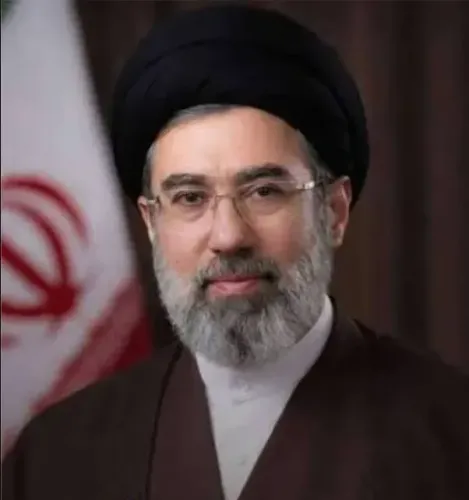
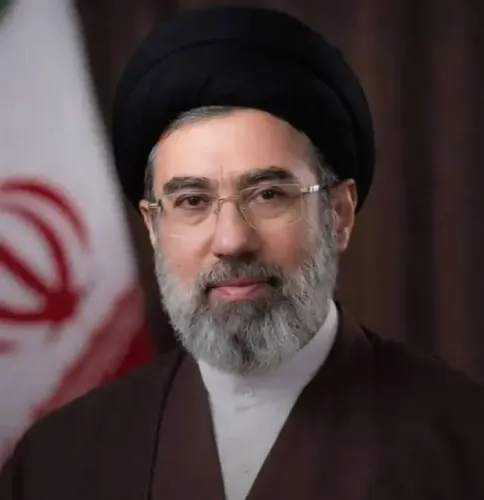
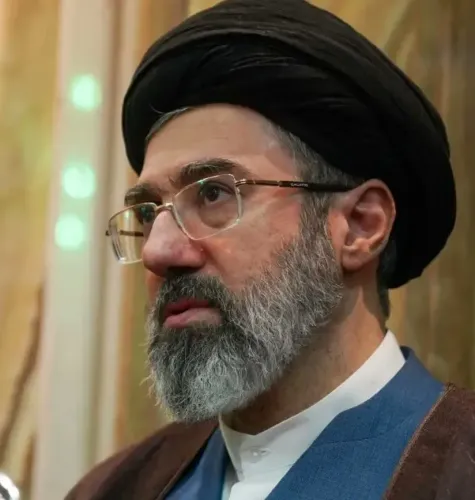
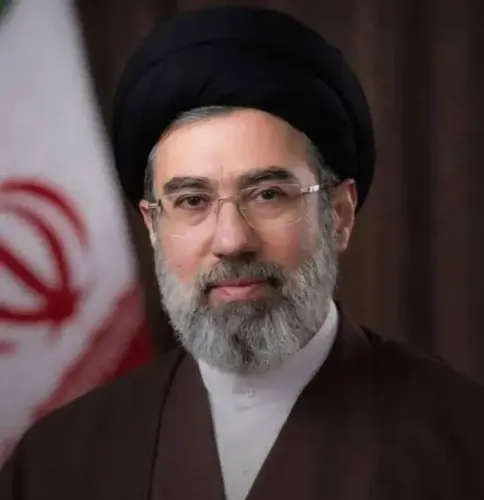
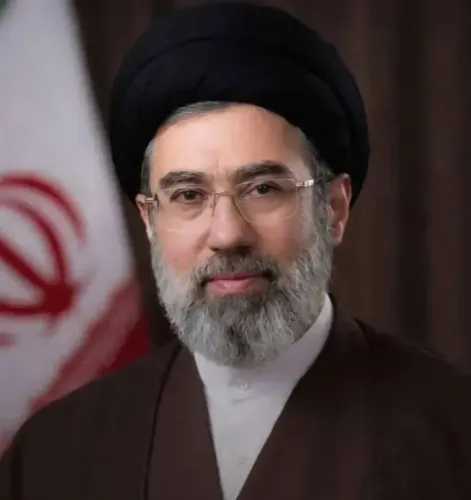
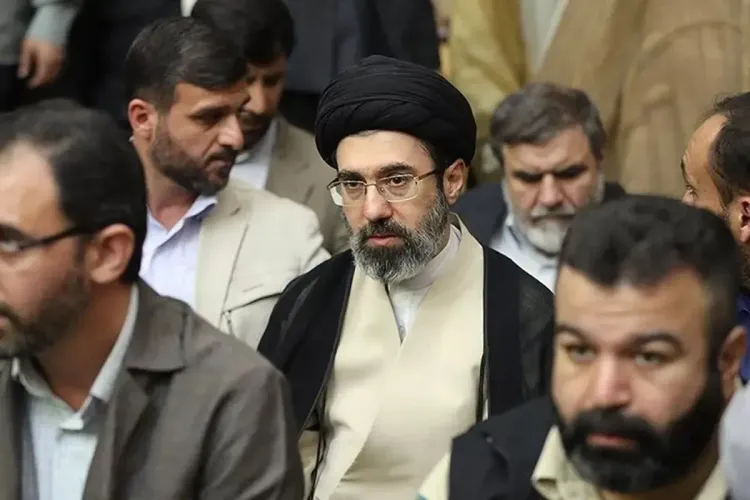
Tehran, March 4 (NationPress) - Mojtaba Khamenei, the offspring of the late Ayatollah Ali Khamenei, has been appointed as the new Supreme Leader of Iran by the nation’s Assembly of Experts, as reported by various media outlets.
“The Assembly of Experts has chosen Mojtaba Khamenei as the successor to the Supreme Leader,” Iran International disclosed, referencing well-informed insiders.
Mojtaba, aged 56, has been designated to assume the top leadership role in the country.
As the second eldest son of Ali Khamenei, he has long been viewed by analysts and observers as a potential successor within the clerical hierarchy of Iran.
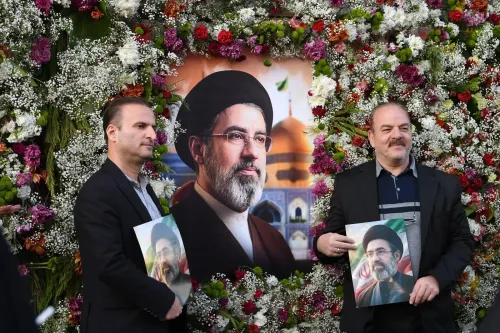
The announcement of his ascension to the highest office in the Islamic Republic comes with heightened political sensitivity, especially in light of his father's death during a series of joint US-Israeli military strikes that have escalated into wider armed conflicts in the Middle East.
The Islamic Republic has historically positioned itself as an ideological alternative to dynastic rule and has voiced criticism against hereditary leadership. Consequently, a transition of power from father to son may invite scrutiny and raise questions regarding the regime's adherence to its professed principles.
Iran International has also alleged that the Islamic Revolutionary Guard Corps (IRGC) applied considerable pressure on the clerical assembly to endorse Mojtaba’s leadership.
“The IRGC significantly influenced the clerics present to appoint Mojtaba as the new leader of the regime,” reported the outlet.
The Supreme Leader stands at the pinnacle of Iran’s complex power structure, holding ultimate authority over governmental matters. This role includes serving as the commander-in-chief of the armed forces and supervising the influential Revolutionary Guard, which was designated a terrorist organization by the United States in 2019.
During Ali Khamenei's era, the Guard vastly expanded its influence over Iran’s political, military, and economic sectors.
It is reported that Mojtaba has close relationships with the Revolutionary Guard and is believed to wield significant influence behind the scenes.
He is recognized as having effectively managed the Office of the Supreme Leader and has long been perceived by analysts as a key power broker within Iran’s political landscape.
Mojtaba is characterized as a mid-ranking cleric who participated in Iran’s armed forces during the Iran-Iraq war.
Over the years, he has been widely regarded as maintaining strong ties with the IRGC, which has further solidified his position within the country's power structure.
Point of View
The appointment of Mojtaba Khamenei as Iran's Supreme Leader marks a critical juncture in the nation's governance. This transition, occurring amid geopolitical tensions, warrants a closer examination of its implications for Iran's political stability and future direction.
NationPress
30 Sept 2026
Frequently Asked Questions
Who is Mojtaba Khamenei?
Mojtaba Khamenei is the son of the late Ayatollah Ali Khamenei and has been appointed as Iran’s new Supreme Leader by the Assembly of Experts.
What position does the Supreme Leader hold in Iran?
The Supreme Leader is the highest authority in Iran, overseeing state affairs and serving as the commander-in-chief of the armed forces.
Why is Mojtaba's appointment significant?
His appointment is significant as it marks a transition from father to son in a system that traditionally criticizes dynastic rule, raising questions about the regime's principles.
What role did the IRGC play in Mojtaba's appointment?
The Islamic Revolutionary Guard Corps reportedly exerted considerable pressure on the clerical assembly to support Mojtaba's leadership.
How has Mojtaba Khamenei been viewed prior to his appointment?
Mojtaba has long been considered a potential successor within Iran's clerical establishment and has maintained strong ties with the Revolutionary Guard.