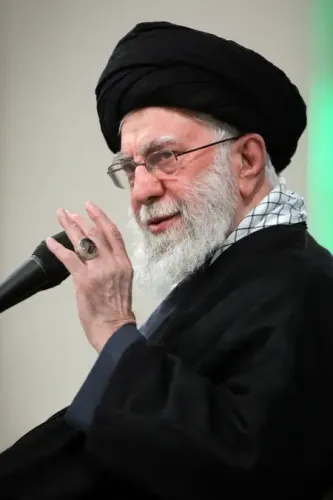
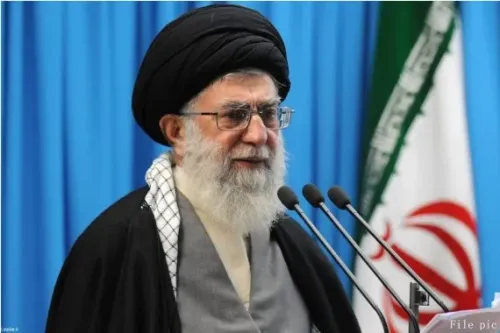
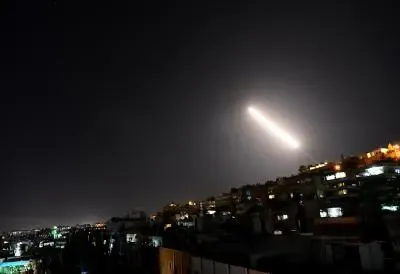
Assassination of Iran's Supreme Leader: A New Phase in US-Israeli Tensions
Synopsis
The assassination of Iran's Supreme Leader, Ayatollah Khamenei, by the US and Israel marks a dangerous escalation in ongoing hostilities. The Iranian diplomat's insights reveal a complex history of conflict and broken promises, raising concerns about the future of diplomatic relations in the Middle East.
Key Takeaways
The assassination of Khamenei marks a significant escalation.
It highlights the ongoing US-Israel-Iran conflict.
Iran has promised to respond to this act of terrorism.
The attack came during negotiations, indicating a breakdown of trust.
Global powers are closely monitoring the situation.
Mumbai, March 2 (NationPress) The assassination of Supreme Leader Ayatollah Ali Khamenei in a coordinated strike by the US and Israel represents the latest escalation in a long history of conflicts with Iran, as stated by an Iranian diplomat on Monday, who underscored the persistent grievances against both nations.
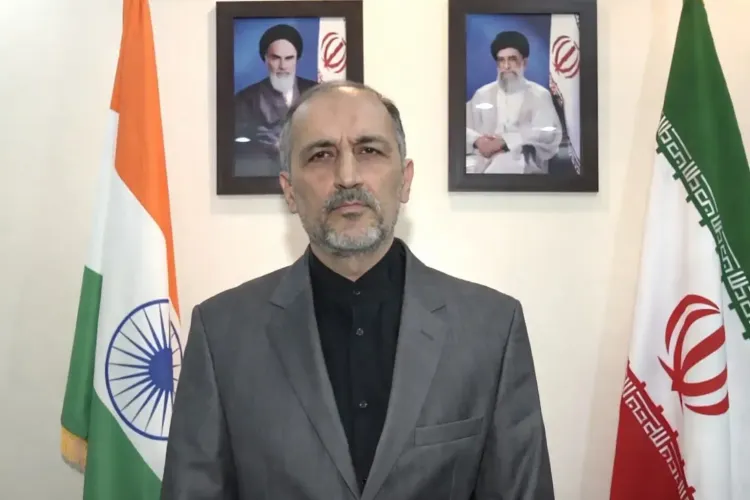
In an interview with IANS, Iran's Consul General in Mumbai, Saeid Reza Mosayeb Motlagh, remarked, "We have become accustomed to the targeted killings that have transpired over the years since the inception of the Revolution. This is not the first assassination orchestrated by Israel and the US, and certainly, it won't be the last."
He elaborated that such actions have been executed via agents and proxy forces within Iran or, more recently, through several direct killings openly acknowledged by the responsible parties.
"Regrettably, the acts of terrorism perpetrated in our nation by what we consider the terrorist regime of Israel and the United States are not new. This situation is not unprecedented, and we sincerely hope it will be the last," Motlagh conveyed.
Regarding the timing of the assault, he commented, "As we have seen before, the US and Israel executed this attack amid ongoing negotiations. Prior to this interview, I was reviewing statements from an Omani diplomat who repeatedly highlighted that all matters were settled and consensus was reached among all parties. However, similar to our past experiences, they (the US) reneged on their commitments. This pattern of broken promises has been consistent since the beginning."
The assassination of Iran’s Supreme Leader, Ayatollah Khamenei, signifies a serious escalation in a region already burdened with tension. Tehran has vowed to retaliate against what it terms a "blatant act of terrorism," while international powers remain vigilant, concerned about how this high-profile killing may alter the diplomatic and security landscape in the Middle East.
Point of View
The assassination of Ayatollah Khamenei is a pivotal moment that could redefine US-Iran relations and escalate tensions in the region. It is crucial to approach this event with a focus on its broader implications for peace and stability in the Middle East.
NationPress
26 Sept 2026
Frequently Asked Questions
What led to the assassination of Ayatollah Khamenei?
The assassination is seen as part of a long-standing conflict between Iran and both the US and Israel, characterized by a history of hostilities and targeted killings.
How has Iran responded to this act?
Iran has vowed to retaliate against what it describes as a 'blatant act of terrorism'.
What are the implications for US-Iran relations?
This assassination could escalate tensions and complicate diplomatic negotiations between the two countries.
What role do proxy forces play in these conflicts?
Proxy forces have historically been used by both Iran and its adversaries to carry out operations without direct involvement.
Is this the first assassination of an Iranian leader?
No, there have been multiple targeted killings and attempts since the Iranian Revolution.