Violent Protests in Karachi Leave Six Dead Following Khamenei's Assassination
Synopsis
In a tragic escalation of violence, six lives were lost and many were injured in Karachi as protests erupted following the assassination of Iran's Supreme Leader, Ayatollah Khamenei. Chaos unfolded outside the US Consulate as protesters clashed with police, raising tensions in the city.
Key Takeaways
Six fatalities reported amid protests in Karachi.
Protests were sparked by the killing of Ayatollah Khamenei .
Violence erupted outside the US Consulate .
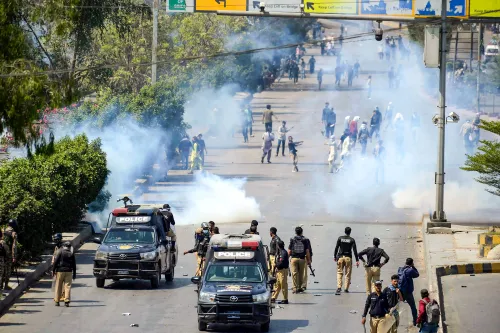
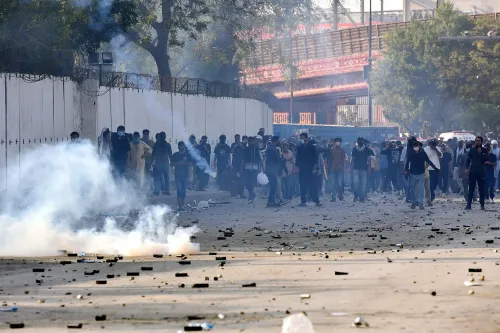
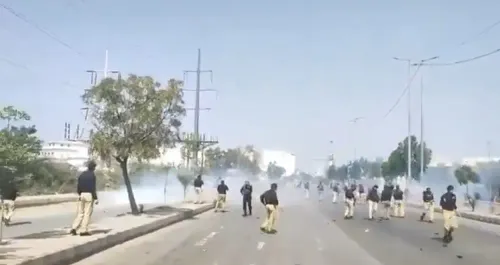
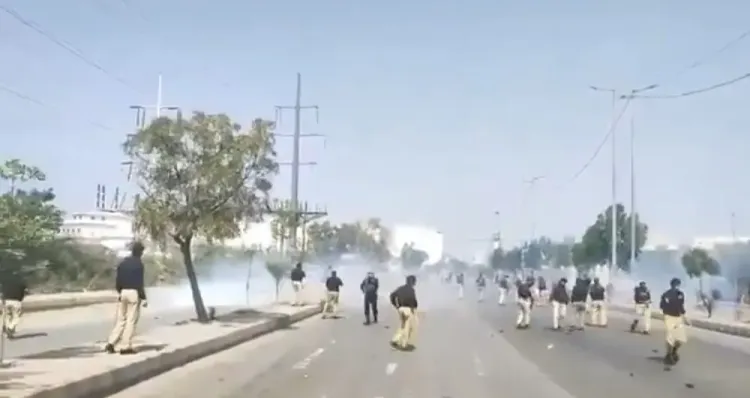
Police used tear gas and warning shots to control the situation.
Traffic disruptions reported in the vicinity.
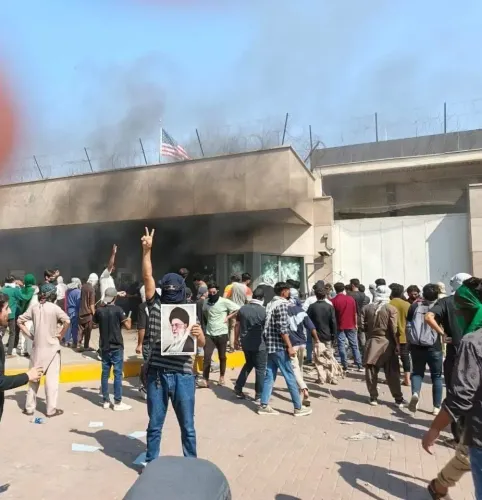
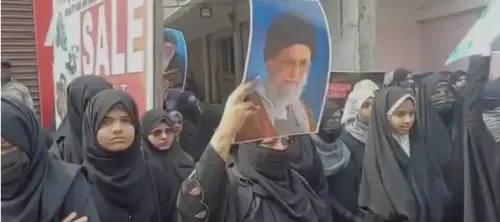
Karachi, March 1 (NationPress) - A tragic incident unfolded in Karachi on Sunday, resulting in the deaths of at least six individuals and numerous injuries. This violence erupted on MT Khan Road as members of the Shia community marched towards the US Consulate in response to the death of Iran's Supreme Leader, Ayatollah Ali Khamenei, due to US-Israeli airstrikes, according to local reports.
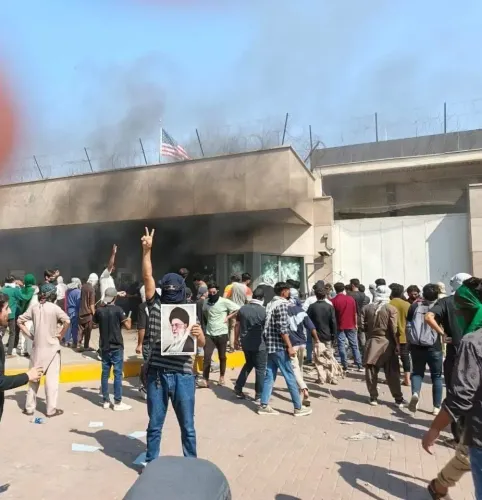
Social media footage depicted a scene of destruction as doors and windows were shattered, and fires ignited outside the consulate. Protesters clashed with security forces, resulting in significant property damage.
Demonstrators were observed breaking windows and attacking security positions with sticks, leading to a strong reaction from law enforcement.
The police responded with tear gas and warning shots to disperse the escalating crowd. The Edhi Rescue service confirmed that six fatalities occurred near the protest site as law enforcement attempted to regain control through tear gas and baton charges, reported the prominent Pakistani newspaper, The Express Tribune.
Injured individuals were transported to Civil Hospital Karachi for urgent medical care via Edhi ambulances.
The Sindh Home Minister, Ziaul Hassan Lanjar, has demanded an immediate report on the situation from Karachi’s Additional Inspector General of Police, Azad Khan, as stated by his office.
This unrest has also led to major traffic disruptions in the vicinity. Around 11 a.m., Karachi Traffic Police announced the closure of both sides of the road from Sultanabad Traffic Section to Mai Kolachi due to the protests, according to the daily Dawn.
Police surgeon Dr. Summaiya Syed confirmed to Dawn that six bodies were received at Civil Hospital Karachi.
Authorities are actively monitoring the situation as tensions remain elevated in the city following the impactful events surrounding the Iranian leader's death.
Khamenei’s death marks a significant turning point in the 46-year history of Shia theocratic governance, with Tehran's retaliation expected to spark further turmoil across the Middle East.
Point of View
It's imperative to report on the tragic losses and unrest in Karachi without bias. The violent reactions following Khamenei's assassination indicate a deep-seated tension that could escalate further, necessitating careful scrutiny and coverage.
NationPress
3 Oct 2026
Frequently Asked Questions
What triggered the protests in Karachi?
The protests were triggered by the assassination of Iran's Supreme Leader, Ayatollah Khamenei, by US-Israeli strikes.
How many casualties resulted from the clashes?
At least six people were killed, and numerous others were injured during the clashes.
What actions did the police take to control the protests?
The police resorted to tear gas and warning shots to disperse the crowd and restore order.
What has been the response from local authorities?
Sindh Home Minister Ziaul Hassan Lanjar has requested an immediate report on the situation from the Karachi Police.
How has traffic been affected due to the protests?
Both sides of MT Khan Road from Sultanabad Traffic Section to Mai Kolachi were closed due to the protests, causing significant traffic disruptions.