Mojtaba Khamenei Assumes Role as Iran's Supreme Leader Amid Escalating Tensions
Synopsis
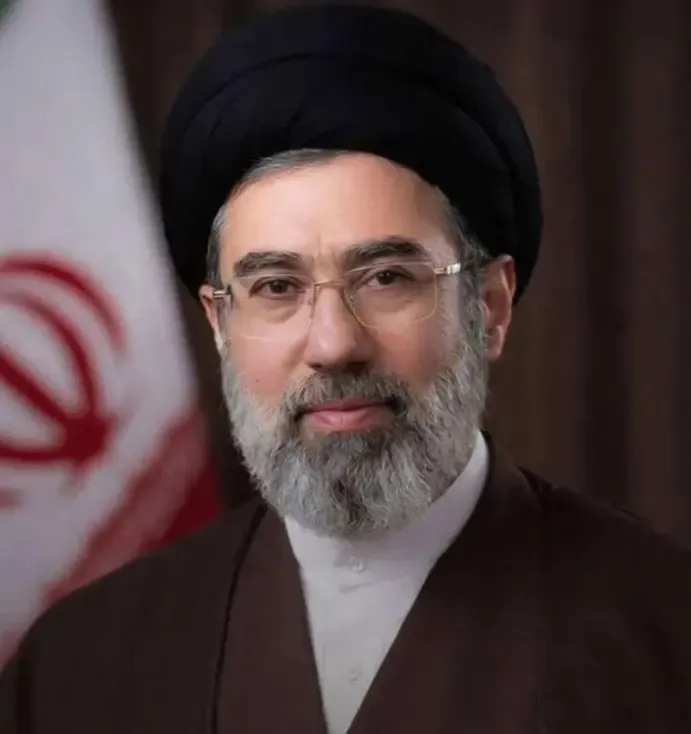
In a significant power shift, Mojtaba Khamenei has been appointed as Iran's Supreme Leader, succeeding his late father. This change comes amidst rising tensions with the U.S. and Israel, promising to heighten the conflict further.
Key Takeaways
Mojtaba Khamenei has been appointed as Iran's Supreme Leader.
This transition reinforces the dominance of hardliners in Tehran.
The leadership change occurs amid escalating tensions with the U.S. and Israel .
The Assembly of Experts confirmed the decision following Ali Khamenei's death.
Iranian officials indicate they will not capitulate despite U.S. pressure.
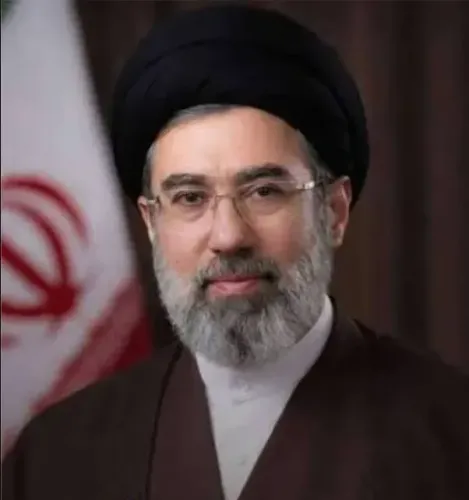
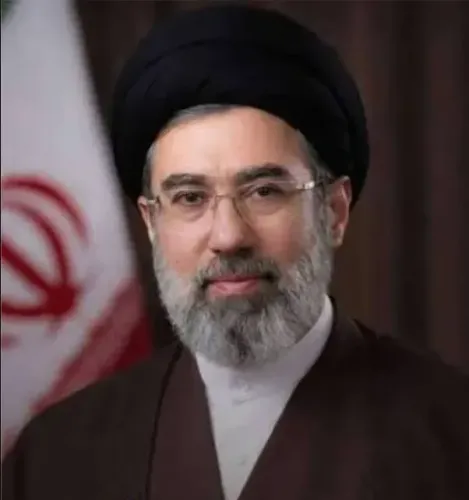
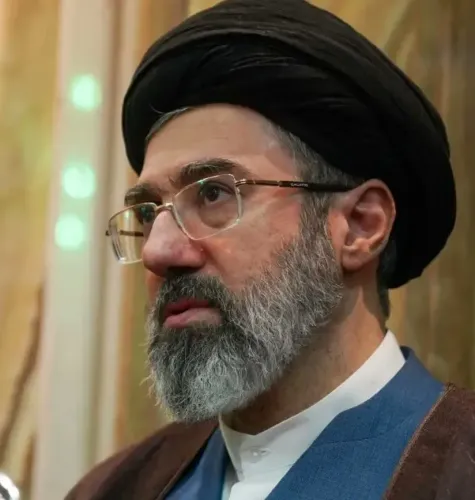
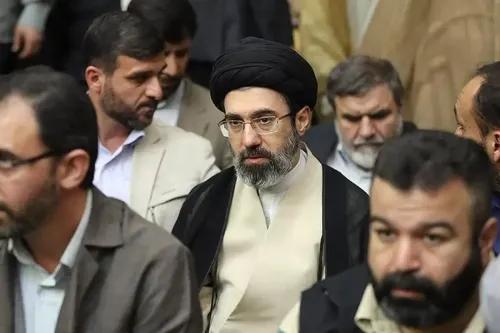
Tehran, March 9 (NationPress) On Monday, Iran officially appointed Mojtaba Khamenei as the new Supreme Leader, taking over from his father, Ali Khamenei. This transition reinforces the stronghold of hardliners in Tehran amid a growing confrontation with the United States and Israel.
Mojtaba Khamenei, a mid-ranking cleric and influential figure within Iran's security apparatus and extensive economic networks established during his father's tenure, has long been seen as a prime candidate for this pivotal role.
The Assembly of Experts, an 88-member clerical body tasked with selecting the Supreme Leader following the death of Ali Khamenei, made this significant decision.
In a statement released shortly after midnight Tehran time, the assembly confirmed, “With a decisive vote, we have appointed Ayatollah Seyyed Mojtaba Hosseini Khamenei as the third Leader of the sacred system of the Islamic Republic of Iran.”
This Supreme Leader position grants Mojtaba Khamenei supreme authority over all state matters in the Islamic Republic, including command over military, judiciary, and key political entities.
His appointment is anticipated to escalate tensions with Washington. US President Donald Trump remarked on Sunday that the United States should have input regarding Iran's leadership transition.
“Without our approval, he won’t last long,” Trump stated during an interview with ABC News. Israel also issued warnings ahead of this announcement, suggesting that the new leader could be at risk.
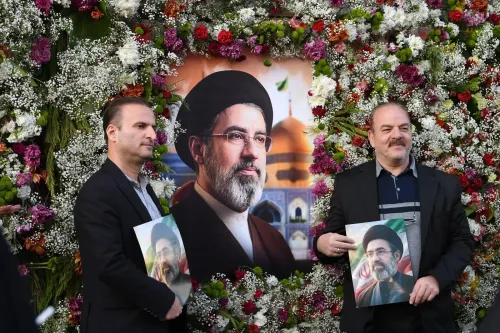
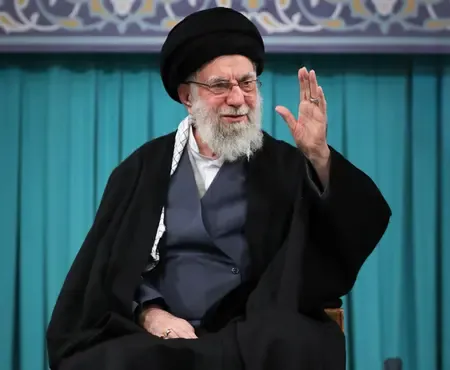
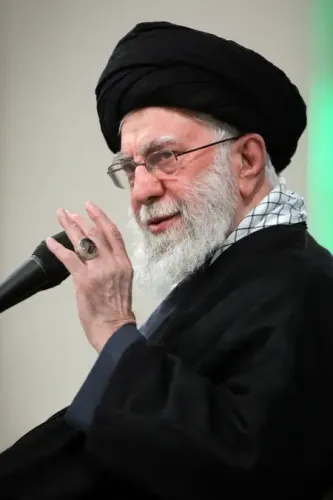
Ali Khamenei, Iran’s long-time Supreme Leader, was killed in an early strike on February 28 as hostilities intensified between Iran and the US-Israel alliance.
The ongoing conflict has already inflicted substantial losses. The US military reported on Sunday that a seventh American serviceman succumbed to injuries sustained during Iran's initial counter-offensive a week prior.
This announcement came shortly after Trump oversaw the return of the remains of six other American personnel killed in action.
According to Iran's ambassador to the United Nations, the US-Israeli military campaign has led to the deaths of at least 1,332 Iranian civilians and left thousands more injured.
Despite pressure from Washington for Tehran to surrender, Iranian officials indicated their unwillingness to back down. While Trump called for what he termed “unconditional surrender,” Iran’s parliament speaker, Mohammad Bagher Qalibaf, affirmed that Tehran is not pursuing a ceasefire and will continue to retaliate against those responsible for the assaults.
Meanwhile, Israel has continued to target high-ranking Iranian officials as part of its military strategy. Israeli authorities reported that Abolqasem Babaian, who had recently taken over as head of the Supreme Leader’s military office, was killed in an airstrike on Saturday.
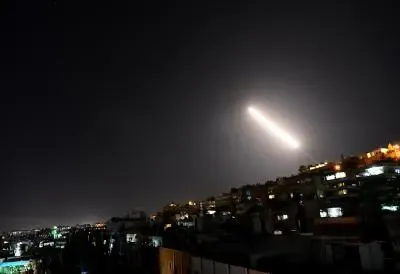
As the conflict entered its ninth day, residents of Tehran observed thick black smoke lingering over parts of the city following airstrikes on oil storage facilities.
The strikes illuminated the night sky with large bursts of orange flames, indicating severe damage to energy infrastructure.
Iran's foreign ministry spokesperson, Esmaeil Baghaei, labeled the extensive assault a perilous escalation and accused the aggressors of committing war crimes.
“By targeting fuel depots, they are releasing hazardous materials and toxic substances into the environment,” Baghaei wrote in a post on X.
Israel defended its operations, asserting that these facilities were connected to Iran’s military capabilities.
Israeli Prime Minister Benjamin Netanyahu stated that the offensive against Iran would persist and warned that the country's leadership would face continuous attacks.
Point of View
It's essential to note that the appointment of Mojtaba Khamenei as Supreme Leader solidifies the hardliner faction's control in Iran. This development is pivotal, especially considering the ongoing conflict with the U.S. and Israel, which is likely to intensify under his leadership. Understanding the broader implications for regional stability is crucial.
NationPress
27 Sept 2026
Frequently Asked Questions
Who is Mojtaba Khamenei?
Mojtaba Khamenei is the newly appointed Supreme Leader of Iran, succeeding his father, Ali Khamenei.
What power does the Supreme Leader hold?
The Supreme Leader in Iran holds ultimate authority over state matters, including military and political institutions.
How has the U.S. reacted to this leadership change?
The U.S. has expressed concerns, with President Trump stating that the new leader must gain U.S. approval to maintain stability.
What are the implications of this appointment?
Mojtaba's appointment is expected to heighten tensions with the U.S. and Israel and could impact regional stability.
What is the current situation in Iran?
Iran is currently facing escalating conflict with the U.S.-Israel alliance, leading to significant civilian casualties.