Pezeshkian meets Supreme Leader Khamenei amid Iran's deepening crisis
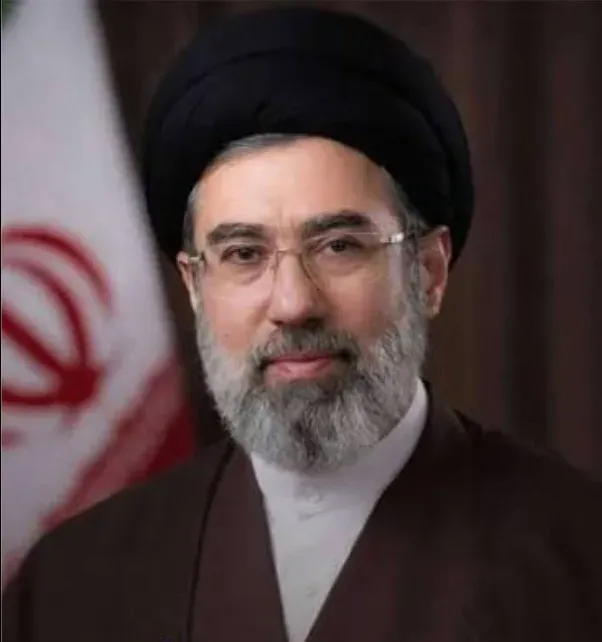
Synopsis
Iran's president sat down with the country's new Supreme Leader — a man selected under wartime conditions after the killing of his father — to tackle sanctions, a naval blockade, and a stalled economy. With no US talks on the horizon and communication with the leadership described as 'very difficult,' Iran is navigating its most acute crisis in decades with a leadership transition still finding its footing.
Key Takeaways
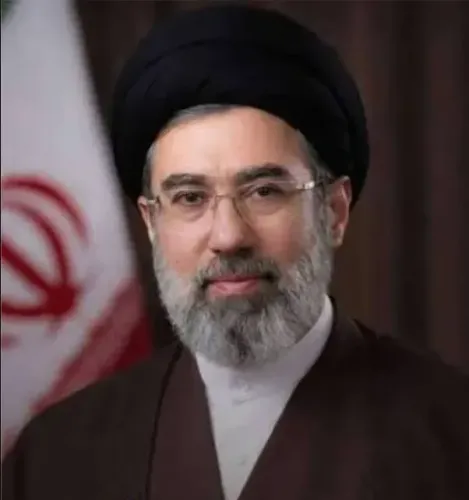
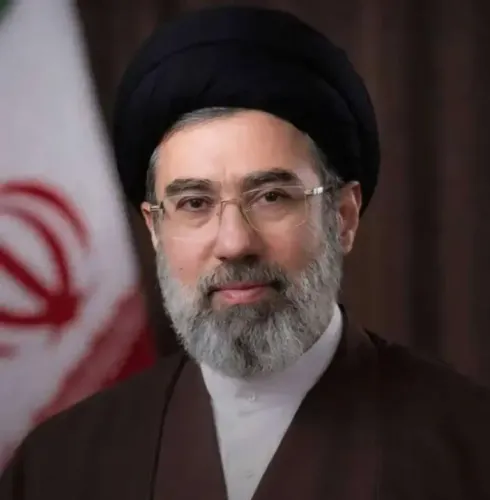
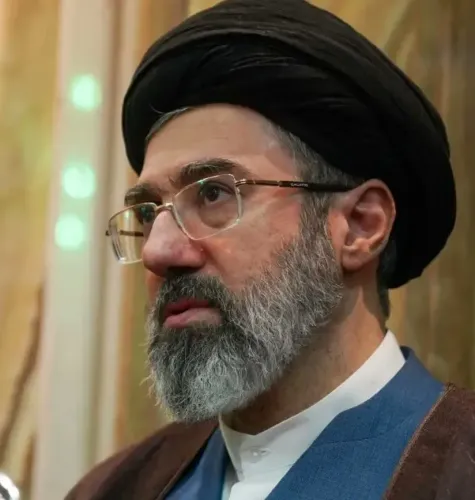
President Masoud Pezeshkian met new Supreme Leader Mojtaba Hosseini Khamenei in Tehran on 9 August .
Discussions covered livelihood needs, ongoing conflict conditions, energy, and economic engagement with foreign countries.
Pezeshkian described Iran as facing its 'most difficult' circumstances, citing banking sanctions , a naval blockade , and an ongoing war .
Mojtaba Khamenei was selected as Supreme Leader by the Assembly of Experts in early March , following the killing of his father Ali Khamenei on 28 February .
Foreign Minister Aragchi confirmed there are no active negotiations with the United States , citing unresolved violations of a Memorandum of Understanding.
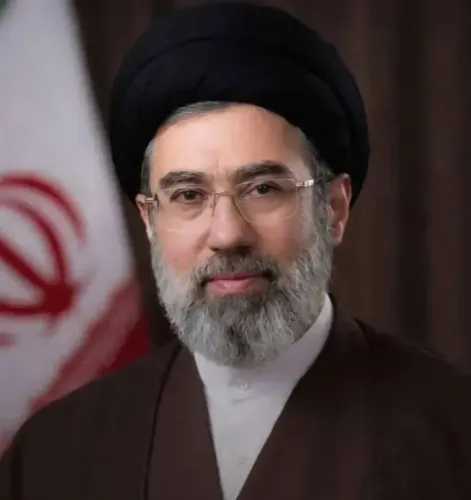
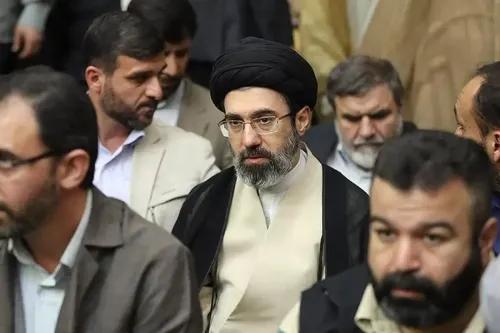
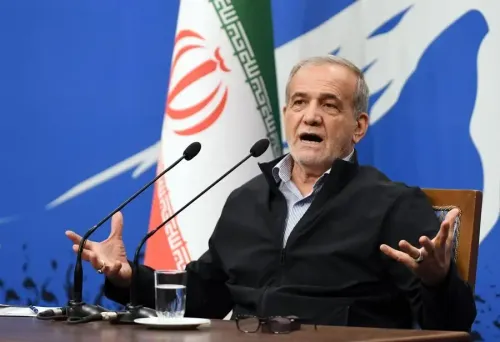
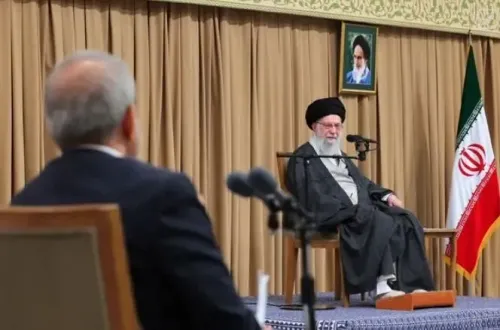
Iranian President Masoud Pezeshkian on Saturday, 9 August held a face-to-face meeting with the country's new Supreme Leader, Mojtaba Hosseini Khamenei, in Tehran, according to local media reports. The meeting addressed a range of pressing national concerns as Iran navigates what its own president has described as its 'most difficult' circumstances.
Key Developments from the Meeting
According to Iran's semi-official Mehr News Agency, the Supreme Leader and the President engaged in a detailed discussion centred on the country's internal challenges, with particular emphasis on meeting the livelihood needs of ordinary citizens. The two leaders also reviewed the current conditions of ongoing conflicts, the road ahead, and matters relating to resources, expenditure, energy, and economic engagement with foreign nations.
Pezeshkian on Iran's Dire Circumstances
Earlier on Wednesday, President Pezeshkian acknowledged that communication with Supreme Leader Mojtaba Khamenei is 'very difficult at the moment,' but stressed that his presence remains a 'great strength' for the country. Speaking in an interview published on his office's official website, Pezeshkian said Iran is confronting its most severe conditions in recent memory, citing intensified banking sanctions, restrictions on foreign transactions, a naval blockade, and an ongoing war.
Pezeshkian also addressed the killing of former Supreme Leader Ali Khamenei by the United States and Israel on 28 February, calling the act one of 'desperation' and saying it was expected to cause Iran to collapse. 'However, the country continued, and our (new) beloved leader was selected,' he said, adding that despite the extreme difficulties in communication, the new leadership provides a foundation for Iran to persist.
How the New Supreme Leader Came to Power
Mojtaba Khamenei, son of the late Ali Khamenei, was formally selected as Iran's new Supreme Leader by the country's Assembly of Experts in early March. The transition came under extraordinary circumstances — in the immediate aftermath of a targeted killing that Iran characterised as a 'brutal' act by external powers. The leadership succession, conducted under wartime conditions, represents an unprecedented moment in the Islamic Republic's history.
Iran-US Talks at a Standstill
Adding to the diplomatic pressure, Iranian Foreign Minister Seyyed Abbas Aragchi stated on Sunday that there are currently no ongoing negotiations with the United States. Speaking to reporters at the Centre for Political and International Studies of Iran's Ministry of Foreign Affairs, and as reported by the semi-official Tasnim News Agency, Aragchi said intermediaries are still working to find pathways to resume talks.
'We currently have no negotiations with the United States. Intermediaries are still making efforts to find ways to resume negotiations. From our perspective, there can be no resumption of talks until the United States ends its violations of the Memorandum of Understanding (MoU) and makes amends for the breaches it has committed,' Aragchi said.
This comes amid a broader pattern of diplomatic paralysis between Tehran and Washington, with both sides holding firm on preconditions while Iran's economic and security situation deteriorates. How the new Supreme Leader navigates this impasse will be among the defining tests of his early tenure.
Point of View
The Foreign Minister's confirmation that US talks are dead in the water, pending MoU compliance, suggests Iran is digging in rather than seeking off-ramps. The real question is whether a leadership still consolidating authority can sustain that posture as sanctions, a blockade, and war compound simultaneously.
NationPress
24 Sept 2026
Frequently Asked Questions
Why did President Pezeshkian meet Supreme Leader Mojtaba Khamenei?
President Pezeshkian met Supreme Leader Mojtaba Khamenei on 9 August to discuss Iran's internal challenges, including citizens' livelihood needs, ongoing conflict conditions, energy, and foreign economic engagement, according to the Mehr News Agency.
Who is Mojtaba Khamenei and how did he become Supreme Leader?
Mojtaba Khamenei is the son of former Supreme Leader Ali Khamenei. He was selected as Iran's new Supreme Leader by the Assembly of Experts in early March, following the killing of his father by the United States and Israel on 28 February.
What pressures is Iran currently facing?
President Pezeshkian has described Iran as facing its 'most difficult' circumstances, citing intensified banking sanctions, restrictions on foreign transactions, a naval blockade, and an ongoing war.
Are Iran and the United States currently in negotiations?
No. Foreign Minister Seyyed Abbas Aragchi confirmed on Sunday that there are no ongoing negotiations with the United States. He said talks cannot resume until the US ends its violations of a Memorandum of Understanding and makes amends for those breaches.
What did Pezeshkian say about communication with the new Supreme Leader?
Pezeshkian said on Wednesday that communication with Supreme Leader Mojtaba Khamenei is 'very difficult at the moment,' but described his presence as a 'great strength' that allows Iran to continue on its current path.