IRGC warns of 'devastating' new weapons if fresh war breaks out

Synopsis
Iran's IRGC has publicly warned that any future war will see far more destructive missiles — a deliberate signal that Tehran used the post-ceasefire period to upgrade its arsenal. Simultaneously, the IRGC has flatly called Trump's backchannel claim a 'delusion,' deepening doubts about whether the fragile June memorandum of understanding can hold.
Key Takeaways
IRGC spokesperson Hossein Mohebbi warned on 20 August that Iran will use more 'devastating' weapons with greater precision and range if a new war begins.
Iran fought two conflicts against the US and Israel — a 12-day war in June 2024 and a 40-day war in late February 2025 .
A ceasefire was reached on 8 April ; a memorandum of understanding on ending all-front hostilities was signed on 18 June .
Mohebbi dismissed President Trump 's claim of a US-IRGC backchannel as a 'delusion,' saying no talks are ongoing.
Foreign ministry spokesman Esmaeil Baghaei denied reports of a secret US-Iran meeting in Erbil , calling them 'psychological operations.'
Iran's Islamic Revolutionary Guard Corps (IRGC) has warned that the country will deploy significantly more destructive weapons if a new conflict is forced upon it, citing major advances in missile technology since the 12-day and 40-day wars fought against the United States and Israel in June 2024 and late February 2025 respectively. The warning was issued by IRGC spokesperson Hossein Mohebbi in an interview published on Thursday, 20 August by Iran's Defa Press news agency.
What the IRGC Said
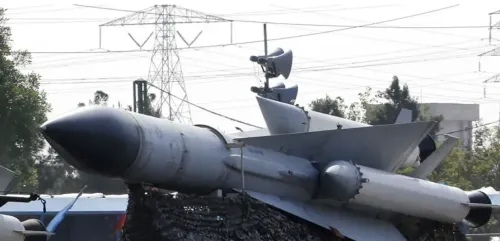
'If another war begins, our weapons will definitely be different... in terms of the generation of missiles' warheads, as well as their precision and range,' Mohebbi said. He stressed that Iran has never halted arms production, adding that 'the destructive power of the warheads used in the IRGC's new missiles is far greater than the models used in the previous wars.'
This comes amid a fragile post-conflict environment. A ceasefire between the warring parties was reached on 8 April, and on 18 June, Iran and the United States signed a memorandum of understanding on ending hostilities across all fronts. Despite that agreement, tensions have repeatedly flared in the months since.
Iran Rejects US Backchannel Claims
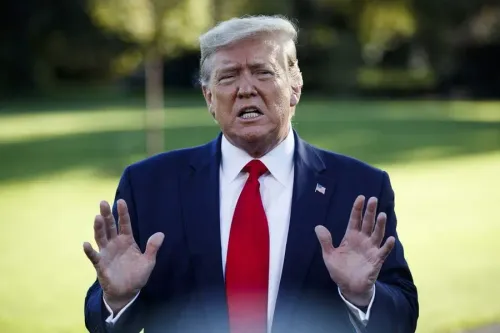
Separately, Mohebbi on Monday dismissed US President Donald Trump's assertion that a backchannel exists for talks between Washington and the IRGC. Speaking to the semi-official Tasnim news agency, the spokesperson called Trump's claim a 'delusion,' stating categorically that no dialogue is taking place between IRGC officials and American counterparts.
Mohebbi went further, noting that even Iran's broader diplomatic apparatus has suspended negotiations with the United States, citing Washington's 'breach of promises' as the reason for the breakdown.
Foreign Ministry Denies Secret Meetings
At a separate press conference on Monday, Iranian foreign ministry spokesman Esmaeil Baghaei denied media reports of informal contact between Washington and the IRGC through Iraqi Kurdistan officials, as well as reports of an alleged secret US-Iran meeting in Erbil. Baghaei characterised such reports as 'media techniques and psychological operations used to sow discord among Iran's decision-making bodies.'
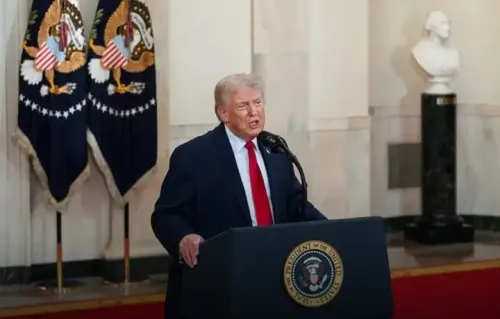
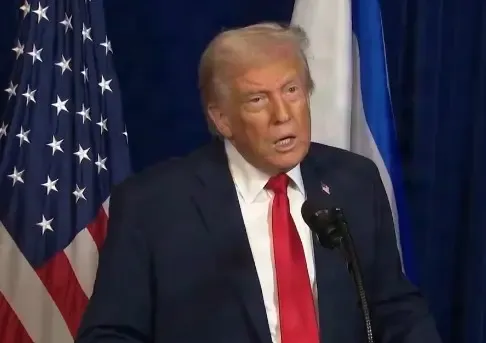
The denials follow a report by Fox News, in which President Trump reportedly confirmed the existence of a backchannel for peace talks with the IRGC — a claim now firmly rejected by both the IRGC and Iran's foreign ministry.
Context: A Fragile Post-War Landscape
The back-and-forth over talks reflects the precarious state of US-Iran relations following two military confrontations in under a year. While the 18 June memorandum of understanding technically ended the wars, the absence of a formal diplomatic channel and continued mutual accusations suggest the ceasefire remains brittle. Iran's latest weapons warning signals that Tehran is using the interwar period to upgrade its deterrence posture, regardless of whether negotiations resume.
How the Trump administration responds to Iran's public rejection of any backchannel — and whether the 18 June MoU holds — will be the defining question for regional stability in the weeks ahead.
Point of View
Not bluster — it signals that Tehran spent the ceasefire period hardening its missile arsenal rather than moving toward de-escalation. The simultaneous rejection of any US backchannel is equally telling: by branding Trump's claim a 'delusion,' the IRGC is closing off the diplomatic off-ramp publicly, even if quiet contacts exist. The June memorandum of understanding has not produced a durable framework, and with Iran upgrading warheads and Washington's promises already deemed broken by Tehran, the ceasefire looks more like a pause than a settlement. The real risk is that both sides are now locked into escalatory postures with no acknowledged channel to manage the next flashpoint.
NationPress
5 Oct 2026
Frequently Asked Questions
What weapons warning did Iran's IRGC issue on 20 August?
IRGC spokesperson Hossein Mohebbi said Iran will deploy more 'devastating' weapons — with superior warheads, precision, and range — if a new war begins. He stated that Iran has continuously expanded its arms production since the recent conflicts with the US and Israel.
What are the 12-day and 40-day wars referenced by the IRGC?
According to the IRGC, Iran fought a 12-day war against the US and Israel in June 2024, and a separate 40-day war in late February 2025. A ceasefire was reached on 8 April, followed by a memorandum of understanding signed on 18 June.
Did Iran deny US claims of a backchannel for peace talks?
Yes. IRGC spokesperson Mohebbi called President Trump's claim of a backchannel 'a delusion,' saying no dialogue is ongoing between IRGC officials and Americans. Iran's foreign ministry also denied reports of a secret US-Iran meeting in Erbil, Iraqi Kurdistan.
Why has Iran suspended diplomatic negotiations with the US?
According to Mohebbi, Iran's diplomatic apparatus is not currently negotiating with the United States because of Washington's 'breach of promises,' though he did not specify which commitments were violated.
How stable is the current US-Iran ceasefire?
The ceasefire reached on 8 April and the 18 June memorandum of understanding have not prevented repeated flare-ups, according to reports. Iran's latest weapons warning and its rejection of any talks channel suggest the post-war arrangement remains fragile.