IRGC rejects Trump's backchannel claim, calls it a 'delusion'
Synopsis
Iran's IRGC and foreign ministry issued a rare coordinated denial on the same day, rejecting Trump's claim of active backchannel talks — even as Trump threatened Oman over Strait of Hormuz negotiations and urged Tehran to raise a 'white flag of surrender.' The gap between Washington's assertions and Tehran's denials has rarely been this public, or this pointed.
Key Takeaways
IRGC spokesperson Hossein Mohebbi called Trump's backchannel claim a 'delusion' on 17 August , saying no dialogue exists with American officials.
Iranian Foreign Ministry spokesman Esmaeil Baghaei denied reports of unofficial US-IRGC contact via Iraqi Kurdistan officials and an alleged secret meeting in Erbil .
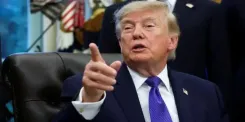
Trump confirmed the backchannel claim to Fox News , urged Iran to raise a 'white flag of surrender,' and said US naval pressure would continue.
Trump issued a blunt warning to Oman over its parallel talks with Tehran on Strait of Hormuz access, saying the US would 'bomb' Oman if it 'gets in the way.' Iran cited Washington's 'breach of promises' as the reason its diplomatic apparatus is not currently negotiating with the US.
Iran's Islamic Revolutionary Guard Corps (IRGC) on Monday, 17 August flatly rejected US President Donald Trump's assertion that a backchannel for talks exists between Washington and the IRGC, calling the claim a fabrication. The denial came from multiple senior Iranian officials within hours of Trump's remarks, signalling a coordinated pushback from Tehran.
IRGC Spokesperson's Denial
IRGC spokesperson Hossein Mohebbi, speaking to the semi-official Tasnim News Agency, described Trump's claim as a 'delusion,' stating categorically that no dialogue was taking place between IRGC officials and American counterparts. Mohebbi further noted that Iran's diplomatic apparatus had suspended negotiations with the United States, citing Washington's 'breach of promises' as the reason for the breakdown.
Foreign Ministry Dismisses Erbil Meeting Reports
At a separate press conference the same day, Iranian Foreign Ministry spokesman Esmaeil Baghaei denied media reports of unofficial contact between Washington and the IRGC through Iraqi Kurdistan officials. He also rejected reports of an alleged secret US-Iran meeting held in Erbil. Baghaei characterised such reports as 'media techniques and psychological operations used to sow discord among Iran's decision-making bodies.'
What Trump Said
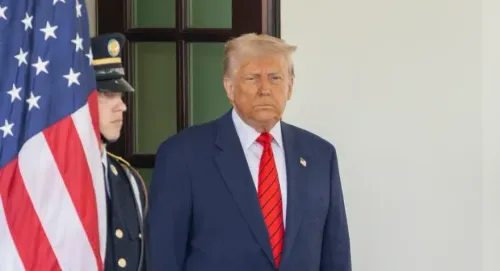
The controversy was triggered after Fox News reported that Trump had confirmed the existence of a backchannel for peace talks with the IRGC. In a telephone interview with Fox News chief foreign correspondent Trey Yingst, Trump urged Iran to raise the 'white flag of surrender' as a 60-day ceasefire understanding neared expiry. He acknowledged he was 'not in a hurry' to set a deadline for Tehran, while insisting that US naval pressure on Iran would continue.
Trump described Iranian officials as 'good poker players' but said the country was 'dying,' according to Yingst. He also issued a stark warning to Oman, which has been conducting parallel talks with Tehran over control of the Strait of Hormuz. 'If Oman gets in the way, we'll bomb the S out of them,' Trump was quoted as saying.
Broader Context and What's at Stake
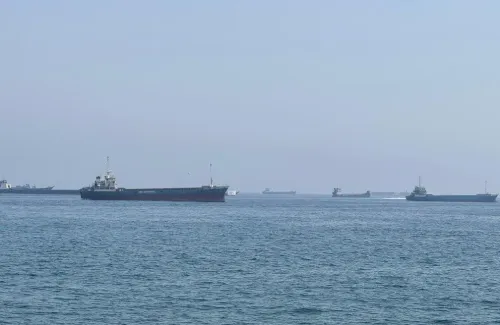
The duelling statements reflect the deep mistrust that has defined US-Iran relations since Washington withdrew from the 2015 nuclear deal (JCPOA) and reimposed sanctions. Iran's insistence that no talks are occurring — even as the US claims otherwise — follows a familiar pattern: both sides have historically used public denials to manage domestic audiences while keeping diplomatic channels open. Notably, the alleged Erbil meeting, if confirmed, would represent a significant covert diplomatic development given the current state of relations. The Strait of Hormuz, through which roughly 20% of global oil trade passes, remains a critical flashpoint, and Trump's warning to Oman adds a new and volatile dimension to an already fragile regional standoff.
What Happens Next
With the 60-day ceasefire window reportedly closing and no formal negotiations confirmed, the risk of escalation remains elevated. Regional actors — including Oman, which has historically served as a discreet intermediary between Washington and Tehran — are now directly in the crosshairs of US pressure. Analysts will be watching whether Iran's public denials hold, or whether back-channel contacts, if any, eventually surface through third-party disclosures.
Point of View
Coordinated messaging strategy — not a spontaneous reaction. Tehran has used this tactic before: deny publicly, preserve deniability domestically, while leaving the door ajar. What is unusual here is the specificity of the denial, including the named location of Erbil, which paradoxically lends the report more credibility than a generic rebuttal would. Trump's Oman warning is the more consequential and underreported element — threatening a Gulf state that has served as Washington's own back-channel intermediary for decades is a significant departure from diplomatic norms, and its implications for regional stability deserve far more scrutiny than the backchannel dispute itself.
NationPress
2 Oct 2026
Frequently Asked Questions
Why did Iran's IRGC reject Trump's backchannel talks claim?
The IRGC called Trump's claim a 'delusion,' stating no dialogue is taking place between its officials and American counterparts. Iran's foreign ministry added that its diplomatic apparatus has suspended negotiations with the US due to Washington's 'breach of promises.'
What is the alleged secret US-Iran meeting in Erbil?
Media reports suggested that unofficial contact between Washington and the IRGC took place through Iraqi Kurdistan officials, with a secret meeting reportedly held in Erbil. Iran's Foreign Ministry spokesman Esmaeil Baghaei denied these reports, describing them as psychological operations aimed at creating discord within Iran's leadership.
What did Trump say about Iran and the ceasefire?
Trump confirmed to Fox News that a backchannel for peace talks with the IRGC exists, urged Iran to raise the 'white flag of surrender,' and said US naval pressure on Iran would continue. He also noted he was 'not in a hurry' to set a deadline as a 60-day ceasefire understanding neared its end.
Why did Trump warn Oman?
Trump warned Oman after reports emerged that Oman was conducting parallel talks with Tehran over control of the Strait of Hormuz. Trump said the US would 'bomb' Oman if it 'gets in the way,' a stark threat directed at a Gulf state that has historically served as an intermediary between Washington and Tehran.
What is the significance of the Strait of Hormuz in this dispute?
The Strait of Hormuz is a critical global chokepoint through which roughly 20% of the world's oil trade passes. Control over or access to the strait is a major strategic concern for the US, making any Iran-Oman negotiations over it a direct flashpoint in the broader US-Iran standoff.