Are Mass Killings Persisting as Protests Against Khamenei Intensify in Iran?
Synopsis
The ongoing protests in Iran have escalated dramatically since last December, resulting in grave human rights violations. The shocking death toll of demonstrators continues to rise amid a nationwide crackdown, with international organizations calling for urgent action and accountability from Iranian authorities. This situation not only highlights the dire state of human rights in Iran but also demands a global response.
Key Takeaways
Mass killings of protesters have escalated in Iran since January 8.
The death toll has reached alarming numbers, with various organizations estimating thousands of casualties.
The protests reflect deep-seated anger against the clerical regime led by Supreme Leader Ali Khamenei.
Human Rights Watch has raised significant concerns about the use of lethal force by Iranian security forces.
The international community is being urged to take action and hold authorities accountable.
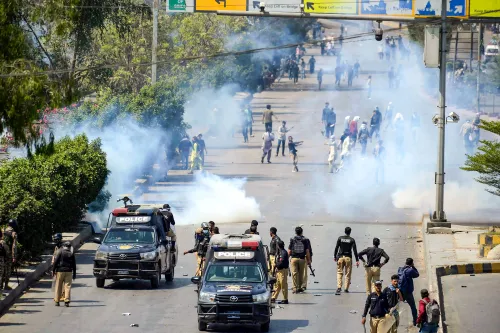
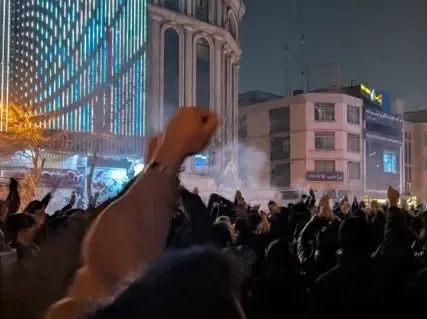
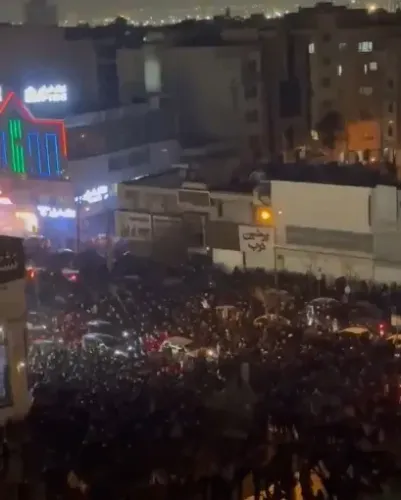
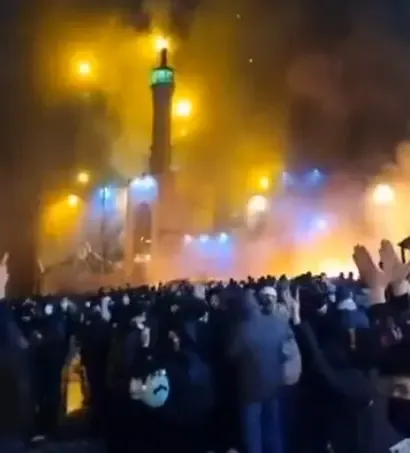
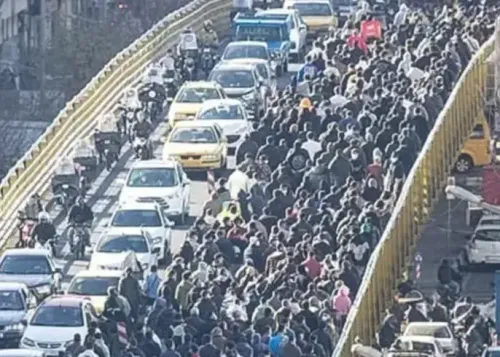
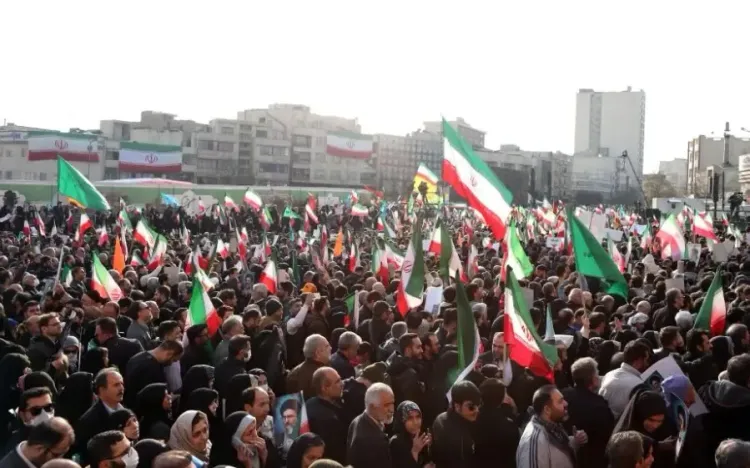
New York, Jan 17 (NationPress) Protests in Iran, which commenced in December of the previous year, are showing no signs of abating, even in the face of widespread mass killings of demonstrators throughout the country.
As reported by the US-based Human Rights Activists News Agency (HRANA), the death toll from the nationwide crackdown by Iranian security forces on protesters surged to 2614 by Wednesday.
Additionally, the Norway-based organization Iran Human Rights (IHR) has confirmed that at least 3,428 protesters have been killed.
While the Iranian government has refrained from releasing an official death toll, it has acknowledged that more than 100 security personnel have lost their lives in confrontations with protesters.
Opposition figures and activists assert that the actual death toll is significantly higher, encompassing over 1000 protesters.
The US-based advocacy organization Human Rights Watch (HRW) has also raised alarms regarding the protest situation, which has escalated since January 8.
These protests, which originally ignited on December 28, 2025, in two markets in Tehran due to soaring inflation and a drastic drop in the rial's value, have since evolved into a nationwide uprising.
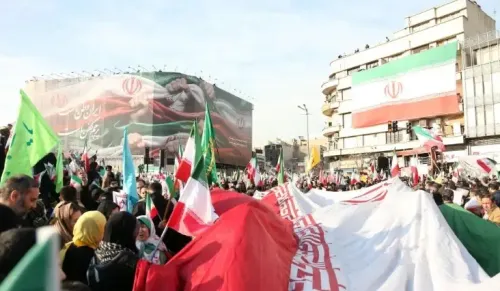
The demonstrations reveal a growing discontent with the clerical regime led by Supreme Leader Ayatollah Ali Khamenei, amid economic turmoil and public dissatisfaction.
"The mass killings executed by Iranian security forces since January 8 are unprecedented in the nation and serve as a stark reminder that leaders who massacre their own citizens will continue to commit atrocities until they are held accountable," stated Lama Fakih, program director at HRW.
She further emphasized that "United Nations member states should promptly convene a special session of the UN Human Rights Council to prioritize human rights and accountability in Iran in the international response."
After verified videos began circulating on January 11, HRW noted that body bags and corpses were found piled up in and around the Forensic Diagnostic and Laboratory Centre located in Iran's Kahrizak district.
The human rights organization indicated that these bodies were laid out for families to identify their loved ones.
HRW reported counting at least 400 visible bodies in various videos from that site alone, suggesting the actual number could be higher due to bodies being stacked on top of one another, complicating accurate counting.
"The horrifying visuals of families searching through hundreds of body bags in an open-air morgue should compel the global community to take action against those responsible, including at the highest levels," Fakih commented.
HRW also cited witness testimonies describing Iranian security forces employing lethal force against unarmed protesters across multiple provinces.
"The widespread, unjustified use of lethal force leading to mass killings of protesters and bystanders indicates that authorities have deliberately and unlawfully utilized firearms as state policy," the rights organization stated.
Moreover, HRW highlighted that Iranian authorities have withheld the bodies of victims, denied families the opportunity to bury and mourn their loved ones respectfully, and, in some cases, buried the bodies without families' knowledge or consent at sites mandated by officials.
HRW urged UN member states to convene an immediate special session of the UN Human Rights Council, where they must assert that those responsible for severe human rights violations throughout Iran will face accountability.
Point of View
My perspective aligns with our commitment to truth and justice. The ongoing situation in Iran is a stark reminder of the struggle for human rights globally. We stand in solidarity with those who seek accountability and justice in the face of oppression, urging both local and international actors to respond decisively.
NationPress
22 Sept 2026
Frequently Asked Questions
What sparked the protests in Iran?
The protests began due to rising inflation and a significant decline in the value of the rial, originating from two markets in Tehran.
How many protesters have been killed?
Reports indicate that at least 3,428 protesters have been killed, according to the Iran Human Rights organization.
What has been the response of the Iranian government?
The Iranian government has not released an official death toll but has confirmed the deaths of over 100 security officials in clashes.
What is the international community doing about this situation?
Human Rights Watch and other organizations are urging UN member states to hold a special session to address human rights violations in Iran.
What evidence is there of mass killings?
Verified videos have shown bodies piled up in morgues, indicating widespread and systematic killings of protesters.