Will Iran's Judiciary Show No Mercy to Protest Supporters?
Synopsis
As protests surge across Iran, the top judicial authority warns against aiding 'enemy' forces. With accusations directed at the US and Israel for inciting unrest, tensions escalate. Discover the implications of these warnings and the ongoing unrest in this developing situation.
Key Takeaways
No leniency for those aiding enemies of Iran.
Protests fueled by economic hardship and political restrictions.
US and Israeli involvement heightens the stakes.
Over 30 protest-related deaths reported.
Social media plays a crucial role in the protests.
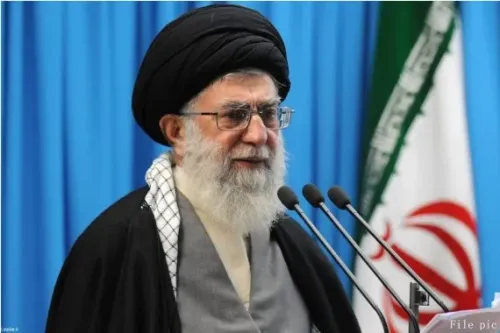
Tehran, Jan 8 (NationPress) Iran's highest judicial figure, Gholamhossein Mohseni Ejei, has issued a stern declaration that there will be “no leniency” for individuals accused of supporting what he characterized as the “enemy of the Islamic Republic”, as protests escalate nationwide. He accused the United States and Israel of instigating turmoil in Iran.
“In light of statements from Israel and the US President, those who take to the streets to incite riots and chaos have no justification,” Ejei, head of Iran's judiciary, was reported as stating by state media.
“From this point forward, we will show no mercy to anyone who assists the enemy against the Islamic Republic and the peace of its citizens,” he emphasized.
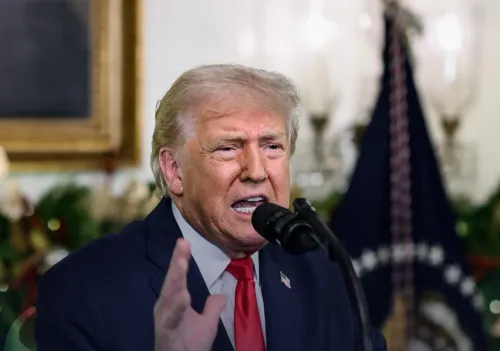
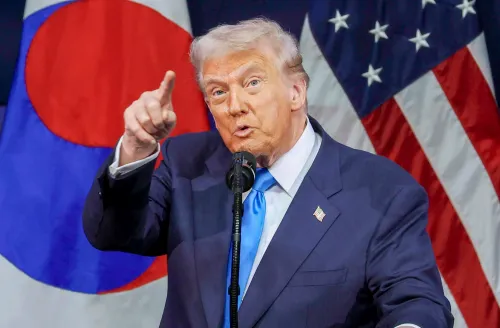
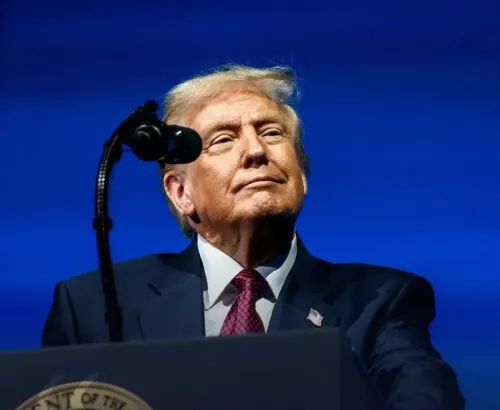
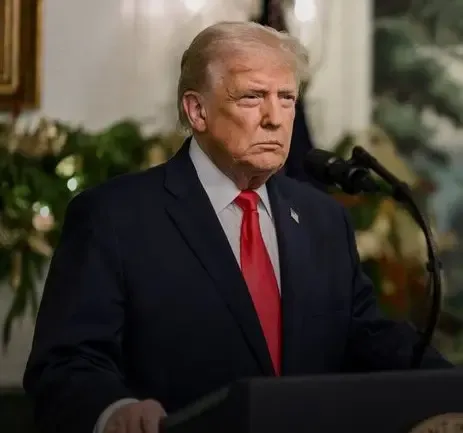
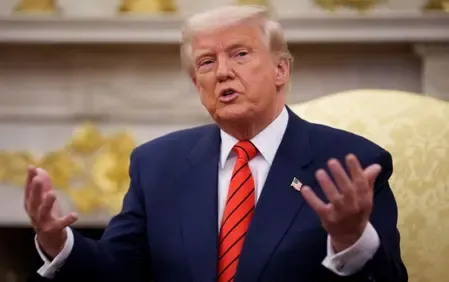
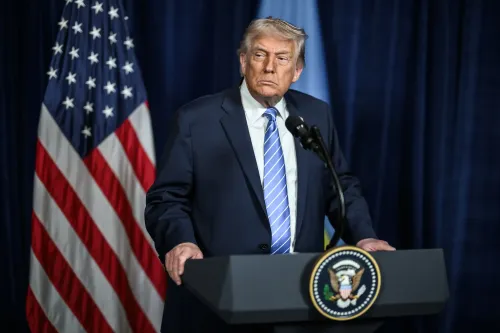
This warning follows remarks by US President Donald Trump, who indicated that Washington would take action if Tehran “violently suppresses peaceful protesters”.
Trump further asserted that the United States is “locked and loaded and ready to go”. Israeli Prime Minister Benjamin Netanyahu also expressed support for the demonstrators on Sunday, suggesting that Iranians are possibly “taking their fate into their own hands”.
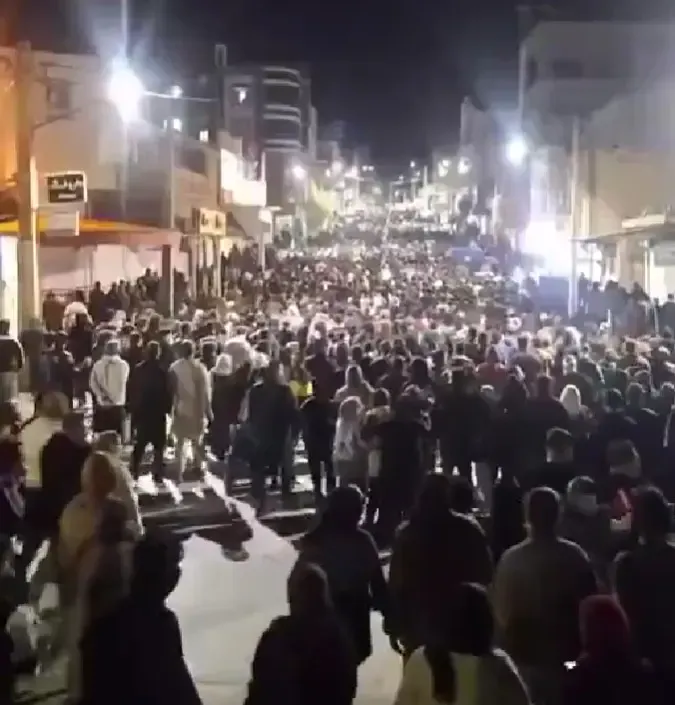
Iran is grappling with its most significant wave of protests in three years, which commenced last month in Tehran's historic Grand Bazaar, where merchants halted their trade to protest the steep depreciation of Iran's rial currency.
Since that time, demonstrations have erupted across the nation, driven by public discontent over deteriorating economic conditions, Western sanctions, claims of governmental mismanagement, and curbs on political and social liberties.
In the wake of Ejei's comments, Iranian Army Chief Major-General Amir Hatami delivered a robust warning, threatening pre-emptive military action in response to what he termed hostile “rhetoric” aimed at Iran.
He stated that Tehran would “cut off the hand of any aggressor”, asserting that Iran’s military capabilities are “far superior than before the war”. “If the enemy makes a mistake, it will encounter a far more decisive response,” Hatami declared.
Over 30 individuals have lost their lives since the onset of the protests, with thousands reportedly detained. Iranian officials have not published an official death toll for the protesters but confirmed that at least two security personnel have died and more than a dozen others have been injured.
Meanwhile, footage from the protests continues to inundate social media platforms, with some videos depicting demonstrators tearing down and destroying flags of the Islamic Republic in various regions.
Point of View
It is vital to remain unbiased while reporting on the ongoing unrest in Iran. The judiciary's firm stance against perceived enemies reflects the heightened tensions within the country. As protests evolve, we must prioritize accurate reporting and understanding the complex socio-political landscape.
NationPress
19 Sept 2026
Frequently Asked Questions
What triggered the recent protests in Iran?
The protests were initially triggered by the sharp decline of Iran's rial currency and have since expanded to include public anger over economic conditions, Western sanctions, and restrictions on freedoms.
How has the Iranian government responded to the protests?
The Iranian government has issued stern warnings against aiding foreign enemies and has threatened military action against hostile rhetoric.
What are the implications of US involvement in Iranian protests?
US involvement may escalate tensions further, with potential military or political repercussions for both nations.
How many people have been killed during the protests?
Reports indicate that more than 30 individuals have died since the protests began, although official death tolls have not been released.
What role does social media play in the protests?
Social media has been pivotal in disseminating protest videos and rallying support, showcasing the scale of dissent across the country.