Iraq militia group postpones retaliation against US, Saudi forces
Synopsis
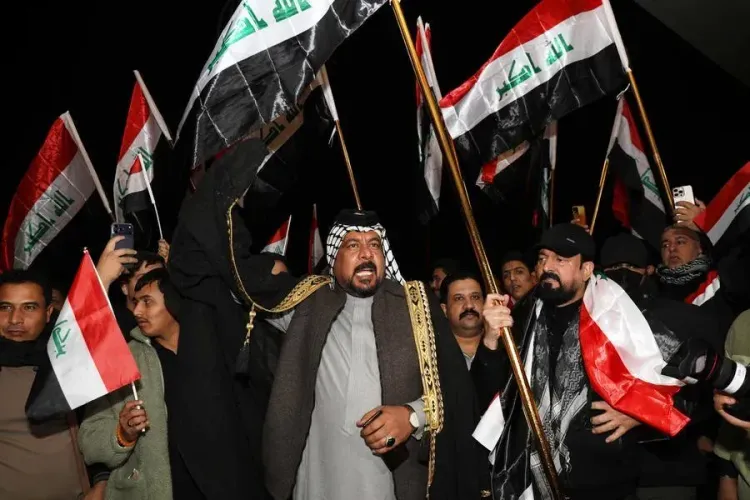
Iraq's most powerful militia umbrella group has stepped back from the brink — for now. The Islamic Resistance in Iraq postponed a threatened retaliation against US and Saudi forces after Shiite political leaders intervened, but the decision is a pause, not a stand-down. With 20 dead from the 29 July airstrikes and Baghdad still disputing the drone-attack attribution, the conditions for a fresh escalation remain firmly in place.
Key Takeaways
The Islamic Resistance in Iraq announced on 8 August it has postponed — not cancelled — planned retaliation against US and Saudi forces.
The postponement followed appeals from Shiite political leaders in Iraq.
Joint US-Saudi airstrikes on 29 July struck Popular Mobilization Forces (PMF) sites, killing 20 people .
Saudi Arabia said it intercepted drones from Iraq targeting its oil facilities on 27 July ; Baghdad denied any evidence linking the drones to Iraqi territory.
CENTCOM reported Iran-aligned militias conducted more than 600 attacks against US targets between February and April 2026 .
The group's retaliatory deadline expired on Friday without a formal Iraqi government response.
The Islamic Resistance in Iraq, an umbrella organisation for Iraq's pro-Iranian militias, announced on 8 August that it has postponed a planned retaliatory operation against US and Saudi forces. The decision came in response to appeals from Shiite political leaders, according to a statement issued by the group.
Background: The July 29 Airstrikes
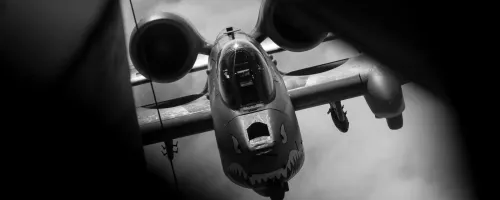
The militia coalition had been demanding firm diplomatic or security action from the Iraqi government following joint US-Saudi airstrikes on 29 July that targeted sites belonging to Iraq's Popular Mobilization Forces (PMF) — a coalition of primarily Shiite militias — leaving 20 people dead. The group had set a deadline for the government to respond, which expired on Friday without an official stance being adopted.
What Triggered the Strikes
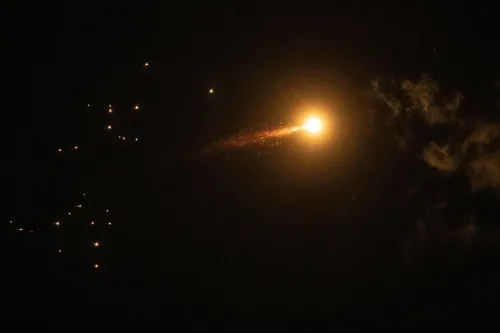
Saudi Arabia said on 27 July that it had intercepted drones launched from Iraq that attempted to target its oil facilities. Riyadh and Washington responded with airstrikes on several logistics and weapons sites used by the militia groups. The US Central Command (CENTCOM) described the operation as a direct response to aerial attacks conducted over the previous 72 hours under the direction of Iran's Islamic Revolutionary Guard Corps (IRGC).
Notably, CENTCOM did not identify the specific groups targeted or disclose precise strike locations beyond confirming they occurred across eastern Iraq. No information on casualties or the extent of damage was publicly released by the command.
Iraq's Position and the Drone Dispute
Baghdad has maintained that no evidence was provided to prove the drone attacks on Saudi soil were launched from Iraqi territory — a claim that complicates the legal and diplomatic basis for the retaliatory strikes. This dispute over attribution sits at the heart of the current standoff between Iraq, its militia factions, and the US-Saudi coalition.
According to CENTCOM, Iran-aligned militias in Iraq had attempted more than 600 attacks against US citizens and facilities between February and April 2026 alone — underscoring the sustained nature of the conflict even before the 29 July strikes escalated tensions further.
What the Postponement Means
The decision to postpone — rather than cancel — retaliation signals that the Islamic Resistance in Iraq is leaving its options open while yielding, at least temporarily, to pressure from political leadership within the Shiite bloc. This is consistent with a pattern seen in previous standoffs, where militia groups use deadline-setting and postponement as negotiating leverage. The broader question of whether Baghdad will take any formal diplomatic action against the strikes remains unresolved, and the situation in eastern Iraq remains volatile.
Point of View
Yet it cannot back the militias without inviting further Western pressure. Iraq's denial that drone-attack evidence was ever shared is a legally significant claim that mainstream coverage has underweighted. If that assertion holds, the entire justification for the 29 July strikes is contested — and that dispute will not disappear simply because a retaliatory deadline was extended.
NationPress
22 Sept 2026
Frequently Asked Questions
Why did the Islamic Resistance in Iraq postpone its retaliation?
The group said it postponed the planned retaliation in response to calls from Shiite political leaders in Iraq. The postponement came after a self-imposed deadline — set for the Iraqi government to take an official stance against the US-Saudi airstrikes — expired on Friday without action.
What were the 29 July US-Saudi airstrikes in Iraq?
On 29 July, US and Saudi forces conducted joint airstrikes on logistics and weapons sites belonging to Iraq's Popular Mobilization Forces (PMF) across eastern Iraq, killing 20 people. CENTCOM described the operation as a response to aerial attacks carried out over the previous 72 hours under Iran's IRGC direction.
What triggered the US-Saudi military response?
Saudi Arabia said on 27 July that it intercepted drones launched from Iraq that attempted to strike its oil facilities. Riyadh and Washington responded with the 29 July airstrikes. Iraq, however, has said no evidence was provided proving the drones originated from its territory.
How many attacks have Iran-aligned militias carried out against US targets?
According to CENTCOM, Iran-aligned militias in Iraq conducted more than 600 attacks against US citizens and facilities between February and April 2026, highlighting the sustained scale of hostilities prior to the July escalation.
What is the Popular Mobilization Forces (PMF)?
The Popular Mobilization Forces is a coalition of primarily Shiite militias operating in Iraq, many of which are aligned with Iran. It was formally integrated into Iraq's state security structure but remains a point of contention between Baghdad, Washington, and Riyadh.