Is the Constitution Really Religiously Neutral? Insights from Justice Maheshwari
Synopsis
In a thought-provoking statement, Justice Maheshwari asserts the Indian Constitution’s religious neutrality, challenging conventional perceptions of secularism. This perspective not only highlights the Constitution's inclusive nature but also its role as a guiding moral authority for all citizens. Dive into the insights shared at the recent National Convention.
Key Takeaways
Indian Constitution emphasizes religious neutrality .
Equal respect for all faiths is fundamental .
Justice should be reflected in daily life .
Constitution serves as a moral authority .
Advocates play a crucial role in justice delivery .
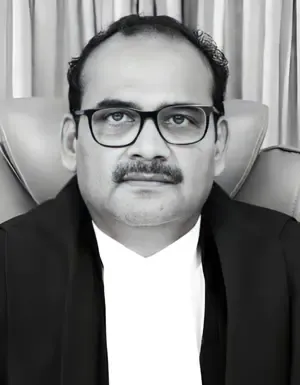
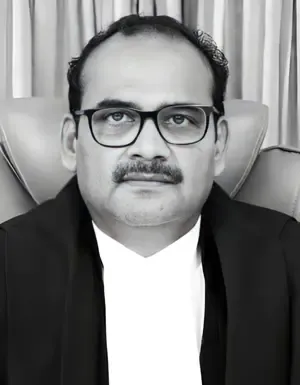
Jaipur, Dec 27 (NationPress) Supreme Court Justice J.K. Maheshwari remarked on Saturday that the Indian Constitution is not secular in a limited sense but rather religiously neutral, highlighting its commitment to equal respect and protection for all religions.
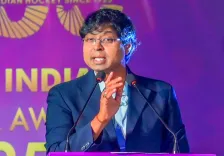
During his address on the second day of the 17th National Convention of the All India Advocates Council in Balotra, Justice Maheshwari noted that while there were discussions regarding the term “secular” in the Preamble, legal scholars from Rajasthan proposed the phrase “religiously neutral,” which was subsequently adopted.
He referenced the motto “Justice: My Religion,” asserting it is not just a catchphrase but a vital truth of the Constitution.
In the third session of the convention, themed “Unity and Integrity of the Nation: Constitutional Mandate,” Justice Maheshwari emphasized that the Constitution should extend beyond courtrooms and be reflected in the actions of both lawyers and citizens.
He stated that under the rule of law, the Constitution holds supreme authority for individuals of all faiths, serving as a moral guide akin to religious texts such as the Gita, the Quran, and the Bible.
Justice Maheshwari also commended Balotra and Jodhpur for their historical valor and steadfast faith, urging that constitutional values should be actively practiced in everyday life.
He shared intriguing details about the Constitution's creation, noting that Dr. B.R. Ambedkar led the Drafting Committee. The original Constitution's artwork was crafted by the esteemed artist Nandalal Bose, and it was handwritten by Prem Bihari Narayan Raizada using 432 nibs of 303 different types.
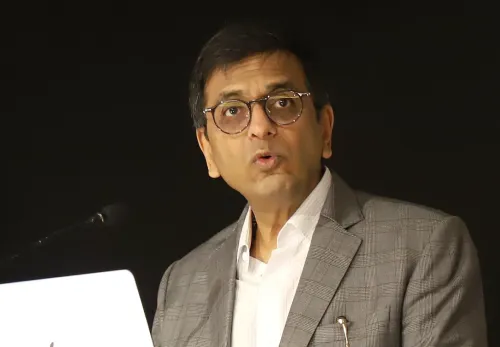
Justice Maheshwari presented images of these nibs during his digital presentation, asserting that the Constitution ought to be a source of faith not just for judges and lawyers but for the public at large.
He drew comparisons with the justice associated with the legendary throne of Vikramaditya, explaining that historically, justice was both delivered and accepted by society, fostering public trust in governance.
Justice Vineet Kumar Mathur, Justice Sanjeet Purohit, and former Rajasthan High Court judge Dr. Vineet Kothari also contributed their insights during the session.
Justice Mathur remarked that the essence of “Vasudhaiva Kutumbakam” (the world is one family) is evident in the Constitution's Preamble, characterizing its fundamental philosophy as nationalistic rather than individualistic.
Dr. Vineet Kothari emphasized the vital role of advocates as the driving force of the justice delivery system, stating that justice cannot operate effectively without them. He highlighted the collective duty of judges and lawyers to uphold India's judicial reputation globally.
The event commenced with a Ganesh Vandana, followed by an impressive Chari dance. Cultural performances, including a sword dance from Porbandar, vibrant Bhangra, Mayur dance, Kathak, Rathwa dance, and Manganiyar folk music, enriched the evening's atmosphere.
The cultural showcases introduced advocates from across the nation to Rajasthan's rich folk traditions and heritage of valor.
The program was hosted by Poonam Sharma and advocate Pankaj Awasthi and saw a significant turnout of advocates and guests.
Several distinguished legal figures were present at the convention, including National Organising Secretary Harirao Borikar, National President K. Srinivas Murthy, National Secretary Vikram Dubey, State President Sunil Joshi, State General Secretary Shyam Paliwal, Devkinandan Vyas, Kamlesh Rawal, Senior Advocate Kantilal Thakur, Additional Advocate General Rajesh Panwar, Shyam Ladrecha, and Mahaveer Bishnoi.
Point of View
It is crucial to recognize Justice Maheshwari's observations regarding the Constitution's religious neutrality. This perspective encourages a deeper understanding of how our foundational legal document ensures equality and respect for all faiths, fostering unity and integrity in our diverse nation. Such discussions are vital for promoting social harmony and enhancing the rule of law in India.
NationPress
4 Oct 2026
Frequently Asked Questions
What does Justice Maheshwari mean by 'religiously neutral'?
Justice Maheshwari explains that 'religiously neutral' indicates the Constitution's commitment to respecting all faiths equally, rather than favoring one over another.
Why is the term 'secular' not sufficient according to Justice Maheshwari?
He believes that 'secular' in a narrow sense may not fully capture the essence of the Constitution's respect for all religions, hence the term 'religiously neutral' is more appropriate.
How does the Constitution serve as a guiding text?
Justice Maheshwari compares the Constitution to religious scriptures, suggesting that it provides moral guidance for individuals of all faiths in their daily lives.
What is the significance of the motto 'Justice: My Religion'?
This motto underscores the idea that justice should be at the core of all actions and beliefs, reflecting the true spirit of the Constitution.
How can lawyers and citizens promote constitutional values?
By embodying the principles of the Constitution in their behavior and advocacy, both lawyers and citizens can help realize the ideals of unity and integrity as mandated by the Constitution.