CPI-M's T. M. Thomas Isaac hits back at CPI over Punnapra-Vayalar history row
Synopsis
A row over who gets credit for the historic Punnapra-Vayalar workers' uprising of 1946 has exposed fresh cracks in Kerala's Left Democratic Front. CPI-M veteran T. M. Thomas Isaac's unusually combative Facebook rebuttal of the CPI's allegations adds to a longer list of public disagreements between the two ruling allies — from the Thomas Chandy cabinet boycott in 2017 to the PM-SHRI standoff in 2025.
Key Takeaways
Thomas Isaac publicly rebutted CPI allegations that the party's mouthpiece 'Chintha' distorted the history of the Punnapra-Vayalar uprising .
Isaac dismissed the allegations as 'completely contrary to facts,' noting the 3,000-word article explicitly credited T.
Thomas 's AITUC council with deciding to launch the strike.
He questioned why the CPI raised concerns only now, having given no feedback when a directory of 1,400 freedom fighters was shared two years ago .
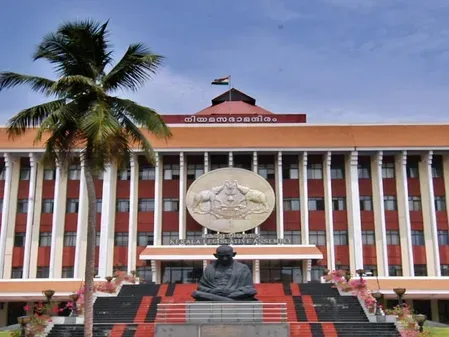
The dispute overlaps with the CPI 's unmet demand for the Deputy Leader of the Opposition post in the Kerala Assembly .
Past LDF flashpoints include a CPI cabinet boycott in 2017 and the PM-SHRI standoff in 2025 .
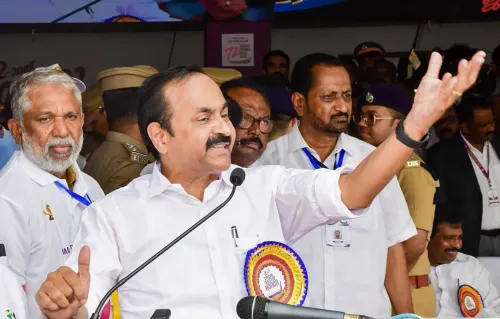
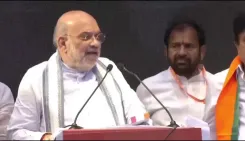
Senior CPI-M leader and former Kerala Finance Minister T. M. Thomas Isaac has publicly rebutted the Communist Party of India (CPI) over allegations that the CPI-M mouthpiece 'Chintha' distorted historical accounts of the Punnapra-Vayalar uprising, deepening a visible rift within Kerala's Left Democratic Front (LDF). The exchange, which unfolded on 2 November 2026, signals fresh tension between the two principal partners of the ruling left alliance.
What Triggered the Dispute
CPI leader T. J. Anjalose and others had alleged that the Punnapra-Vayalar special edition of Chintha failed to give adequate recognition to veteran CPI leader T. V. Thomas — a towering figure in the 1946 workers' uprising in what is now the Alappuzha region of Kerala. The allegations further charged that the publication had deliberately distorted historical facts.
Isaac, a two-time Finance Minister and CPI-M Central Committee member, dismissed these charges in a lengthy Facebook post as 'completely contrary to facts.'
Isaac's Point-by-Point Rebuttal
Isaac argued that a 3,000-word account of a historical event cannot be expected to cover every detail, and that omissions should not be conflated with deliberate distortion. He stated that the Chintha article had explicitly mentioned that the decision to launch the strike was taken by the All India Trade Union Congress (AITUC) council headed by T. V. Thomas.
He also noted that Thomas's role in challenging Sir C. P. Ramaswami Aiyar at a tripartite meeting at Bhakthivilasam had been highlighted in a photograph caption. On the question of Thomas being listed below C. K. Kumara Panicker in the directory of approximately 60 struggle leaders, Isaac explained that the photographs — barring that of P. Krishna Pillai — were arranged alphabetically.
A Question of Timing
Isaac also questioned why the CPI raised the issue only now. He said he had personally handed over a directory containing details of around 1,400 freedom fighters to the CPI office two years ago, inviting suggestions and corrections. Copies of the book were reportedly sent again to all CPI local committee offices in the Alappuzha and Cherthala taluks, but no feedback was received.
Broader Strains in the LDF Alliance
The public spat comes against the backdrop of an already strained relationship between the two parties. The CPI has been pressing for the post of Deputy Leader of the Opposition in the Kerala Legislative Assembly, a demand that the CPI-M has reportedly rejected. Tensions have flared at intervals throughout the decade of Pinarayi Vijayan's tenure as Chief Minister.
In 2017, four CPI ministers boycotted a Cabinet meeting over the Thomas Chandy issue. More recently, in 2025, the CPI strongly opposed the PM-SHRI agreement with the Centre, compelling the Kerala government to put its implementation on hold.
Isaac's unusually sharp public counter-attack on an allied party could further complicate the LDF's internal dynamics ahead of the next state assembly election.
Point of View
The Chintha row is a proxy battle for relevance within the LDF. Isaac's unusually combative public tone signals that the CPI-M is in no mood to offer institutional concessions under pressure.
NationPress
2 Nov 2026
Frequently Asked Questions
What is the Punnapra-Vayalar dispute between CPI-M and CPI about?
The row concerns whether the CPI-M's mouthpiece 'Chintha' gave adequate historical credit to veteran CPI leader T. V. Thomas in its special edition on the 1946 Punnapra-Vayalar workers' uprising. CPI leaders alleged deliberate distortion; CPI-M's T. M. Thomas Isaac rejected the charge as 'completely contrary to facts.'
Who is T. M. Thomas Isaac and why does his response matter?
T. M. Thomas Isaac is a two-time Kerala Finance Minister and CPI-M Central Committee member, one of the party's most prominent public intellectuals. His decision to issue a sharp, point-by-point rebuttal on Facebook — rather than letting it pass — signals that the CPI-M views the CPI's criticism as a political provocation, not merely a scholarly disagreement.
What other tensions exist between CPI-M and CPI within the LDF?
The two parties have clashed repeatedly: in 2017, four CPI ministers boycotted a Cabinet meeting over the Thomas Chandy issue; in 2025, the CPI opposed the PM-SHRI agreement, forcing the Kerala government to pause its implementation. The CPI is also currently pressing for the Deputy Leader of the Opposition post, a demand the CPI-M has reportedly rejected.
Why did Isaac question the timing of the CPI's allegations?
Isaac said he personally handed a directory of around 1,400 freedom fighters to the CPI office two years ago, seeking suggestions and corrections, and that copies were sent to all CPI local committee offices in Alappuzha and Cherthala taluks — but no feedback was received. He argued that raising objections only after publication suggested political rather than historical motivation.
What was the Punnapra-Vayalar uprising?
The Punnapra-Vayalar uprising of 1946 was a workers' revolt in the princely state of Travancore, in present-day Kerala, against the autocratic rule of Diwan Sir C. P. Ramaswami Aiyar. It is a foundational event in Kerala's left political tradition, and credit for its leadership is a longstanding source of historical contention between the CPI and CPI-M.