ISI rebuilding Kashmir terror network amid Pandit threat letters, IB warns
Synopsis
India's Intelligence Bureau has flagged a calculated ISI playbook: flood Kashmir with propaganda and threat letters to pin down security agencies, while nearly 1,000 militants reportedly wait in PoK for a window to cross the LoC. Officials warn the endgame could be a major strike on the scale of Pahalgam or Pulwama.
Key Takeaways
Intelligence Bureau officials warn that the ISI's propaganda surge in Jammu and Kashmir may be a deliberate smokescreen to facilitate terror infiltrations.
Proxy groups TRF and ULC have issued threat letters targeting Kashmiri Pandits , migrant workers, and local administration.
An estimated nearly 1,000 terrorists are reportedly waiting in Pakistan-occupied Kashmir (PoK) to cross the Line of Control .
The ISI has reportedly set up a new network of over-ground workers (OGWs) after the previous network was compromised.
Officials fear the ISI's multi-pronged strategy is designed to culminate in a major attack comparable to Pahalgam or Pulwama .
Post- Operation Sindoor , infiltration has been difficult, but officials warn that even a single security lapse could be exploited.
Pakistan's Inter-Services Intelligence (ISI) is reportedly orchestrating a multi-pronged campaign in Jammu and Kashmir — combining online propaganda, threat letters targeting Kashmiri Pandits, and a covert push to rebuild underground terror networks — even as Indian security agencies remain on heightened alert following Operation Sindoor, intelligence officials said on Friday, 28 August.
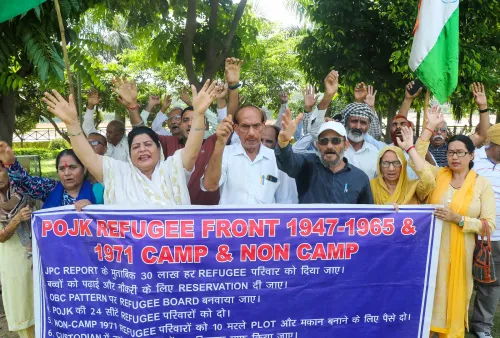
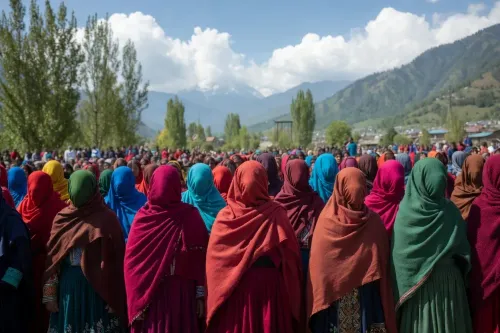
According to officials, proxy outfits including The Resistance Front (TRF) and the United Liberation Council (ULC) have circulated threat letters explicitly targeting Kashmiri Pandits, migrant workers, and local administration officials, warning them against returning to or remaining in the Valley.
The Smokescreen Strategy
An Intelligence Bureau (IB) official said that the initial assessment linked the surge in propaganda to the ISI's frustration over failed ground operations. However, that reading has since been revised.
'This could well be a smoke screen and a time-buying exercise so that the entire terror network can be rebuilt in Jammu and Kashmir,' the IB official said.
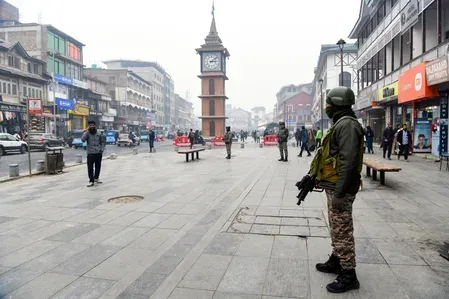
Officials believe the propaganda offensive serves a dual purpose: generating fear and panic in the Valley while keeping Indian security agencies occupied across multiple fronts — thereby creating a window for fresh infiltrations across the Line of Control (LoC).
Nearly 1,000 Terrorists Reportedly Waiting in PoK
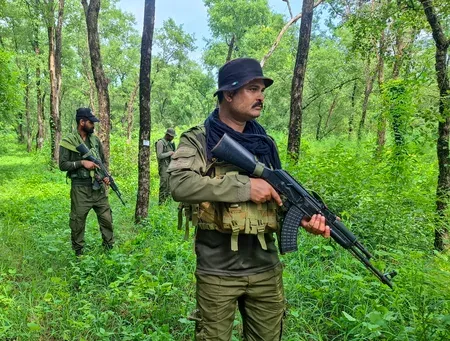
In recent months, the ISI has reportedly rebuilt much of its operational network, with an estimated nearly 1,000 terrorists believed to be waiting in Pakistan-occupied Kashmir (PoK) for an opportunity to cross into Jammu and Kashmir. According to intelligence officials, the plan involves concealing infiltrators in dense forest areas before directing them toward specific targets.
The ISI has also reportedly established a new network of over-ground workers (OGWs) after the previous network came under the radar of Indian security agencies. 'The old guard was replaced as they had come under the radar of the Indian security agencies,' an official said.
Threat Letters and Lone-Actor Risk
The recent messages issued by TRF and ULC have called not only for attacks on Kashmiri Pandits but also for targeting migrant workers, destroying crops, and setting homes on fire. Officials characterise these as deliberate instigation tactics designed to radicalise local youth and potentially trigger lone-actor violence.
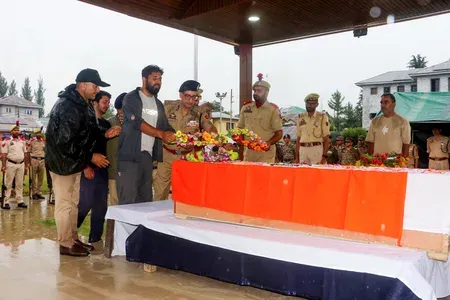
'The ISI also anticipates that by instigating the people, it could lead to the creation of lone actors,' an official said. This comes amid a recent uptick in targeted killings, including attacks on a policeman and migrant workers in the Valley.
Post-Operation Sindoor: High Alert, But Vulnerabilities Remain
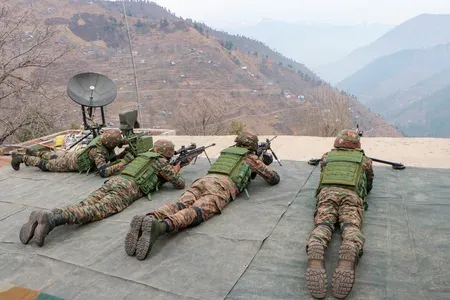
Following Operation Sindoor, Indian security forces have maintained a state of high alert, significantly complicating cross-LoC infiltration attempts. Officials acknowledge, however, that the current headcount of active terrorists in the Valley is low — a situation the ISI is actively working to reverse.
'The Pakistani spy agency is aware that once the terrorists manage to slip in and then enter the forests, it would be very hard to track them down,' an official said. Dense terrain makes combing operations difficult, and the communication technology used by terror operatives to liaise with handlers has proven hard to trace.
'All the ISI needs is one slip-up or lapse,' the official warned, adding that security agencies must remain on sustained high alert as propaganda campaigns intensify. Officials fear the ISI's larger objective is to engineer a major strike comparable in scale to the Pahalgam or Pulwama attacks.
Point of View
Then exploit the gaps for physical infiltration. What is new this time is the explicit targeting of Kashmiri Pandits and migrant workers as instigation fodder — a shift from operational targets to social engineering. With nearly 1,000 militants reportedly staged in PoK and a fresh OGW network in place, the infrastructure for a large-scale strike is being quietly assembled. The Pahalgam and Pulwama comparisons are not rhetorical; they signal that intelligence agencies are tracking a specific escalation trajectory, not a general threat environment.
NationPress
12 Oct 2026
Frequently Asked Questions
What is the ISI's current strategy in Jammu and Kashmir according to intelligence officials?
According to Intelligence Bureau officials, the ISI is running a multi-pronged campaign that combines online propaganda, threat letters against Kashmiri Pandits and migrant workers, and a covert effort to rebuild its terror network in Jammu and Kashmir. The propaganda is believed to be a smokescreen designed to keep Indian security agencies occupied while facilitating fresh infiltrations across the Line of Control.
Why are Kashmiri Pandits being targeted by terror groups like TRF and ULC?
Proxy groups TRF and ULC have issued threat letters warning Kashmiri Pandits against returning to the Valley, alongside calls to target migrant workers and destroy property. Officials say these are deliberate instigation tactics aimed at creating fear, provoking local youth, and potentially generating lone-actor violence — all while diverting security agencies' attention.
How many terrorists are reportedly waiting to infiltrate Jammu and Kashmir?
Intelligence officials say nearly 1,000 terrorists are reportedly waiting in Pakistan-occupied Kashmir (PoK) for an opportunity to cross the Line of Control. The ISI's reported plan is to infiltrate them in small groups and conceal them in dense forest areas before directing them toward attack targets.
What impact has Operation Sindoor had on infiltration attempts?
Following Operation Sindoor, Indian security forces have been on sustained high alert, which has significantly disrupted cross-LoC infiltration attempts and kept the active terrorist headcount in the Valley low. However, officials caution that dense forest terrain and hard-to-trace communication technology mean that even a single security lapse could allow militants to establish a foothold.
How does the current ISI threat compare to the Pahalgam and Pulwama attacks?
Intelligence officials have explicitly flagged that the ISI's current multi-pronged strategy — combining propaganda, OGW networks, and staged militants in PoK — appears designed to build toward a major strike comparable in scale to the Pahalgam or Pulwama attacks. The comparison signals that agencies are tracking a specific escalation pattern, not a routine threat.