PoK unrest: ISI activates terror launchpads, 300 militants on standby for J&K

Synopsis
With PoK in turmoil and Pakistani security forces accused of atrocities, the ISI is reportedly treating the crisis as operational cover — activating Lashkar launchpads in Muzaffarabad and Rawalkot, where an estimated 300 militants wait. The endgame, officials say, is a civilian-targeting strike in J&K to revive terror recruitment and deflect from Pakistan's own internal meltdown.
Key Takeaways
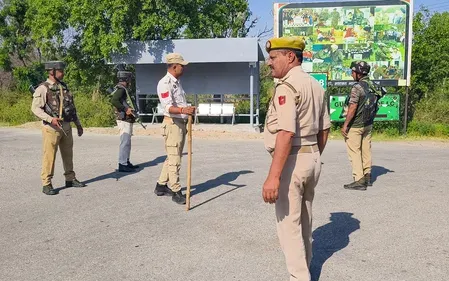
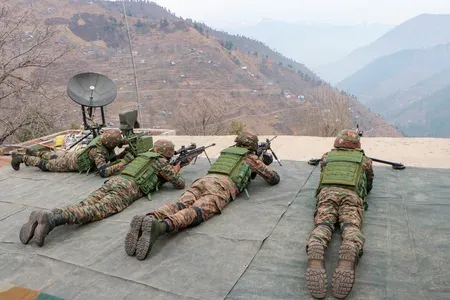
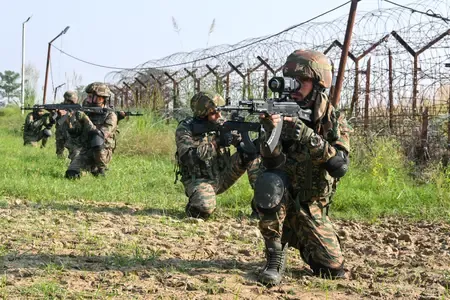
High alert sounded along the entire Line of Control (LoC) amid fears the ISI will exploit PoK unrest for infiltration.
An estimated 300 militants are reportedly positioned at Lashkar-e-Taiba launchpads in Muzaffarabad and Rawalkot , both within 15–40 km of the Indian LoC.
The Resistance Front (TRF) , named in the NIA chargesheet for the Pahalgam attack , is reportedly planning a similar civilian-targeting strike.
The ISI is allegedly mapping J&K tourist spots to target the region's economic lifeline following the tourism slump after the Pahalgam attack.
A major strike would also help the ISI deflect attention from internal crises in Balochistan and PoK and boost flagging terror recruitment.
Pakistan's Inter-Services Intelligence (ISI) is reportedly exploiting the ongoing civil unrest in Pakistan-occupied Kashmir (PoK) to accelerate infiltration attempts into Jammu and Kashmir, with security agencies estimating that approximately 300 militants are currently positioned at launchpads in Muzaffarabad and Rawalkot, according to officials. A high alert has been sounded along the entire Line of Control (LoC) as agencies brace for intensified cross-border pressure.
The PoK Unrest and the ISI Opportunity
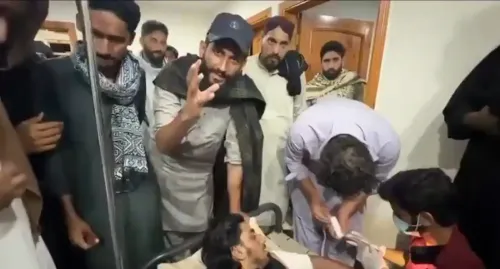
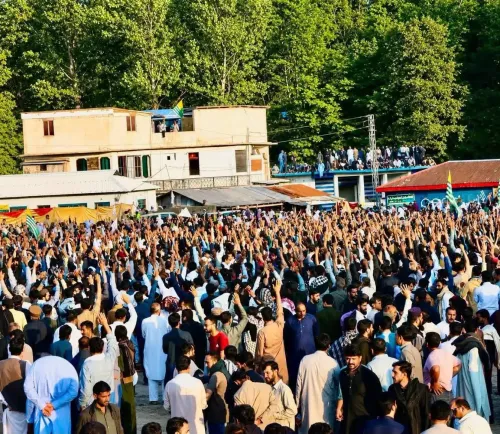
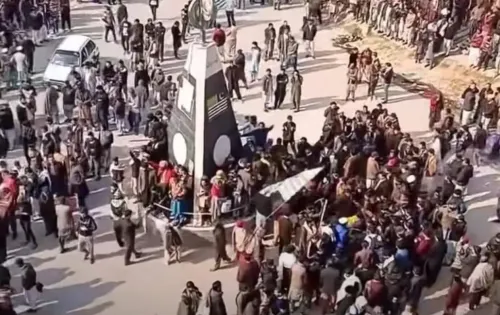
Protests in PoK have shown no signs of abating, with demonstrators in Muzaffarabad and Rawalkot — located roughly 15 to 40 km from the Indian side of the LoC — accusing Pakistani security forces of alleged atrocities and shortages of food and medicines. Despite repeated crackdowns, the agitation has remained firm.
Intelligence officials say the ISI is now looking to weaponise this humanitarian strain. 'The ISI is looking to take advantage of the ongoing crisis and send its terrorists into Jammu and Kashmir,' an official said. The strategy, according to assessments, involves pressuring PoK residents living close to the LoC to create a humanitarian crisis that could stress India's border security mechanism — and potentially create gaps for infiltration.
Launchpads and the Lashkar Threat
Lashkar-e-Taiba (LeT) maintains launchpads at five locations in PoK — Muzaffarabad, Koti, Bhimber, Bagh, and Rawalkot. Officials say the ISI is expected to activate the Muzaffarabad and Rawalkot sites amid the current turmoil. An Intelligence Bureau official stated that around 300 terrorists are waiting at these two launchpads, and that even successfully slipping in 10 militants is considered a major operational win by the ISI.
The LeT's proxy outfit, The Resistance Front (TRF) — explicitly named in the National Investigation Agency (NIA) chargesheet in the Pahalgam attack — is reportedly keen to carry out a similar civilian-targeting strike. Officials note that such attacks are tactically preferred by the ISI because hardened military and security installations have been significantly fortified, making direct assaults far more difficult.
Tourism Sector in the Crosshairs
Following the Pahalgam terror attack, tourism in Jammu and Kashmir witnessed a sharp decline — a severe blow to the region's primary economic driver. Officials warn that the ISI has been mapping major tourist spots in J&K to plan fresh strikes against civilians. 'Targeting the tourism sector directly affects the livelihoods of thousands of people in Jammu and Kashmir. The ISI's objective is to create economic distress and discontent, hoping it will push some people back towards violence, stone-pelting and other activities aimed at disrupting peace and normalcy in the Union Territory,' an official said.
Why a Major Strike Matters to Pakistan
A successful attack in J&K would serve multiple strategic purposes for the ISI, according to officials. It would boost the morale of groups such as Lashkar and Jaish-e-Mohammad (JeM), aid recruitment — which has reportedly declined significantly in recent months — and act as a diversion from Pakistan's own mounting internal crises, including unrest in Balochistan and PoK itself.
Officials also noted that the Pahalgam attack last year triggered Operation Sindoor, which reportedly cost Pakistan heavily. Nevertheless, the ISI faces intense pressure from its proxies to demonstrate operational relevance. 'Hence, carrying out a big strike is important for the ISI,' an official said. Indian security agencies are maintaining close surveillance of all border areas as the situation in PoK continues to evolve.
Point of View
Signalling a shift from military-facing to economy-facing terrorism. The Pahalgam attack and Operation Sindoor showed that civilian-targeting carries geopolitical consequences for Pakistan, yet the pressure from Lashkar and JeM appears to outweigh that deterrence. India's challenge is not just border security — it is preventing the ISI from engineering an economic siege of J&K through fear, one tourist cancellation at a time.
NationPress
6 Oct 2026
Frequently Asked Questions
Why is the ISI trying to infiltrate militants into J&K now?
According to officials, the ISI is exploiting the ongoing civil unrest in PoK — where protests over alleged atrocities and shortages have intensified — as cover for infiltration attempts. The agency also faces pressure from proxy groups like Lashkar-e-Taiba and Jaish-e-Mohammad to carry out a high-profile attack following the setbacks of Operation Sindoor.
How many militants are reportedly waiting to infiltrate into Jammu and Kashmir?
An Intelligence Bureau official stated that approximately 300 terrorists are positioned at Lashkar-e-Taiba launchpads in Muzaffarabad and Rawalkot in PoK. The ISI considers even 10 successful infiltrations a major operational achievement.
What is The Resistance Front and why is it significant here?
The Resistance Front (TRF) is a proxy outfit of Lashkar-e-Taiba and was explicitly named in the NIA chargesheet related to the Pahalgam terror attack. Officials say TRF is now looking to carry out a similar civilian-targeting strike in Jammu and Kashmir.
Why is the ISI targeting J&K's tourism sector?
Officials say the ISI has been identifying major tourist spots in J&K to plan attacks on civilians, aiming to cripple the region's primary economic driver. Following the Pahalgam attack, tourism in J&K had already dropped sharply, and the ISI reportedly seeks to deepen that economic distress to foment discontent.
Where are the Lashkar-e-Taiba launchpads in PoK located?
Lashkar-e-Taiba maintains launchpads at five locations in PoK: Muzaffarabad, Koti, Bhimber, Bagh, and Rawalkot. Muzaffarabad and Rawalkot are of particular concern as they are closest to the Indian side of the LoC, at roughly 15 to 40 km distance.