Swachh Shauchalay campaign launched on World Toilet Day, runs till Dec 10
Synopsis
Launched on World Toilet Day 2026 and running until Human Rights Day, the Jal Shakti Ministry's 'Swachh Shauchalay – Garimamay Bhavishya' campaign targets rural sanitation gaps with a sharp focus on women, girl students, Divyangjan, and school children — framing toilet access not as infrastructure but as a fundamental rights imperative.
Key Takeaways
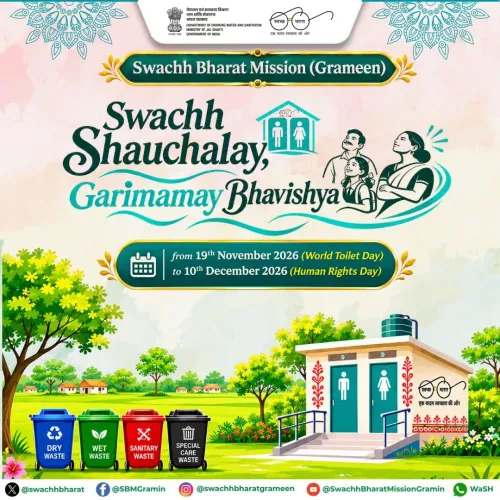
The Jal Shakti Ministry's DDWS launched the Swachh Shauchalay – Garimamay Bhavishya (SSGB) campaign on 19 November 2026 — World Toilet Day.
The campaign runs until 10 December 2026 (Human Rights Day) under Swachh Bharat Mission-Grameen .
Priority groups include women , girl students , and Divyangjan , aligned with the UN theme 'Safe toilets.
School children will be engaged as future sanitation custodians, including through school sanitation audits .
Objectives include upgrading Community Sanitary Complexes (CSCs) , village toilet retrofitting, and planning mechanised desludging .
States and UTs have been asked to coordinate with School Management Committees and stakeholders for Jan Bhagidari-driven implementation.
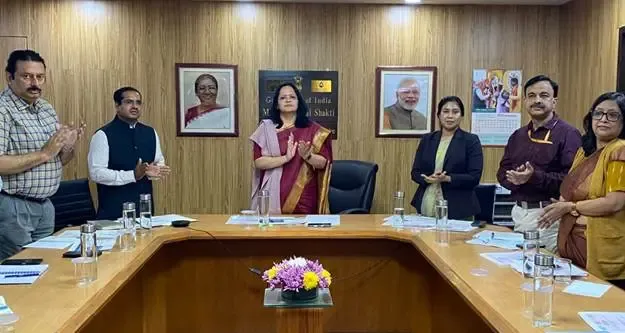
The Department of Drinking Water and Sanitation (DDWS) under the Jal Shakti Ministry launched the 'Swachh Shauchalay – Garimamay Bhavishya' (SSGB) campaign on World Toilet Day, 19 November 2026, as part of the Swachh Bharat Mission-Grameen (SBM-G). The nationwide initiative will run through 10 December 2026, culminating on Human Rights Day, underscoring the government's framing of sanitation as a fundamental rights issue.
Campaign Goals and Focus Areas
Aishvarya Singh, Joint Secretary and National Mission Director of Swachh Bharat Mission (Grameen), said the SSGB campaign has been designed around the twin pillars of dignity and universal sanitation access. The campaign places particular emphasis on women, girl students, and Divyangjan (persons with disabilities), aligning with the United Nations theme for World Toilet Day 2026: 'Safe toilets. Equal futures', which directly links sanitation to gender equality.
Notably, the campaign also targets school children as future custodians of sanitation practices. Singh called on State and Union Territory SBM-G teams to coordinate with School Management Committees and relevant government departments to facilitate student participation, including in school sanitation audits.
Key Objectives of the SSGB Drive
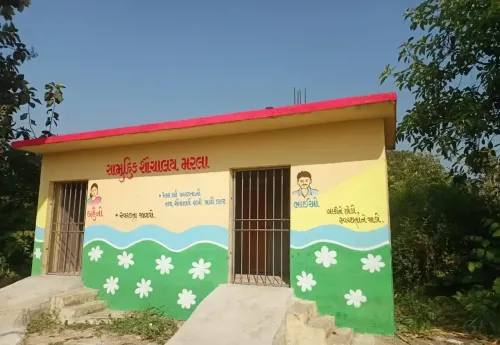
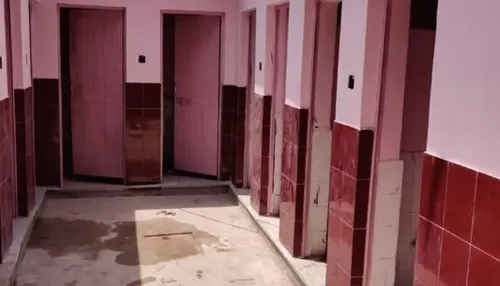
The campaign's operational objectives span assessment and improvement of sanitation infrastructure across rural India. These include evaluating the status of Community Sanitary Complexes (CSCs) and institutional toilets, assessing toilet typology in villages for retrofitting, planning mechanised desludging, and encouraging communities to transform CSCs into clean, welcoming and well-maintained spaces.
Singh also highlighted the importance of functional CSCs at high-footfall locations, including tourist destinations, noting their direct impact on visitor experience and indirect contribution to local economies.
Community Participation at the Centre
The e-launch of the campaign concluded with an appeal to all States and Union Territories to ensure broad stakeholder engagement, with the government describing the drive as a Jan Bhagidari (people's participation) initiative for Sampoorna Swachhata (total sanitation). The campaign's close alignment with both Human Rights Day and World Toilet Day signals an effort to embed rural sanitation work within a wider human rights and gender equity framework.
With the SSGB campaign active through December, states will be expected to report progress on CSC upgrades, school sanitation audits, and community mobilisation before the closing date.
Point of View
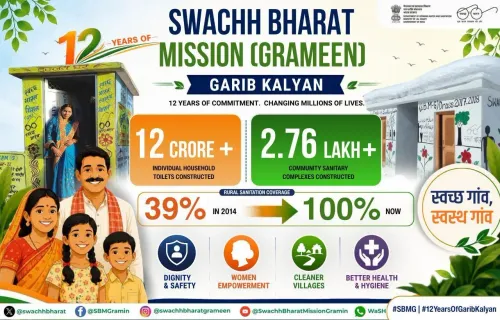
Which is harder to dispute and easier to mobilise communities around. The focus on school children as 'future custodians' is an underappreciated strategy: behaviour change at the household level has historically been driven by children nudging parents, not by top-down mandates. The harder question is whether the CSC assessment and mechanised desludging objectives will produce verifiable data or remain aspirational — SBM-G's tracking record on functional (versus merely constructed) toilets has drawn scrutiny in the past. The campaign's real value will be measured not at launch but on 10 December, when state-level compliance data surfaces.
NationPress
20 Nov 2026
Frequently Asked Questions
What is the Swachh Shauchalay – Garimamay Bhavishya campaign?
It is a nationwide rural sanitation campaign launched by the Jal Shakti Ministry's Department of Drinking Water and Sanitation on 19 November 2026 — World Toilet Day. Running under Swachh Bharat Mission-Grameen, it focuses on improving Community Sanitary Complexes, school toilets, and sanitation access for women, girl students, and Divyangjan.
When does the SSGB campaign run and when does it end?
The campaign began on 19 November 2026 and will run until 10 December 2026, which is Human Rights Day. The dates were chosen to anchor the drive between two globally recognised days linked to dignity and rights.
Who are the key target groups of this campaign?
The campaign prioritises women, girl students, and Divyangjan (persons with disabilities), reflecting the UN's World Toilet Day 2026 theme of 'Safe toilets. Equal futures.' School children are also central, being engaged as future custodians of sanitation practices and participants in school sanitation audits.
What are the specific objectives of the SSGB campaign?
The campaign aims to assess and upgrade Community Sanitary Complexes and institutional toilets, evaluate village toilet typology for retrofitting, plan mechanised desludging, and encourage communities to maintain clean and accessible sanitation facilities, particularly in high-footfall and tourist locations.
How does this campaign connect to Swachh Bharat Mission-Grameen?
The SSGB campaign operates as a focused drive under Swachh Bharat Mission-Grameen, the Centre's flagship rural sanitation programme. It extends SBM-G's core goals by targeting infrastructure quality, community participation (Jan Bhagidari), and behaviour change — going beyond toilet construction to functional use and maintenance.