J&K power tariff hike: PDP, Apni Party protest in Srinagar as JERC clears 6.83% rise
Synopsis
Two opposition parties hit the streets in Srinagar over a 6.83% electricity tariff hike — but the most damaging blow came from inside the ruling National Conference itself. Sitting NC Lok Sabha MP Aga Syed Ruhullah Mehdi threatened to resign, saying the government had acted 'diametrically against' its own manifesto promise of free power. With revised rates kicking in on 1 September, Omar Abdullah faces a rare dual-front crisis.
Key Takeaways
The JERC approved an average 6.83% hike in retail electricity tariffs for JPDCL and KPDCL , effective 1 September .
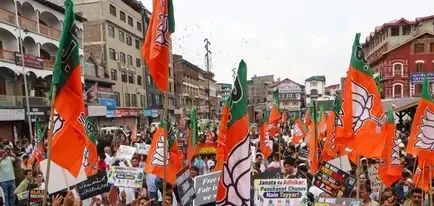
The PDP (led by Mehbooba Mufti ) and J&K Apni Party (led by Syed Altaf Bukhari ) held separate protests in Srinagar on 24 August .
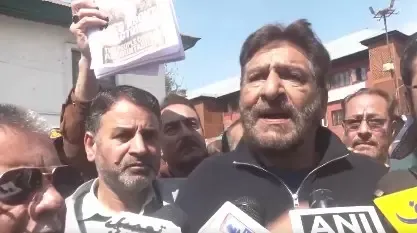
J&K Apni Party leader Muhammad Ashraf Mir led a demonstration at Press Enclave, Residency Road .
NC Lok Sabha MP Aga Syed Ruhullah Mehdi threatened to resign, citing the government's failure to honour its free-electricity promise.
Both opposition parties have demanded the Omar Abdullah -led government roll back the tariff revision before it takes effect.
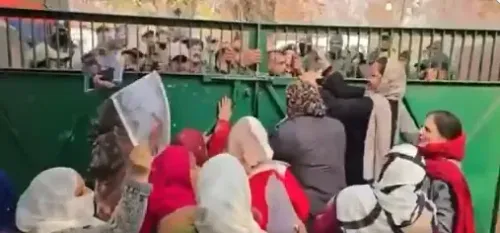
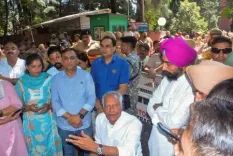
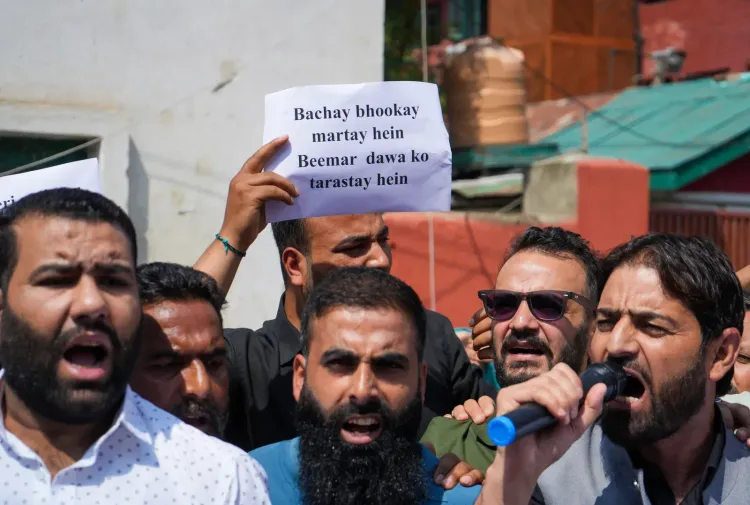
The Peoples Democratic Party (PDP), led by former Chief Minister Mehbooba Mufti, and the J&K Apni Party, led by former minister Syed Altaf Bukhari, held separate protests in Srinagar on Monday, 24 August against a recent hike in electricity tariffs. The demonstrations came days after the Joint Electricity Regulatory Commission (JERC) approved an average 6.83% increase in retail power tariffs for JPDCL and KPDCL, with revised rates set to take effect from 1 September.
How the Protests Unfolded
The PDP held its demonstration at the party's headquarters, where leaders and workers carrying banners and placards raised slogans against the National Conference (NC)-led government. Party members accused the administration of burdening ordinary consumers with higher charges and questioned the decision to raise tariffs despite electoral promises of free electricity.
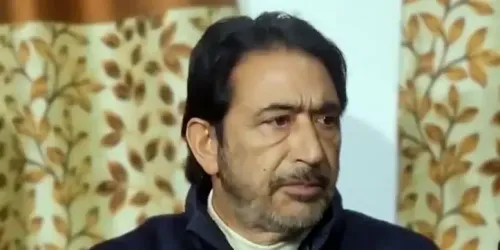
At Press Enclave on Residency Road, J&K Apni Party leader Muhammad Ashraf Mir led a parallel protest. Workers carrying placards chanted slogans opposing the tariff revision, including the slogan 'Omar Teri Sarkar Mein Andhera Hi Andhera Hai' — a direct dig at Chief Minister Omar Abdullah. Both parties demanded that the government roll back the hike and shield consumers from additional financial strain.
What the JERC Order Means for Consumers
The JERC order sanctioned an average 6.83% upward revision in retail electricity tariffs applicable to the distribution companies JPDCL and KPDCL, which together serve consumers across Jammu & Kashmir. The revised rates are scheduled to come into force from 1 September, meaning household and commercial electricity bills will rise within days unless the government intervenes.
Critics argue the timing is particularly sensitive given that the NC had campaigned on a promise of free electricity ahead of the assembly elections — a pledge that opposition parties say has now been directly contradicted.
Dissident NC MP Threatens Lok Sabha Resignation
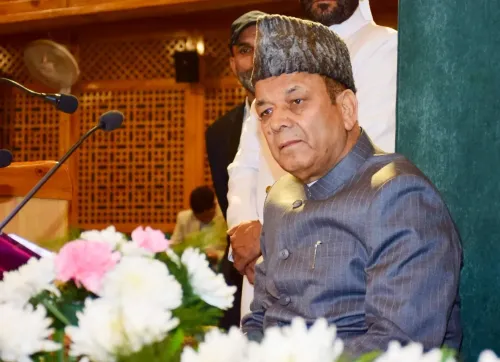
The sharpest rebuke came from within the ruling alliance itself. Aga Syed Ruhullah Mehdi, a National Conference Lok Sabha member who has previously broken ranks with the party leadership, strongly criticised the Omar Abdullah-led government for what he called a betrayal of its electoral mandate.
Ruhullah told reporters he was considering resigning from the Lok Sabha, stating that he had not been able to fulfil the promises made by his party in its manifesto. His remarks signal a deepening rift within the NC at a politically delicate moment for the newly formed J&K government.
Political Context and What Comes Next
This is not the first time electricity pricing has triggered political turbulence in Jammu & Kashmir. Power subsidies and tariff structures have historically been a flashpoint in the region, where supply reliability remains a persistent concern. The fact that opposition from within the NC itself is now visible — with a sitting MP threatening resignation — adds unusual pressure on the Abdullah government.
Both the PDP and the Apni Party are expected to escalate their agitation if the government does not respond before the 1 September implementation date. All eyes are now on whether Chief Minister Omar Abdullah will order a review of the JERC decision or allow the revised tariffs to take effect as scheduled.
Point of View
However, is the internal fracture: a sitting NC MP threatening to quit the Lok Sabha is not routine dissent — it is a signal that the party's own cadre feels the manifesto has been abandoned. If the government lets the 1 September deadline pass without a corrective, it risks cementing a narrative of broken promises that could shadow its entire term.
NationPress
8 Oct 2026
Frequently Asked Questions
Why are PDP and J&K Apni Party protesting in Srinagar?
Both parties are protesting against a JERC-approved 6.83% hike in retail electricity tariffs for Jammu & Kashmir, set to take effect from 1 September. They argue the increase contradicts the National Conference government's election promise of free electricity and places an undue financial burden on consumers.
What did the JERC approve regarding electricity tariffs in J&K?
The Joint Electricity Regulatory Commission (JERC) approved an average 6.83% increase in retail electricity tariffs applicable to JPDCL and KPDCL, the two distribution companies serving Jammu & Kashmir. The revised rates are scheduled to come into force on 1 September.
Who is Aga Syed Ruhullah Mehdi and why is he threatening to resign?
Aga Syed Ruhullah Mehdi is a National Conference Lok Sabha member who has publicly criticised the Omar Abdullah-led government for reneging on its electoral promise of free electricity. He told reporters he is considering resigning from the Lok Sabha, saying he has not been able to fulfil the promises his party made in its manifesto.
What did J&K Apni Party leader Muhammad Ashraf Mir say at the protest?
Muhammad Ashraf Mir led the Apni Party protest at Press Enclave on Residency Road in Srinagar, where workers raised slogans opposing the tariff revision. Protesters chanted 'Omar Teri Sarkar Mein Andhera Hi Andhera Hai', directly targeting Chief Minister Omar Abdullah over the power tariff hike.
What happens if the government does not roll back the electricity tariff hike?
The revised tariffs are set to take effect from 1 September, meaning consumers across Jammu & Kashmir will face higher electricity bills. Both the PDP and J&K Apni Party have indicated they will escalate their agitation if the Omar Abdullah government does not act before the implementation date.