J&K electricity tariff hiked 6.83% from September 1, 2026
Synopsis
J&K consumers face a 6.83% electricity bill hike from 1 September 2026 — but the real story is what was avoided: JERC-JKL found a ₹2,922.85 crore revenue gap that would have required a 40% tariff jump. A ₹2,420.78 crore government subsidy softened the blow, even as the ruling NC's manifesto promise of 200 free units for BPL households remains undelivered.
Key Takeaways
JERC-JKL approved a 6.83 per cent average hike in retail electricity tariffs for J&K , effective 1 September 2026 through 31 March 2027 .
Domestic energy charges are now ₹2.45/unit (up to 200 units), ₹4.20/unit (201–400 units), and ₹4.60/unit (above 400 units).
The combined revenue shortfall of JPDCL and KPDCL was assessed at ₹2,922.85 crore ; bridging it fully would have required a ~40% hike.
The J&K government committed ₹2,420.78 crore in financial support to limit the consumer-facing increase to 6.83 per cent .
PDP , Apni Party , and Peoples Conference are protesting the revision; the ruling NC 's promise of 200 free units for BPL consumers remains unfulfilled.
Chief Minister Omar Abdullah has said the free-power pledge will be met via subsidised solar units , but no clarity exists on how BPL households will fund the mandatory 50 per cent installation cost.
Electric power consumers across Jammu and Kashmir began paying 6.83 per cent higher electricity bills from 1 September 2026, after the Joint Electricity Regulatory Commission for Jammu and Kashmir and Ladakh (JERC-JKL) approved a revised retail tariff for the 2026-27 financial year. The revised rates apply to all electricity consumed between 1 September 2026 and 31 March 2027.
Revised Tariff Slabs for Domestic Consumers
For metered domestic consumers, the energy charge has been fixed at ₹2.45 per unit for monthly consumption up to 200 units, ₹4.20 per unit for consumption between 201 and 400 units, and ₹4.60 per unit for consumption above 400 units. The fixed charge has been revised to ₹10 per kW per month.
The revised tariff also introduces Time-of-Day (ToD) billing for consumers with a sanctioned load exceeding 10 kW, excluding those in the agricultural category. Under this system, electricity charges vary depending on whether power is consumed during designated peak or off-peak periods.
Why the Hike Was Unavoidable, According to JERC
The tariff revision follows the commission's assessment of the combined revenue requirements of the Jammu Power Distribution Corporation Limited (JPDCL) and the Kashmir Power Distribution Corporation Limited (KPDCL). According to the commission's order, the two distribution companies together require ₹10,275.72 crore annually, while projected revenue at existing tariff levels stood at only ₹7,352.87 crore — leaving a shortfall of ₹2,922.85 crore.
The commission noted that bridging the entire gap through consumer tariffs alone would have necessitated an increase of roughly 40 per cent. To limit the burden, the Jammu and Kashmir government committed financial support of ₹2,420.78 crore, bringing the average hike down to 6.83 per cent.
Political Backlash and the Broken Manifesto Promise
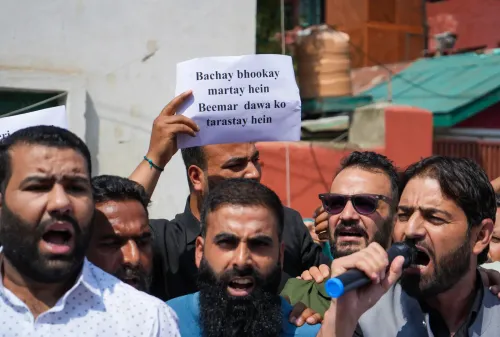
The revision has drawn sharp political opposition. The Peoples Democratic Party (PDP), Jammu and Kashmir Apni Party, and the Peoples Conference have been carrying out protests against the hike. Critics have pointed to the ruling National Conference (NC)'s election manifesto, which had promised 200 units of free electricity to below poverty line (BPL) consumers — a commitment that remains unfulfilled.
Chief Minister Omar Abdullah has since said the promised free power for weaker sections will be delivered through solar generating units installed via bank loans, with the J&K government providing a subsidy on those units. However, critics argue this approach raises serious questions of accessibility: the national scheme for rooftop solar requires beneficiaries to fund 50 per cent of installation costs from their own resources, a condition that many BPL households are unlikely to meet.
What Comes Next
With no clarity yet on how the solar subsidy route will work for the poorest consumers, the political pressure on the Abdullah administration is unlikely to ease. The revised tariff structure will remain in force through 31 March 2027, after which JERC-JKL is expected to conduct its next annual review.
Point of View
922.85 crore hole that would have required a 40% tariff hike without government intervention. The subsidy buys political breathing room, but it does not fix the structural losses that keep JPDCL and KPDCL perpetually dependent on state support. Meanwhile, the NC's solar-unit workaround for its free-electricity promise is a policy sleight of hand — routing a welfare commitment through a bank-loan-and-subsidy mechanism that explicitly requires BPL beneficiaries to self-fund half the installation cost defeats the purpose entirely. Opposition protests are justified, but the harder question — why J&K's distribution companies cannot cover even 72% of their own costs — is the one no party is asking.
NationPress
17 Oct 2026
Frequently Asked Questions
How much has the electricity tariff increased in Jammu and Kashmir?
The JERC-JKL has approved an average increase of 6.83 per cent in retail electricity tariffs for J&K for the 2026-27 financial year. The revised rates are effective from 1 September 2026 through 31 March 2027.
What are the new electricity rates for domestic consumers in J&K?
For metered domestic consumers, the energy charge is ₹2.45 per unit for monthly consumption up to 200 units, ₹4.20 per unit for 201 to 400 units, and ₹4.60 per unit for consumption above 400 units. The fixed charge has been revised to ₹10 per kW per month.
Why was the electricity tariff in J&K not hiked by 40 per cent?
JERC-JKL assessed a combined revenue shortfall of ₹2,922.85 crore for JPDCL and KPDCL, which would have required roughly a 40% tariff hike to cover fully. The J&K government stepped in with a financial commitment of ₹2,420.78 crore, bringing the consumer-facing increase down to 6.83 per cent.
What is the controversy over the NC's free electricity promise?
The ruling National Conference had promised 200 units of free electricity to below poverty line consumers in its election manifesto, but this commitment remains unfulfilled. Chief Minister Omar Abdullah has said the pledge will now be met through subsidised solar generating units, though critics point out that the national scheme requires BPL beneficiaries to fund 50 per cent of installation costs themselves — a condition most cannot meet.
What is Time-of-Day billing and who does it affect in J&K?
Time-of-Day (ToD) billing is a system where electricity charges vary based on when power is consumed, with different rates for peak and off-peak periods. Under the revised J&K tariff, ToD billing applies to consumers with a sanctioned load exceeding 10 kW, excluding those in the agricultural category.