J&K EV Policy 2026: 1.40 lakh EVs, 900 charging sites by 2032
Synopsis
Jammu and Kashmir has notified its first comprehensive EV policy, setting a 2032 target of 1.40 lakh electric vehicles backed by 900 charging sites and a rare winter-performance validation protocol. With ₹50 crore in annual scrappage incentives and top-up grants for early buyers, the Omar Abdullah government is making a structured, terrain-specific bet on clean mobility.
Key Takeaways
The J&K Electric Vehicle Policy-2026 was formally notified on 1 October 2026 , covering the period 2026–32 .
Target: 1.40 lakh EVs across all 20 districts of Jammu and Kashmir by 2032 .
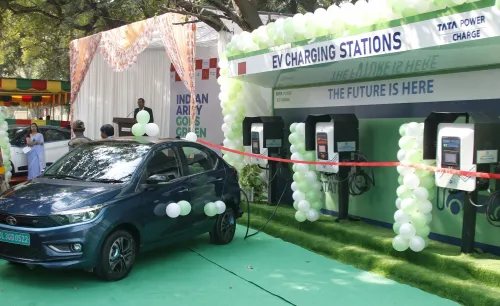
900 public charging sites planned, including 140 fast-charging hubs on urban grids and highway corridors.
A Specialised Winter Validation Protocol will test EVs in snow and sub-zero conditions — a first-of-its-kind provision in India.
Early-adopter incentives: ₹15 lakh for the first 300 e-buses , ₹1 lakh for the first 1,500 cars , ₹5,000 for the first 10,000 two-wheelers .
Annual ₹50 crore scrappage-linked fund and 3–5% interest subvention on EV loans for up to 36 months .
The Jammu and Kashmir government on 1 October 2026 formally notified the J&K Electric Vehicle Policy-2026, following its approval by the Council of Ministers chaired by Chief Minister Omar Abdullah. The policy lays out a six-year roadmap (2026–32) to expand clean, affordable and weather-resilient electric mobility across all 20 districts of the union territory.
Targets and Scope
The policy sets a headline target of 1.40 lakh electric vehicles on J&K roads by 2032. It covers the full spectrum of EV adoption — from personal two-wheelers and cars to public e-buses — backed by demand incentives, climate-specific infrastructure, power-grid integration, public-private partnerships, and skill development. This is the union territory's first comprehensive EV framework since its reorganisation.
Charging Infrastructure and Winter-Readiness
The strategic infrastructure roadmap envisages 900 public charging sites, including 140 fast-charging hubs across urban grids and highway corridors. Building bye-laws will mandate EV-readiness for 20 per cent of parking capacity in new constructions. Recognising J&K's harsh winters, the policy introduces a Specialised Winter Validation Protocol under which EVs must clear performance tests for snow and sub-zero conditions before being deployed — a provision rarely seen in EV policies of other Indian states or union territories.
Financial Incentives for Early Adopters
To stimulate demand, the policy offers a 3–5 per cent interest subvention on EV loans for up to 36 months. An annual scrappage-linked incentive of ₹50 crore will fund replacement of older, polluting vehicles with electric alternatives. Early-adopter top-up incentives are reserved for the first 15,800 eligible buyers: ₹15 lakh for the first 300 e-buses, ₹1 lakh for the first 1,500 personal cars, and ₹5,000 for the first 10,000 two-wheelers, subject to eligibility conditions.
Government Response and Next Steps
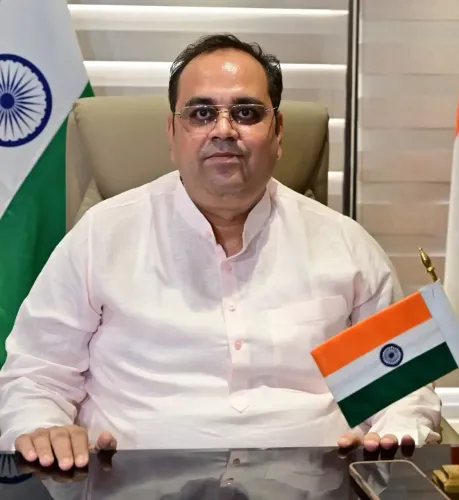
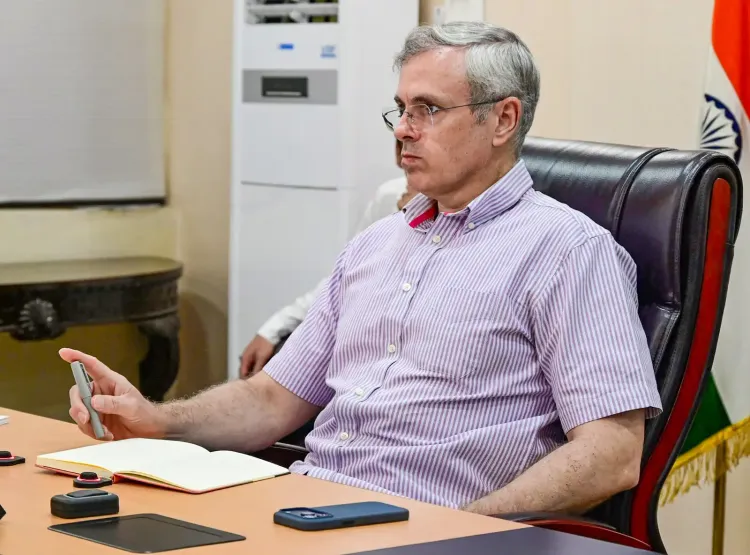
Chief Minister Omar Abdullah congratulated Transport Minister Satish Sharma and the Transport Department on the notification. Abdullah said the policy provides 'a structured framework for advancing clean transport while taking into account the specific terrain and cold-weather conditions of Jammu and Kashmir.' The policy envisages phase-wise fleet electrification, expansion of charging networks, greater private-sector participation, and development of a skilled EV workforce. This comes amid India's broader push toward EV adoption under national programmes, with J&K now formalising its own tailored strategy given its unique geography and grid constraints.
Point of View
Gaps that national EV schemes have historically ignored for high-altitude and cold-climate regions. The ₹50 crore annual scrappage fund is a credible fiscal signal, though its actual disbursement will depend on budget allocations that a union territory does not fully control. The early-adopter incentive cap at 15,800 beneficiaries risks exhausting quickly, leaving latecomers with only loan subvention — which, at 3–5%, may not move the needle against high EV sticker prices in a low-income geography. The policy's real test will be whether private-sector investment in charging infrastructure follows government mandates, or whether the 900 charging-site target ends up as another aspirational number.
NationPress
1 Oct 2026
Frequently Asked Questions
What is the J&K Electric Vehicle Policy-2026?
The J&K Electric Vehicle Policy-2026 is a six-year government roadmap (2026–32) to accelerate EV adoption across all 20 districts of Jammu and Kashmir. It was notified on 1 October 2026 after approval by the Council of Ministers chaired by Chief Minister Omar Abdullah, targeting 1.40 lakh EVs and 900 public charging sites by 2032.
What financial incentives are available under the J&K EV Policy?
The policy offers early-adopter top-up incentives for the first 15,800 eligible buyers: ₹15 lakh for the first 300 e-buses, ₹1 lakh for the first 1,500 personal cars, and ₹5,000 for the first 10,000 two-wheelers. Additional support includes a 3–5% interest subvention on EV loans for up to 36 months and an annual ₹50 crore scrappage-linked fund for replacing old vehicles.
What is the Specialised Winter Validation Protocol in the J&K EV Policy?
It is a provision unique to the J&K policy that requires EVs to undergo performance validation in snow and sub-zero conditions before deployment in the union territory. The protocol addresses J&K's distinct climatic challenges, particularly in high-altitude and cold-weather regions, where standard EV batteries and systems may underperform.
How many charging stations will be set up under the J&K EV Policy?
The policy envisages 900 public charging sites, including 140 fast-charging hubs across urban grids and highway corridors. Building bye-laws will also mandate EV-readiness for 20 per cent of parking capacity in new constructions.
Who approved the J&K EV Policy-2026?
The policy was approved by the J&K Council of Ministers chaired by Chief Minister Omar Abdullah and was formally notified on 1 October 2026. Chief Minister Abdullah congratulated Transport Minister Satish Sharma and the Transport Department on the notification.