Delhi EV Policy 2026 approved: ₹15,000 crore in benefits, live from July 1
Synopsis
Delhi's Cabinet has cleared a ₹15,000 crore EV policy that waives 100 per cent road tax and registration fees for all pure electric vehicles — and it kicks in as early as 1 July. With 46 per cent of the city's vehicular pollution traced to two- and three-wheelers, the policy targets the segments that matter most, backed by the largest EV fiscal commitment any Indian state capital has announced in a single package.
Key Takeaways
Delhi Cabinet approved the Delhi EV Policy 2026 on 29 June 2025 , effective 1 July 2025 to 31 March 2030 .
Total citizen benefits estimated at ₹15,000 crore — ₹7,000 crore in infrastructure investment and ₹8,000 crore in tax waivers.
All pure EVs to receive 100 per cent road tax and registration fee waiver ; four-wheelers eligible up to ex-showroom price of ₹30 lakh .
Policy covers two-wheelers, three-wheelers, four-wheelers, light goods trucks , and grameen Seva vehicles .
According to the Delhi government's cited study, two- and three-wheelers account for 46 per cent of vehicular pollution; commercial vehicles for 33 per cent .
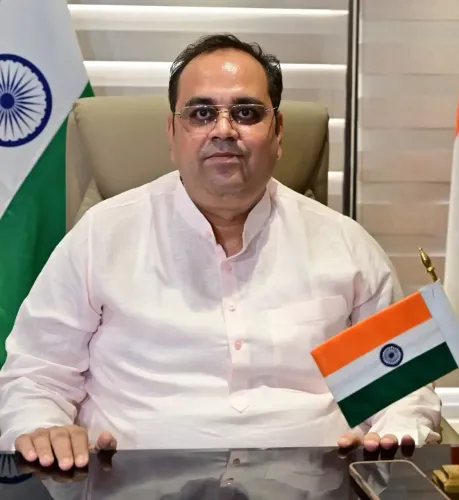
Policy takes effect after formal approval by Lieutenant Governor Taranjit Singh Sandhu .
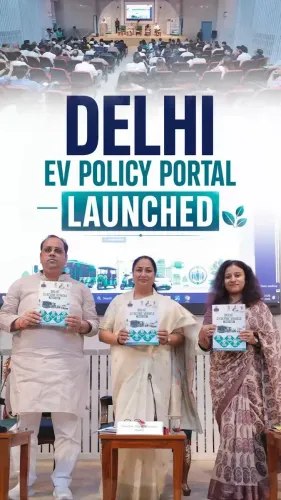
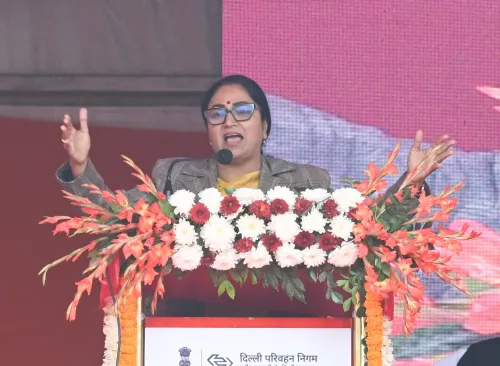
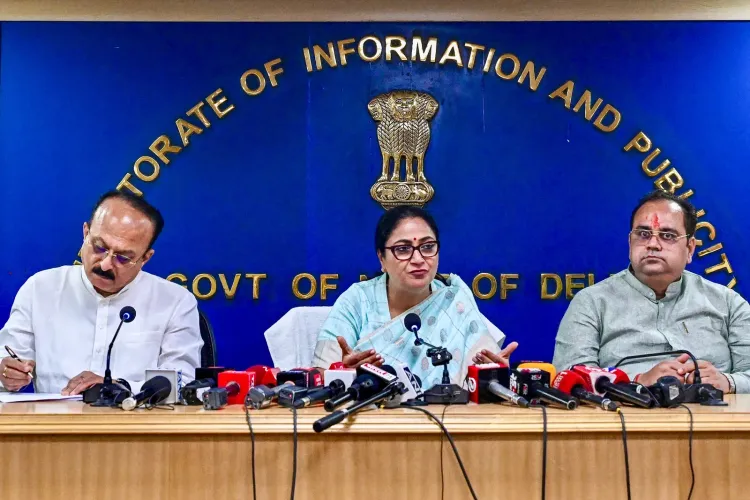
Delhi Chief Minister Rekha Gupta on Monday, 29 June 2025, announced that the Delhi Cabinet has approved the Delhi EV Policy 2026, a comprehensive zero-emission vehicle framework set to take effect from 1 July 2025 and remain in force until 31 March 2030. The policy promises cumulative benefits of approximately ₹15,000 crore to citizens through tax exemptions and EV infrastructure investment.
What the Policy Covers
The policy envisages direct government investment of over ₹7,000 crore over four years for infrastructure upgrades, while tax waivers and incentives worth ₹8,000 crore will be passed on directly to EV buyers. All pure electric vehicles will receive a 100 per cent road tax and registration fee waiver. For four-wheelers, the benefit applies to vehicles with an ex-showroom price of up to ₹30 lakh.
The policy covers the full spectrum of vehicle categories — two-wheelers, three-wheelers, four-wheelers, light goods trucks, and grameen Seva vehicles. Chief Minister Gupta noted that subsidies have been structured specifically to bridge the cost gap between conventional vehicles and EVs, making the switch financially viable for a wider cross-section of Delhi residents.
Pollution Context Behind the Push
According to a study relied upon by the Delhi government, 33 per cent of vehicular pollution in the city originates from commercial vehicles, while 46 per cent comes from two-wheelers and three-wheelers. These figures underline why the policy places particular emphasis on incentivising smaller and commercial vehicle segments, which collectively account for nearly 80 per cent of Delhi's vehicular emissions load.
This comes amid persistent air quality concerns in the capital, where vehicular emissions remain one of the primary contributors to seasonal pollution spikes. The EV policy is positioned as a structural, long-term intervention rather than a seasonal measure.
Infrastructure and Scrapping Focus
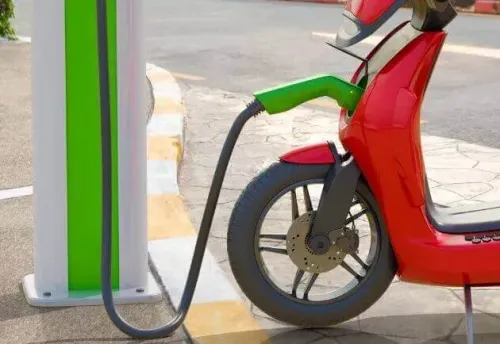
Beyond purchase incentives, the policy addresses two critical enablers of EV adoption: charging infrastructure and a vehicle scrapping framework. Officials indicated that expanding the charging network is central to the ₹7,000 crore infrastructure outlay, aiming to eliminate range anxiety — a key deterrent for prospective EV buyers in a dense urban environment like Delhi.
Chief Minister Gupta credited Cabinet Ministers Pankaj Kumar Singh, Ashish Sood, and Manjinder Singh Sirsa for incorporating stakeholder feedback into the final policy design, describing the outcome as capable of revamping the city's transport landscape.
What Happens Next
The policy will formally come into force following approval by Lieutenant Governor Taranjit Singh Sandhu. Once cleared, Delhi will join a small group of Indian cities with a dedicated, multi-year EV transition roadmap backed by significant fiscal commitment. The stated goal is to position Delhi as a pollution-free, smart transport capital — a benchmark that will be closely watched by other state governments crafting their own EV frameworks.
Point of View
000 crore headline is striking, but the split matters: ₹7,000 crore in infrastructure versus ₹8,000 crore in tax waivers means the policy leans on demand-side subsidies more than supply-side buildout. Delhi has tried EV incentives before — the 2020 EV policy also promised to transform the city's transport mix — and adoption remained uneven, particularly in the commercial segment. The real test this time is whether the charging network expands fast enough to make the waivers meaningful for buyers outside South and Central Delhi. Without that, the ₹15,000 crore figure risks being a fiscal commitment that benefits early adopters in premium segments rather than the two- and three-wheeler majority that drives most of the city's pollution.
NationPress
28 Sept 2026
Frequently Asked Questions
What is the Delhi EV Policy 2026?
The Delhi EV Policy 2026 is a zero-emission vehicle framework approved by the Delhi Cabinet on 29 June 2025, set to run from 1 July 2025 to 31 March 2030. It offers ₹15,000 crore in combined benefits through direct infrastructure investment and tax waivers for EV buyers across vehicle categories.
Who is eligible for benefits under the Delhi EV Policy 2026?
All pure electric vehicles — including two-wheelers, three-wheelers, four-wheelers (priced up to ₹30 lakh ex-showroom), light goods trucks, and grameen Seva vehicles — are eligible for a 100 per cent road tax and registration fee waiver under the policy.
When will the Delhi EV Policy 2026 come into force?
The policy is expected to take effect from 1 July 2025, subject to formal approval by Lieutenant Governor Taranjit Singh Sandhu. It will remain in force until 31 March 2030.
How much is the government investing in EV infrastructure under this policy?
The Delhi government plans to invest over ₹7,000 crore in EV infrastructure upgrades over four years, with a focus on expanding the city's charging network. An additional ₹8,000 crore in tax waivers and incentives will be passed on to EV users.
Why is Delhi introducing a new EV policy?
According to a study cited by the Delhi government, vehicular emissions are a major pollution driver — two-wheelers and three-wheelers contribute 46 per cent of vehicular pollution, and commercial vehicles account for 33 per cent. The policy aims to accelerate the shift to zero-emission transport to address Delhi's chronic air quality problem.