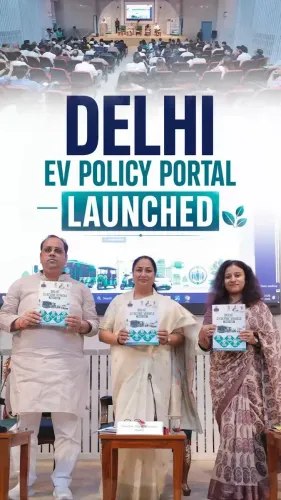
CM Rekha Gupta Launches Delhi EV Policy With Subsidies Up to ₹1 Lakh
Synopsis
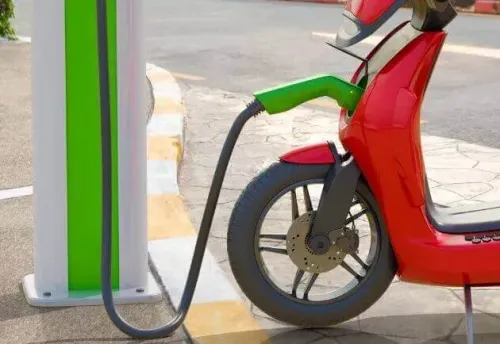
Delhi Chief Minister Rekha Gupta notified a new EV policy on 1 July 2026, offering subsidies of ₹30,000 for electric two-wheelers, ₹50,000 for three-wheelers, and ₹1 lakh for light commercial vehicles, along with full road-tax exemption on electric cars below ₹30 lakh. Petrol vehicles will not be phased out.
Key Takeaways
Delhi's new EV policy was officially notified in the Gazette and came into effect on 1 July 2026 .
Buyers of electric two-wheelers receive a ₹30,000 subsidy; electric three-wheelers attract ₹50,000 .
N1-category light commercial vehicle buyers are eligible for a ₹1 lakh subsidy.
All electric cars priced below ₹30 lakh are fully exempt from Road Tax and Registration Fee.
A scrappage incentive is available for those replacing old vehicles with new EVs.
CM Rekha Gupta confirmed petrol vehicles will not be phased out under this policy.
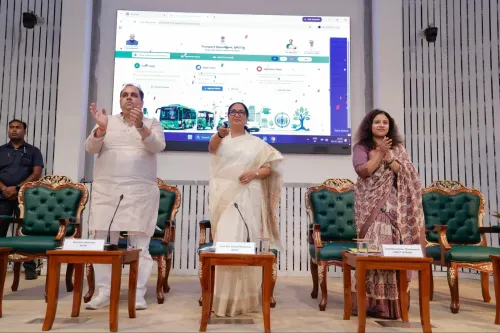
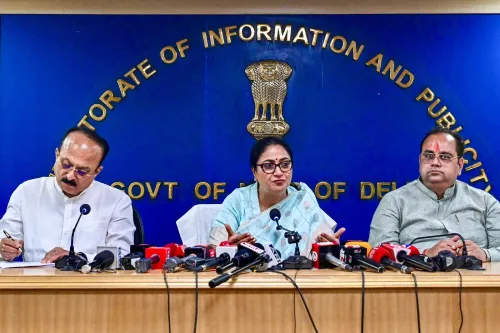
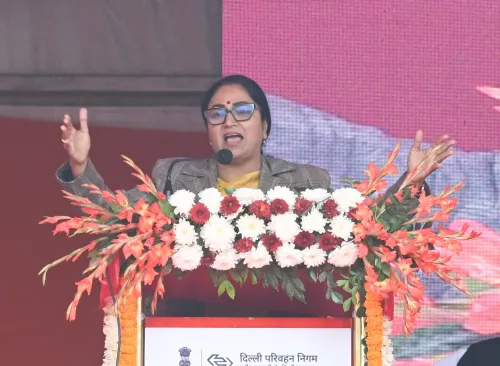
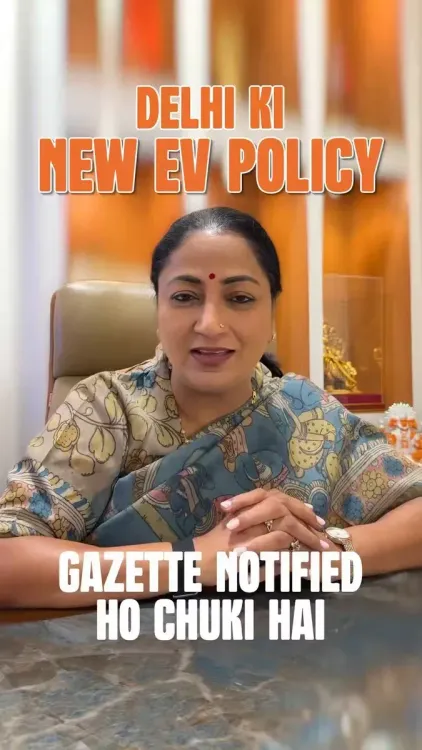
Delhi Chief Minister Rekha Gupta on Wednesday, 1 July 2026 announced that the city's new electric vehicle policy has been officially notified in the Gazette and has come into immediate effect, offering purchase subsidies across multiple vehicle categories and full road-tax exemption on electric cars priced below ₹30 lakh.
What the Policy Offers
Under the newly notified framework, buyers of electric two-wheelers will receive a direct subsidy of ₹30,000, while purchasers of electric three-wheelers will get ₹50,000. Operators acquiring N1-category light commercial vehicles — a segment that includes small goods carriers widely used for last-mile delivery — are eligible for an incentive of ₹1 lakh.
All electric cars priced below ₹30 lakh are fully exempt from both Road Tax and Registration Fee with immediate effect. The government is additionally offering scrappage incentives for vehicle owners who replace older, polluting vehicles with new EVs, a provision aimed at accelerating fleet renewal in one of India's most congested urban centres.
Context
Delhi has long grappled with hazardous air quality, with vehicular emissions identified as a primary contributor to its pollution load. The national capital has one of the highest vehicle densities in the country, making transport-sector intervention central to any air-quality strategy.
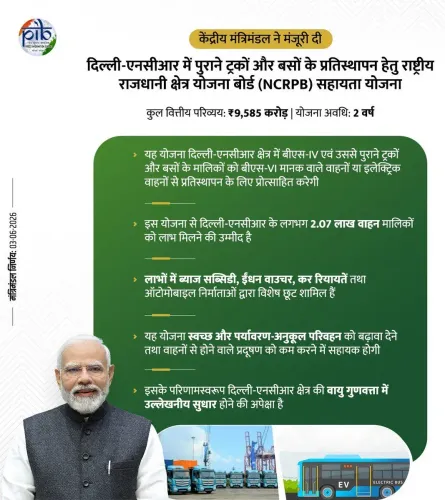
The city had introduced its first EV policy in 2020, which similarly offered purchase incentives and tax waivers. The new 2026 policy builds on that foundation, updating subsidy amounts and broadening the scope of eligible categories. At the national level, the central government's FAME scheme — first launched in 2015 and extended through FAME-II until 2024 — had provided demand-side incentives for two-wheelers, three-wheelers and commercial EVs, establishing the template that state governments, including Delhi, have since supplemented with their own layers of support.
Policy Backdrop
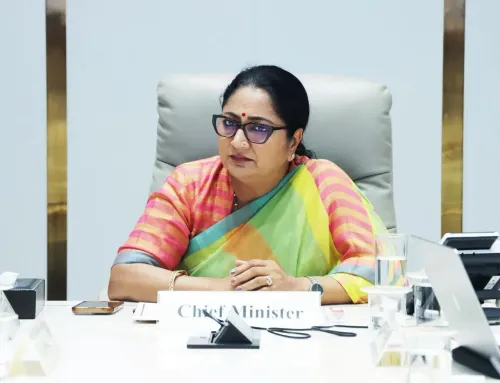
Several Indian states have adopted a similar model: layering state-level purchase subsidies and tax relief on top of central incentives rather than imposing mandates or phase-out timelines. Chief Minister Gupta directly addressed public concern on this point, stating in her post: 'Many people are asking, will petrol vehicles be phased out? The answer is no.'
The clarification signals that Delhi's approach is firmly in the consumer-choice tradition — incentivising the shift to electric mobility without penalising existing petrol or diesel vehicle owners. This aligns with the broader national emphasis on a technology-neutral transition that avoids disrupting livelihoods dependent on internal-combustion vehicles.
Stakeholders and Impact
The policy's most immediate beneficiaries are two-wheeler and three-wheeler buyers, segments that account for the bulk of vehicle registrations in Delhi and are most sensitive to upfront cost. For small-business operators in the logistics and last-mile delivery sector, the ₹1 lakh subsidy on N1 light commercial vehicles could meaningfully lower the cost of fleet electrification.
The scrappage incentive adds a second lever: owners of ageing, high-emission vehicles gain a financial reason to retire them sooner, potentially compressing the timeline for cleaner air outcomes. EV manufacturers and dealerships operating in Delhi are also likely to see a demand uptick as the policy is publicised.
What's Next
The practical test of the policy will be in disbursement: whether subsidies reach buyers quickly and without bureaucratic friction will determine how much the scheme actually moves the needle on monthly EV registration numbers. Analysts will track Delhi's registration data in the months following July 2026 for early signals of uptake.
Any revision to central EV incentive guidelines or the next Union Budget could also reshape the calculus for buyers who are currently weighing state and central benefits together. CM Gupta's government will likely face scrutiny on the fiscal outlay required to sustain these subsidies at scale if EV adoption accelerates as intended.
Point of View
Arriving two years after the central FAME-II scheme wound down and leaving a gap that state governments are now racing to fill. By anchoring the policy on incentives rather than mandates and explicitly ruling out a petrol-vehicle phase-out, Chief Minister Gupta is positioning the BJP-led administration as pro-consumer and pro-business — a calibrated message in a city where two-wheelers and commercial vehicles are economic lifelines for millions. The ₹1 lakh incentive for light commercial vehicles is particularly notable: it targets the logistics and gig-economy workforce, a constituency that previous EV policies often overlooked. Whether the fiscal machinery can disburse these subsidies at speed will ultimately determine if this policy is remembered as a turning point or a well-intentioned announcement.
NationPress
30 Sept 2026
Frequently Asked Questions
What is the subsidy for electric two-wheelers under Delhi's new EV policy?
Under Delhi's EV policy notified on 1 July 2026, buyers of electric two-wheelers are eligible for a direct subsidy of ₹30,000.
Are electric cars exempt from road tax in Delhi?
Yes. All electric cars priced below ₹30 lakh are fully exempt from both Road Tax and Registration Fee under the new Delhi EV policy effective 1 July 2026.
Will petrol vehicles be banned or phased out in Delhi?
No. Delhi Chief Minister Rekha Gupta explicitly stated that petrol vehicles will not be phased out under the new EV policy, which relies on incentives rather than mandates.
What is the subsidy for electric three-wheelers in Delhi?
Electric three-wheeler buyers in Delhi are eligible for a subsidy of ₹50,000 under the policy notified on 1 July 2026.
What is the scrappage incentive in Delhi's EV policy?
The Delhi government is offering scrappage incentives to vehicle owners who replace their old vehicles with new electric vehicles, though the exact monetary value of the scrappage benefit was not specified in the announcement.