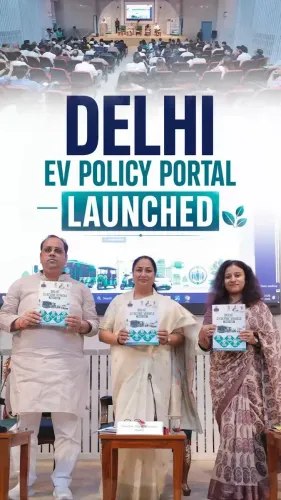
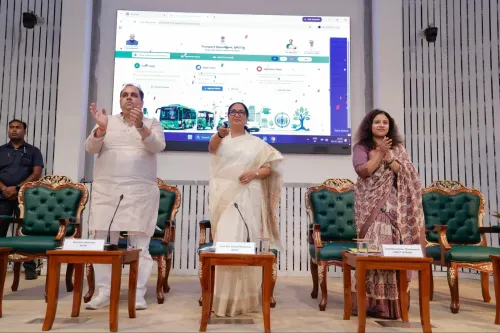
Delhi EV Policy 2026: CM Rekha Gupta outlines savings of up to ₹1.5 lakh

Synopsis
Delhi CM Rekha Gupta has put hard numbers to the Delhi EV Policy 2026 — two-wheeler buyers save over ₹50,000, auto-rickshaw buyers over ₹75,000, and light goods vehicle buyers nearly ₹1.5 lakh. The policy's stacked-benefits design, rather than a single subsidy, is its defining feature — and the real test is whether buyers can actually claim all of them without bureaucratic friction.
Key Takeaways
Delhi CM Rekha Gupta outlined the financial benefits of the Delhi EV Policy 2026 on 2 July 2025 .
Electric two-wheeler buyers can save over ₹50,000 through purchase incentives, scrapping bonus, road tax exemption, and registration fee waiver.
Electric auto-rickshaw (L-5) buyers can save more than ₹75,000 in initial costs.
Electric light goods carrier buyers can reduce initial costs by nearly ₹1.50 lakh .
Private electric car buyers receive no direct purchase incentive, but can claim a scrapping incentive of up to ₹1 lakh plus tax and fee waivers.
The policy stacks multiple benefits rather than relying on a single subsidy, covering households, commercial drivers, and businesses.
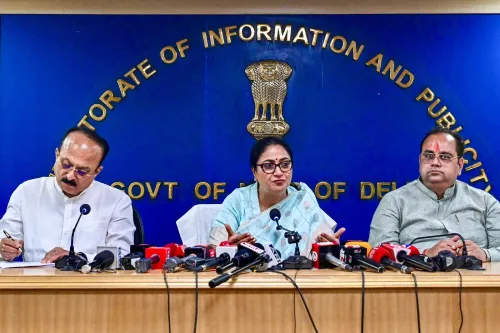
Delhi Chief Minister Rekha Gupta on Thursday, 2 July 2025, detailed the financial architecture of the Delhi EV Policy 2026, asserting that it is explicitly designed to lower both the upfront purchase cost and the lifetime ownership cost of electric vehicles for buyers across vehicle categories. The policy bundles purchase incentives, scrapping bonuses, road tax exemptions, and registration fee waivers into a single framework — a structure Gupta described as the policy's core strength.
Key Financial Benefits by Vehicle Category
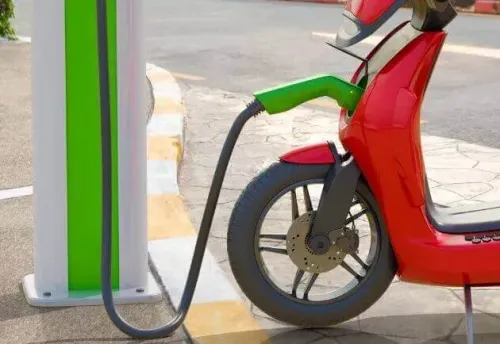
For electric two-wheelers, eligible buyers can receive a purchase incentive of up to ₹30,000, a scrapping incentive of ₹10,000, lifetime exemption from road tax, and a complete waiver of registration fees. Combined, these provisions can yield initial savings exceeding ₹50,000, excluding any applicable tax benefits.
Buyers of electric auto-rickshaws (L-5 category) stand to gain a purchase incentive of up to ₹50,000, a scrapping incentive of ₹25,000, lifetime road tax exemption, and a full registration fee waiver — translating to initial savings of more than ₹75,000, excluding tax-related benefits.
For electric light goods carriers, the policy offers a purchase incentive of up to ₹1 lakh, a scrapping incentive of ₹50,000, lifetime road tax exemption, and a registration fee waiver. These benefits can collectively reduce the initial cost by nearly ₹1.50 lakh. Buyers of electric Gramin Sewa vehicles replacing an old vehicle are eligible for a scrapping incentive of ₹15,000.
What the Policy Offers Private Car Buyers
Chief Minister Gupta clarified that the Delhi EV Policy 2026 does not extend a direct purchase incentive to private electric car buyers. However, those who scrap a conventional fuel-powered car and replace it with an electric vehicle will receive a scrapping incentive of up to ₹1 lakh, in addition to lifetime road tax exemption and a one-time registration fee waiver. Gupta maintained that even in the absence of a purchase incentive, these combined provisions offer substantial financial relief.
The Policy's Design Logic
'The policy brings together multiple financial benefits, including purchase incentives, incentives for scrapping old polluting vehicles, lifetime exemption from road tax, waiver of registration fees, and lower operating and maintenance costs compared to petrol and diesel vehicles,' Gupta said, outlining the scheme's money-saving features.
She emphasised that one of the policy's defining characteristics is its multi-layered approach — stacking several benefits rather than relying on a single subsidy. According to Gupta, this structure makes electric vehicles the most financially viable option for households, commercial drivers, and businesses of all sizes.
Broader Context and What Comes Next
The Delhi EV Policy 2026 arrives as the national capital continues to grapple with chronic air quality concerns, and as EV adoption in India accelerates amid rising fuel costs. Delhi has previously run EV incentive programmes, but this iteration appears more comprehensive in its multi-category coverage. This comes amid a broader push by state governments across India to align with the Centre's green mobility targets.
How effectively the policy translates into on-ground adoption will depend on implementation speed, dealer awareness, and the ease with which buyers can claim stacked benefits — factors that past EV incentive schemes have struggled with.
Point of View
The exclusion of a direct purchase incentive for private cars is a political choice as much as a fiscal one: it directs maximum relief toward commercial and working-class vehicle categories, which is both equitable and electorally calculated. The bigger question is whether the scrapping incentive alone is sufficient to nudge private car owners, who tend to hold on to existing vehicles longer when the replacement cost differential remains steep.
NationPress
1 Oct 2026
Frequently Asked Questions
What is the Delhi EV Policy 2026?
The Delhi EV Policy 2026 is a comprehensive electric vehicle incentive framework announced by the Delhi government, designed to reduce both the upfront purchase cost and lifetime ownership cost of EVs. It covers two-wheelers, auto-rickshaws, Gramin Sewa vehicles, light goods carriers, and private cars through a combination of purchase incentives, scrapping bonuses, road tax exemptions, and registration fee waivers.
How much can a two-wheeler buyer save under the Delhi EV Policy 2026?
Eligible electric two-wheeler buyers can save more than ₹50,000 in initial costs, comprising a purchase incentive of up to ₹30,000, a scrapping incentive of ₹10,000, lifetime road tax exemption, and a complete waiver of registration fees, excluding tax-related benefits.
Does the Delhi EV Policy 2026 offer benefits for private electric car buyers?
The policy does not provide a direct purchase incentive for private electric cars. However, buyers who scrap a conventional fuel-powered car and purchase an electric car can receive a scrapping incentive of up to ₹1 lakh, along with lifetime road tax exemption and a one-time registration fee waiver.
Which vehicle category gets the highest benefit under the Delhi EV Policy 2026?
Buyers of electric light goods carriers receive the highest combined benefit — a purchase incentive of up to ₹1 lakh, a scrapping incentive of ₹50,000, lifetime road tax exemption, and a registration fee waiver — which can reduce the initial cost by nearly ₹1.50 lakh, excluding tax benefits.
Why did Delhi introduce the EV Policy 2026?
The policy was introduced to accelerate EV adoption in Delhi by making electric vehicles more financially attractive than petrol and diesel alternatives. Chief Minister Rekha Gupta stated that the policy addresses the most common concern buyers have — whether switching to an EV will actually save money — and answers it affirmatively through stacked financial benefits.