Delhi EV Policy 2026: Mandatory e-transition from July 1, CM Rekha Gupta

Synopsis
Delhi's new EV Policy-2026 isn't just another incentive scheme — it's the first time the capital has put mandatory deadlines on the table. From auto-rickshaws going all-electric by January 2027 to a two-wheeler registration ban on non-EVs from April 2028, CM Rekha Gupta's BJP government is betting on compulsion, not just subsidy, to clean up Delhi's air.
Key Takeaways
Delhi EV Policy-2026 came into effect on 1 July 2025 , introducing mandatory phased electrification across vehicle categories.
From 1 April 2028 , only new electric two-wheelers can be registered in Delhi; purchase incentive of up to ₹30,000 plus ₹10,000 scrappage benefit continues.
From 1 January 2027 , all new L-5 auto-rickshaws must be electric; three-wheeler incentive raised to ₹50,000 with an additional ₹25,000 for scrapping.
N-1 category electric trucks eligible for up to ₹1 lakh purchase incentive plus ₹50,000 scrappage benefit; first 1,000 N-2 trucks get no-entry exemptions.
Target: 30 per cent of Delhi's school bus fleet to be electric by 2030 .
Delhi Transco Limited (DTL) appointed nodal agency for charging infrastructure; funding expanded to include PM E-DRIVE and Central government schemes.
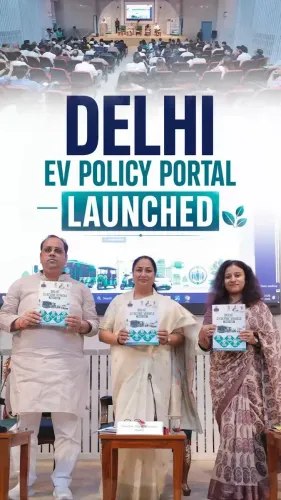
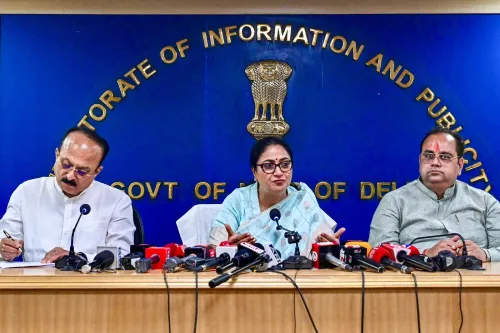
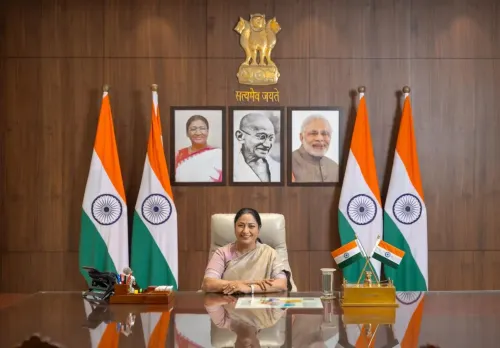
Delhi Chief Minister Rekha Gupta on Tuesday, 30 June 2025, unveiled the details of the Delhi Electric Vehicle (EV) Policy-2026, set to come into force from Wednesday, 1 July, marking the capital's shift from a voluntary incentive model to a mandatory phased electrification framework. The policy lays out a clear roadmap through March 2030 for overhauling Delhi's transport sector across vehicle categories, charging infrastructure, and battery management.
What Changes Under the New Policy
The Delhi EV Policy-2026 moves decisively beyond the incentive-only approach of the previous 2020 EV policy introduced by the then Aam Aadmi Party (AAP)-led government. While the 2020 policy relied on voluntary adoption, the new framework — introduced by the Bharatiya Janata Party (BJP) government — mandates electrification of different vehicle categories in a phased manner.
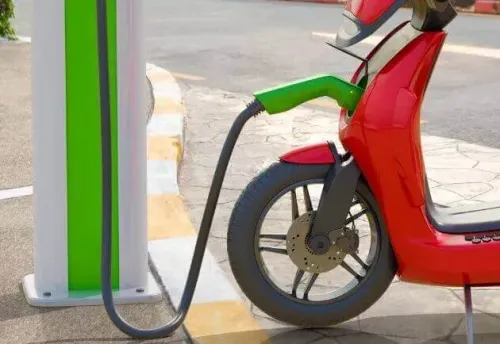
For two-wheelers, a purchase incentive of up to ₹30,000 continues, with a new additional incentive of ₹10,000 for scrapping an old vehicle. From 1 April 2028, only new electric two-wheelers will be permitted for registration in Delhi.
Three-Wheelers and Goods Vehicles Get Bigger Push
The three-wheeler segment sees a significant upgrade: purchase incentives rise from ₹30,000 under the old policy to ₹50,000, with an additional ₹25,000 for scrapping an old vehicle. From 1 January 2027, all new L-5 category auto-rickshaws will be registered exclusively as electric vehicles.
For the first time, the policy introduces comprehensive provisions for goods-carrying vehicles. N-1 category electric trucks will be eligible for a purchase incentive of up to ₹1 lakh, plus an additional benefit of up to ₹50,000 for scrapping an old vehicle. The first 1,000 N-2 electric trucks will receive special exemptions from no-entry restrictions.
School Buses and Charging Infrastructure
The policy brings school transport within its ambit for the first time, setting a target of making 30 per cent of Delhi's school bus fleet electric by 2030. On the infrastructure side, Delhi Transco Limited (DTL) has been appointed as the nodal agency for charging infrastructure expansion, supported by a single-window clearance system, a digital monitoring platform, and a grid planning framework.
Stronger Institutional and Financial Framework
The institutional architecture has been significantly reinforced. The new framework includes a Delhi EV Apex Committee under the chairmanship of the Transport Minister, a high-powered committee led by the Chief Secretary, and a dedicated EV Cell with PMC support — replacing the earlier structure that had only an EV Cell and a State EV Board.
On battery management, the policy introduces digital traceability from manufacturing to recycling, collection centres, compliance with Extended Producer Responsibility (EPR), a PPP-based recycling system, and an SOP-based management framework. Funding sources have also been broadened to include PM E-DRIVE, Central government schemes, state budgetary provisions, and the ECC Fund, supplementing the earlier reliance on pollution cess and road tax.
What Comes Next
With the policy effective from 1 July 2025, implementation milestones will begin to fall due as early as January 2027 for auto-rickshaws and April 2028 for two-wheelers. The credibility of the framework will ultimately hinge on how swiftly the charging network scales and whether the financial incentives reach end-users without bureaucratic delay.
Point of View
But mandatory deadlines are only as credible as the infrastructure behind them. The appointment of DTL as nodal agency and the single-window clearance promise sound right on paper — yet Delhi's charging network remains thin outside select corridors. The policy's most consequential test will come in January 2027, when L-5 auto-rickshaw registrations go all-electric: that segment is dominated by small operators with limited capital, and the ₹50,000 incentive may not bridge the upfront cost gap without accessible financing. The BJP government deserves credit for moving from voluntary to mandatory, but execution — not announcement — will determine whether Delhi's air actually improves.
NationPress
29 Sept 2026
Frequently Asked Questions
What is the Delhi EV Policy-2026?
The Delhi EV Policy-2026 is a comprehensive electric vehicle framework that came into effect on 1 July 2025, introducing mandatory phased electrification across vehicle categories including two-wheelers, auto-rickshaws, goods vehicles, and school buses, with a roadmap extending to March 2030. It replaces the earlier 2020 EV policy, which relied solely on voluntary adoption and purchase incentives.
When will new petrol two-wheelers stop being registered in Delhi?
From 1 April 2028, only new electric two-wheelers will be permitted for registration in Delhi under the EV Policy-2026. Buyers can avail a purchase incentive of up to ₹30,000 and an additional ₹10,000 for scrapping an old vehicle.
What incentives are available for three-wheelers and auto-rickshaws?
Under the new policy, electric three-wheeler buyers are eligible for a purchase incentive of up to ₹50,000 — up from ₹30,000 under the previous policy — plus an additional ₹25,000 for scrapping an old vehicle. From 1 January 2027, all new L-5 category auto-rickshaws must be registered as electric vehicles.
What does the policy offer for goods-carrying vehicles?
For the first time, the Delhi EV Policy-2026 includes comprehensive provisions for goods vehicles. N-1 category electric trucks are eligible for a purchase incentive of up to ₹1 lakh plus up to ₹50,000 for scrapping an old vehicle. The first 1,000 N-2 electric trucks will also receive special exemptions from no-entry restrictions.
How is the new policy different from Delhi's 2020 EV policy?
The 2020 EV policy, introduced by the then AAP-led government, was largely incentive-driven with voluntary adoption. The 2026 policy, introduced by the BJP government, adds mandatory electrification timelines, a stronger institutional framework including the Delhi EV Apex Committee, digital battery traceability, and expanded funding sources such as PM E-DRIVE and Central government schemes.