Delhi EV Policy 2026: ₹15,000 crore push to spur green jobs and manufacturing
Synopsis
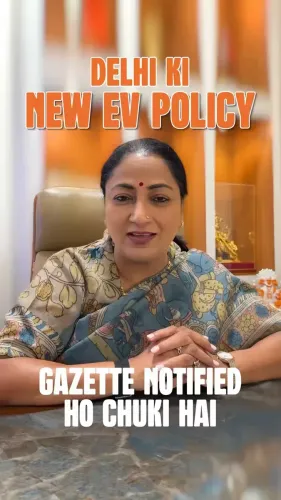
Delhi's EV Policy 2026 isn't just about cleaner air — it's a ₹15,000 crore industrial bet. With hard bans on petrol two-wheelers from 2028 and CNG autos from end-2026, the policy forces the transition rather than merely incentivising it, positioning Delhi as a potential blueprint for EV adoption across urban India.
Key Takeaways
Delhi EV Policy 2026 proposes a ₹15,000 crore government investment to build the EV ecosystem through 2030 .
100% road tax and registration fee waiver for EVs priced up to ₹30 lakh (ex-showroom).
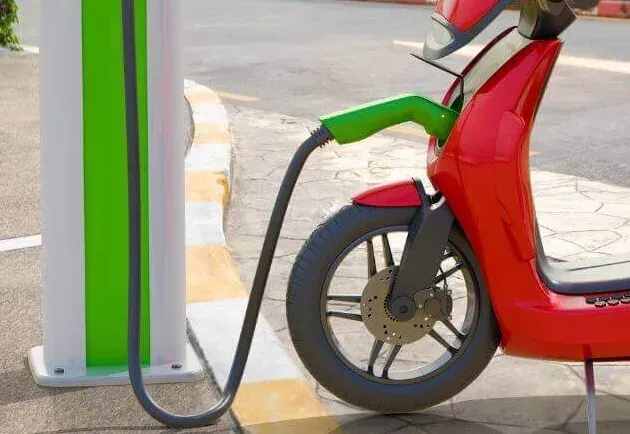
Subsidies of up to ₹30,000 for electric two-wheelers, ₹50,000 for three-wheelers, and ₹1 lakh scrappage incentive for old BS-IV vehicles.
New petrol motorcycle and scooter registrations banned after 31 March 2028 ; new CNG auto-rickshaw registrations to stop by end of 2026 .
PHDCCI pledged support for implementation, citing expected gains in battery manufacturing, charging infrastructure, and green employment.
The Delhi Electric Vehicle (EV) Policy 2026 has drawn strong backing from industry leaders, who say the initiative can accelerate sustainable urban mobility while catalysing investment, domestic manufacturing, and green employment across India's electric mobility sector. The endorsement came on Tuesday, 30 June, as leading industry chamber PHD Chamber of Commerce and Industry (PHDCCI) pledged to work alongside policymakers and stakeholders to support its rollout.
What the Policy Promises
The Delhi EV Policy 2.0, which runs through 2030, introduces a sweeping set of fiscal incentives and regulatory mandates. Buyers of EVs priced up to ₹30 lakh (ex-showroom) will receive a 100% waiver on road tax and registration fees. Subsidies of up to ₹30,000 are available for electric two-wheelers, up to ₹50,000 for three-wheelers, and up to ₹1 lakh for scrapping old BS-IV or older petrol cars.
The policy also sets hard phase-out timelines: no new petrol motorcycles or scooters can be registered after 31 March 2028, and new CNG auto-rickshaw registrations are set to cease by the end of 2026. The government has proposed an investment of approximately ₹15,000 crore to develop the EV ecosystem over the policy period.
Industry's Assessment
Rajeev Juneja, President of PHDCCI, said the policy reinforces clean mobility as a core driver of Delhi's economic future. 'The policy reinforces the role of clean mobility as a key driver of Delhi's future economic growth and sustainable urban development. By providing greater policy certainty, it is expected to improve the investment climate, accelerate innovation in electric mobility technologies, expand domestic manufacturing, and create employment across the EV ecosystem,' he said.
PHDCCI said it will work closely with policymakers and industry stakeholders to support effective implementation and facilitate a robust, competitive, and sustainable electric mobility ecosystem that contributes to economic growth, industrial transformation, and environmental sustainability.
Sectors Set to Benefit
The policy's reach extends well beyond vehicle adoption. According to PHDCCI, it has the potential to stimulate investments across battery manufacturing, charging infrastructure, renewable energy integration, power distribution, electronics, automotive components, software solutions, fleet management, financing, and recycling and circular economy services.
Dr Ranjeet Mehta, CEO and Secretary General of PHDCCI, noted that accelerating EV adoption will also drive demand for advanced battery technologies, power electronics, semiconductors, charging hardware, digital payment platforms, predictive maintenance applications, and intelligent energy management solutions.
National Alignment and What Comes Next
At the national level, the Delhi policy aligns with India's broader Make in India initiative, aimed at strengthening globally competitive manufacturing. The charging infrastructure expansion embedded in the policy is seen as a critical enabler — addressing one of the most cited barriers to EV adoption in urban India.
With hard registration bans approaching and significant fiscal incentives in place, the policy now shifts the burden to implementation — particularly the pace of charging network deployment and the absorption capacity of domestic manufacturers. How quickly the ₹15,000 crore investment translates into on-ground infrastructure will determine whether Delhi's EV transition becomes a replicable model for other Indian cities.
Point of View
000 crore investment figure needs scrutiny: how much is direct subsidy versus leveraged private capital, and over what disbursement timeline? India's urban EV transitions have historically stalled on charging infrastructure, not on demand signals. If the network buildout lags the registration bans, the policy risks penalising buyers without delivering alternatives. The real test is whether Delhi can execute at the pace its own deadlines demand.
NationPress
29 Sept 2026
Frequently Asked Questions
What is the Delhi EV Policy 2026?
The Delhi EV Policy 2026, also referred to as Delhi EV Policy 2.0, is a government initiative running through 2030 that introduces fiscal incentives, registration fee waivers, scrappage benefits, and phase-out mandates for petrol and CNG vehicles to accelerate electric mobility adoption in Delhi. The government has proposed approximately ₹15,000 crore in investment to support the EV ecosystem over the policy period.
What subsidies and incentives does the Delhi EV Policy offer?
The policy offers a 100% waiver on road tax and registration fees for EVs priced up to ₹30 lakh (ex-showroom), subsidies of up to ₹30,000 for electric two-wheelers, up to ₹50,000 for electric three-wheelers, and a scrappage incentive of up to ₹1 lakh for retiring old BS-IV or older petrol cars.
When will petrol two-wheelers be banned in Delhi?
Under the Delhi EV Policy 2026, no new petrol motorcycles or scooters can be registered after 31 March 2028. New CNG auto-rickshaw registrations are set to stop by the end of 2026.
How does the Delhi EV Policy support manufacturing and jobs?
According to PHDCCI, the policy is expected to stimulate investment across battery manufacturing, charging infrastructure, power electronics, semiconductors, automotive components, software, fleet management, and recycling sectors — creating employment across the EV value chain and aligning with the Make in India initiative.
What role is PHDCCI playing in the Delhi EV Policy implementation?
PHDCCI has pledged to work closely with policymakers and industry stakeholders to support effective implementation of the policy. The chamber aims to facilitate a robust and competitive electric mobility ecosystem that contributes to economic growth, industrial transformation, and environmental sustainability.