J&K electricity tariff hiked up to 25 paise per unit, BPL consumers spared
Synopsis
The Omar Abdullah government has confirmed slab-wise domestic electricity tariff hikes in J&K — up to 25 paise per unit for metered consumers — while shielding BPL households. With 66% smart meter coverage and 714 round-the-clock feeders, the administration is under pressure to match higher bills with better supply.
Key Takeaways
The J&K government confirmed domestic electricity tariff hikes in the Legislative Assembly on 29 September .
Metered consumers face increases of up to 25 paise per unit ; the highest slab now stands at ₹4.60 per unit (up from ₹4.35).
Fixed charges have risen from ₹8 to ₹10 per kW per month .
BPL consumers using up to 30 units a month are exempted — tariff remains at ₹1.40 per unit .
Around 66% of the consumer base is covered by smart metering; 714 feeders have been declared 24/7 feeders .
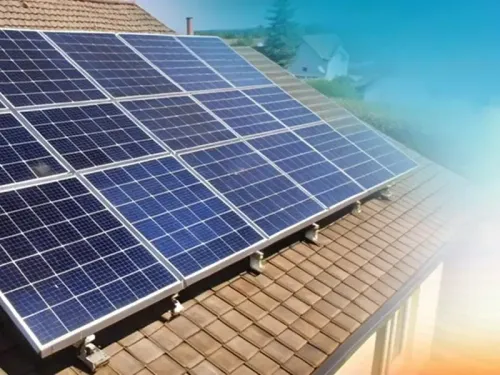
Rooftop solar subsidies under PM Surya Ghar range from ₹36,000 to ₹94,800 for eligible J&K households.
The Jammu and Kashmir government has confirmed a hike in domestic electricity tariffs, with metered consumers facing an increase of up to 25 paise per unit and fixed-charge consumers paying ₹2 more per kW per month, according to a reply tabled in the Legislative Assembly on Tuesday, 29 September. The disclosure came in response to a question raised by MLA Mehraj Malik, with the Omar Abdullah-led administration providing a slab-wise tariff comparison against 2023-24 rates.
New Tariff Slabs at a Glance
Consumers using up to 200 units per month will now pay ₹2.45 per unit, up from ₹2.30 previously. Those in the 201–400 unit bracket will be charged ₹4.20 per unit, compared to ₹4 earlier. For consumption exceeding 400 units, the rate has risen from ₹4.35 to ₹4.60 per unit. The fixed charge on contracted load has also been revised upward, from ₹8 to ₹10 per kW per month.
Notably, Below Poverty Line (BPL) consumers using up to 30 units a month have been exempted from any increase — their tariff remains unchanged at ₹1.40 per unit, with the fixed charge holding steady at ₹5 per kW per month. This carve-out is significant given J&K's large low-income rural consumer base.
Power Cuts and the Demand-Supply Gap
The government clarified that electricity supply schedules are not governed by the tariff order. Instead, power supply is regulated through the Load Curtailment Programme managed by the distribution companies. Outages, the reply stated, are primarily driven by the demand-supply gap — particularly acute during peak summer and winter months — as well as maintenance and breakdown-related restoration work.
According to the government's response, around 714 feeders have already been designated as 24/7 feeders, with more being added progressively. This comes amid persistent consumer complaints about power cuts even in areas where smart meters have been installed.
Smart Metering and Billing Grievances
Approximately 66 per cent of J&K's consumer base has been covered under the smart metering rollout, which the government said has reduced manual intervention in meter reading. Bills are now generated through actual meter readings or, for flat-rate consumers, on the basis of sanctioned load.
On complaints of inflated electricity bills, the administration said the billing system has been fully automated. Grievances related to mismatches between bills and actual meter readings are addressed after field verification by the distribution companies (DISCOMs). Consumers can also lodge complaints at subdivision offices, through a toll-free helpline, or via the online Consumer Grievance Portal.
PM Surya Ghar Scheme and Solar Push
The government also highlighted the PM Surya Ghar scheme, under which eligible residential consumers in J&K can access combined Central and state government subsidies for rooftop solar installations. The subsidy ranges from ₹36,000 for a 1-kW system to ₹94,800 for systems of 3 kW and 5 kW capacity. The stated aim is to reduce upfront costs for households and lower recurring electricity bills through solar generation.
Transformer Transport Expenditure
The assembly reply also revealed that ₹20.71 lakh was spent on the mechanical transportation of distribution transformers during 2024-25, and ₹16.36 lakh during 2025-26. No expenditure was reported on the loading, unloading, or installation of distribution transformers in either year, according to the official figures.
With tariff hikes now on record and smart metering coverage still short of universal, the pressure on the J&K government to demonstrate tangible improvement in power supply reliability is set to intensify in the coming months.
Point of View
Which is still consolidating its mandate in a newly restored assembly. The BPL exemption is a deliberate cushion, but middle-income consumers in the 201–400 unit bracket — the urban working class — face a compounded squeeze of higher bills and unreliable supply. The smart metering rollout at 66% coverage is incomplete, meaning billing disputes will persist even as automation is cited as the remedy. The real accountability test is whether the revenue from higher tariffs translates into feeder upgrades and genuine 24/7 supply — or simply shores up DISCOM finances without improving consumer experience.
NationPress
29 Sept 2026
Frequently Asked Questions
By how much has J&K increased domestic electricity tariffs?
The J&K government has increased domestic electricity tariffs by up to 25 paise per unit for metered consumers, with the highest slab rising from ₹4.35 to ₹4.60 per unit. Fixed charges for contracted load have also gone up from ₹8 to ₹10 per kW per month.
Are BPL consumers in J&K affected by the electricity tariff hike?
No. Below Poverty Line consumers using up to 30 units a month are fully exempted from the hike — their tariff remains unchanged at ₹1.40 per unit, with the fixed charge holding at ₹5 per kW per month.
Why do power cuts continue in J&K despite smart meter installation?
The government clarified that power cuts are not linked to the tariff order or metering. Outages are regulated under the Load Curtailment Programme and are primarily caused by a demand-supply gap, especially during peak summer and winter months, as well as maintenance and breakdown restoration.
What subsidies are available for rooftop solar in J&K under PM Surya Ghar?
Eligible residential consumers in J&K can receive combined Central and state subsidies ranging from ₹36,000 for a 1-kW rooftop solar system to ₹94,800 for systems of 3 kW and 5 kW capacity. The subsidy is designed to lower upfront installation costs and reduce monthly electricity bills.
How can J&K consumers complain about inflated electricity bills?
Consumers can lodge billing complaints through their local DISCOM, at subdivision offices, via the toll-free helpline, or through the online Consumer Grievance Portal. The government says all complaints are resolved after field verification by distribution company officials.