Lok Sabha Approves Extension for JPC on Simultaneous Elections Until 2026
Synopsis
The Lok Sabha has approved an extension for the Joint Parliamentary Committee (JPC) to continue its examination of bills related to simultaneous elections, a key electoral reform initiative. This move reflects the commitment to refining the proposal ahead of the 2026 Monsoon Session.
Key Takeaways
The Lok Sabha has extended the JPC's tenure to 2026.
The committee is reviewing bills on simultaneous elections.
Supporters and critics have differing views on the proposal's implications.
Stakeholder consultations have been a key part of the process.
The proposed changes aim to enhance governance efficiency.
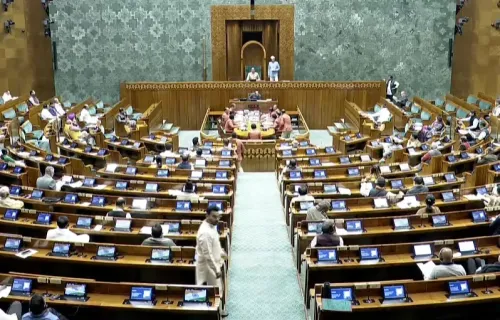
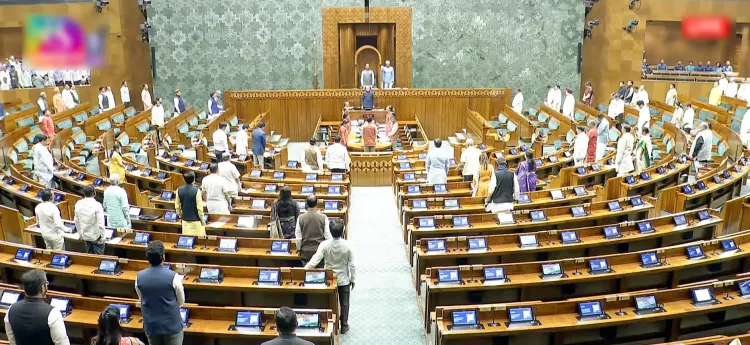
New Delhi, March 18 (NationPress) On Wednesday, the Lok Sabha granted an extension to the Joint Parliamentary Committee (JPC) responsible for examining bills focused on the implementation of simultaneous elections for the Lok Sabha and state legislative assemblies.
This resolution provides the committee with additional time to finalize its recommendations while discussions continue regarding this significant electoral reform initiative, often termed 'One Nation, One Election.'
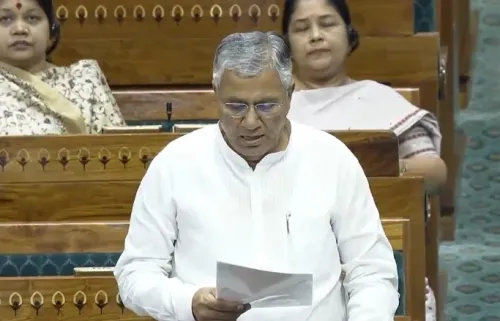
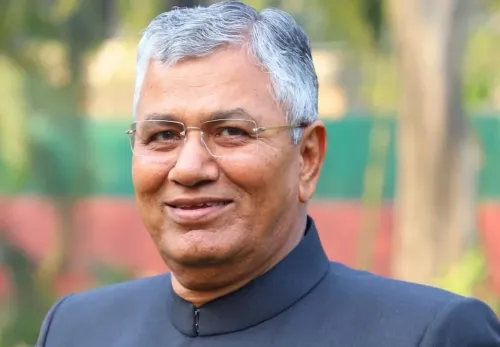
PP Chaudhary, the BJP MP leading the 39-member JPC, presented a motion in the Lower House to extend the committee's term until the commencement of the last week of the 2026 Monsoon Session of Parliament. The motion was accepted through a voice vote, showing a general consensus in the House for allowing further time for a comprehensive review.
The extension specifically relates to the Constitution (One Hundred and Twenty-Ninth Amendment) Bill, 2024, which suggests amendments necessary for synchronized elections, as well as the Union Territories Laws (Amendment) Bill, 2024, which addresses pertinent adjustments for Union Territories.
Introduced by Law and Justice Minister Arjun Ram Meghwal in December 2024, these bills aim to align Lok Sabha and Assembly elections to decrease the frequency of elections, reduce electoral costs, lessen governance disruptions caused by the model code of conduct, and improve administrative efficiency.
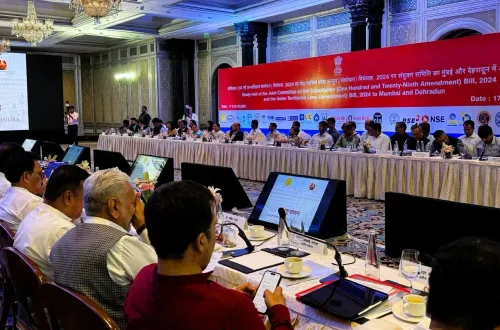
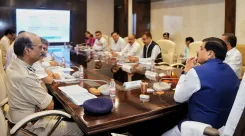
Since its inception late last year, the JPC has convened several meetings, engaging a diverse array of stakeholders, including constitutional experts, economists, former election commissioners, political party representatives, and members of the Law Commission.
The committee has gathered insights on feasibility, legal ramifications, logistical needs, and potential effects on federalism and democratic systems.
While supporters contend that simultaneous elections could enhance policy continuity and national focus, critics express concerns regarding their impact on regional matters, anti-defection laws, premature assembly dissolutions, and the necessity for extensive constitutional amendments.
Point of View
It is essential to recognize the importance of the Lok Sabha's decision to extend the JPC's tenure. This move not only demonstrates a commitment to thorough scrutiny of electoral reforms but also reflects a broader consensus in the political landscape regarding the need for efficient governance. Balancing national interests with regional concerns will be critical as discussions progress.
NationPress
21 Sept 2026
Frequently Asked Questions
What is the purpose of the JPC?
The Joint Parliamentary Committee (JPC) is tasked with examining bills related to the implementation of simultaneous elections for the Lok Sabha and state assemblies.
Why have simultaneous elections been proposed?
Simultaneous elections are proposed to reduce the frequency of elections, lower electoral costs, and enhance administrative efficiency.
Who is leading the JPC?
The JPC is chaired by BJP MP PP Chaudhary.
What bills are being examined by the JPC?
The JPC is examining the Constitution (One Hundred and Twenty-Ninth Amendment) Bill, 2024, and the Union Territories Laws (Amendment) Bill, 2024.
What are the potential impacts of simultaneous elections?
Proponents argue that simultaneous elections could foster policy continuity, while critics raise concerns about their implications for regional issues and democratic processes.