Maharashtra to form Kakodkar-led panel on data centre environmental impact
Synopsis
Maharashtra isn't just chasing gigawatts — it's hitting the brakes to ask hard questions first. By appointing nuclear scientist Dr Anil Kakodkar to lead an environmental review of its data centre push, the state is signalling that its 30–40 GW ambition will be tested against water, power, and livelihood metrics before the next wave of approvals.
Key Takeaways
Maharashtra Industries Minister Uday Samant announced a high-level expert committee chaired by Dr Anil Kakodkar to assess data centre impacts on 25 June .
The panel will examine effects on water , power , the environment , global warming , and local livelihoods.
Data centres will be permitted to use only tertiary treated water — not drinking or agricultural water supplies.
Amazon is investing approximately ₹500 crore and Blackstone around ₹2,000 crore in water treatment infrastructure.
Maharashtra targets a data centre capacity of 30–40 GW under its 'Developed Maharashtra 2027' plan.
A state expert team will visit Abu Dhabi and other countries to study advanced green data centre models.
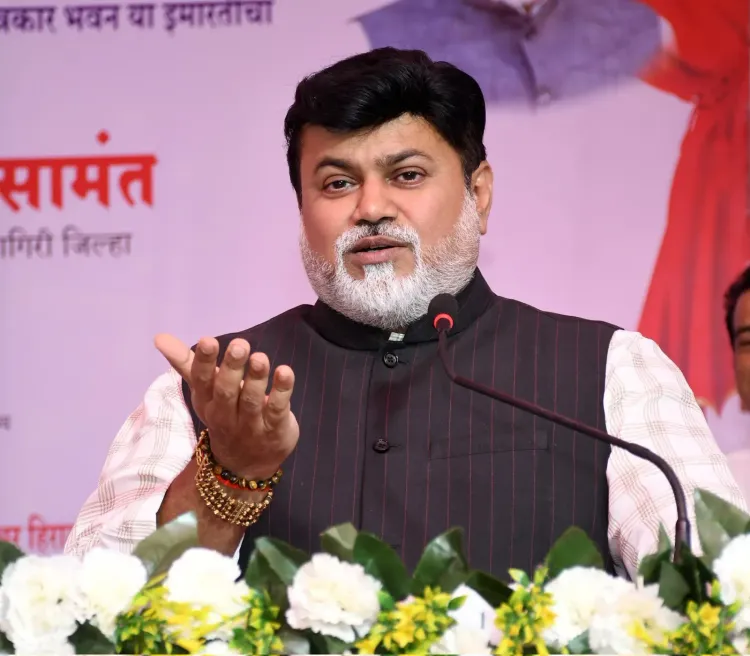
Maharashtra Industries Minister Uday Samant on Thursday, 25 June announced that the state government will constitute a high-level expert committee — to be chaired by veteran nuclear scientist Dr Anil Kakodkar — to comprehensively assess the impact of data centre projects on water, power, the environment, global warming, and the livelihoods of local communities. The announcement was made on the floor of the Maharashtra Legislative Council in response to a calling-attention motion.
What Triggered the Announcement
The motion was moved by Shiv Sena MLC Manisha Kayande, who flagged the environmental and public health risks posed by the rapid proliferation of data centre projects across the state. Her concerns spanned the massive consumption of water and electricity, noise pollution, land acquisition pressures, climate change implications, and the actual quantum of employment these facilities generate for local residents.
Minister Samant acknowledged the concerns and noted that Maharashtra had already adopted a Green Data Centre Policy in 2026, adding that its provisions warranted a thorough, expert-led review before further expansion.
Scope of the Expert Committee
According to Samant, the proposed panel will include senior officials and domain experts drawn from the Mumbai Metropolitan Region Development Authority (MMRDA), the City and Industrial Development Corporation (CIDCO), municipal corporations, and the Department of Industries. Once the committee submits its report, the government intends to finalise binding guidelines covering environmental norms, mandatory tree plantation, e-waste management, and water resource conservation for all data centre projects in the state.
Samant added that the government would formally request Dr Kakodkar to accept the chairmanship of the committee.
Water Use: No Drinking Water for Data Centres
A central concern raised during the debate was whether data centres would draw on drinking water or agricultural water supplies. Samant categorically ruled this out, stating that data centres in Maharashtra would be permitted to use only tertiary treated water — processed from sewage — supplied by the Thane, Navi Mumbai, and Panvel municipal corporations, as well as CIDCO and agencies within the Mumbai Metropolitan Region.
To build the necessary treatment and supply infrastructure, major companies are making significant investments. Amazon is reportedly investing approximately ₹500 crore, while Blackstone is committing around ₹2,000 crore for this purpose. Data centre projects in the Khalapur and Taloja areas are estimated to require 200 million litres of treated water, while the project in the Trans Thane Creek industrial area will need 100 million litres. Since demand will be met entirely through treated wastewater, local drinking water and agricultural water resources will remain unaffected, according to the minister.
Global Study Tour and Green Commitment
During the debate, members including Aniket Tatkare, Sanjay Khodke, and Dr Rajeev Poddar raised additional demands — efficient e-waste management, exploring the use of seawater, assessing financial benefits to local self-governing bodies, and studying global best practices. In response, Samant announced that a state government expert team would be deputed to Abu Dhabi and other countries to study advanced green data centre technologies.
The minister reiterated that every data centre in Maharashtra would be required to qualify as a 'Green Data Centre', and that the government would not compromise on environmental standards or public interest in its pursuit of industrial growth and job creation. Maharashtra's broader target is to establish a data centre capacity of 30 to 40 gigawatts (GW) in line with its 'Developed Maharashtra 2027' objective.
The committee's report is expected to shape the regulatory framework that will govern one of India's most ambitious data centre build-outs — with its findings watched closely by industry and environmentalists alike.
Point of View
Or merely sets norms for future ones. The state's 30–40 GW data centre target is enormous by any measure, and the water arithmetic — hundreds of millions of litres daily from treated sewage — has never been stress-tested at that scale. Corporate infrastructure pledges from Amazon and Blackstone are commitments, not guarantees; if treated water supply falls short, the pressure to tap other sources will be intense. The committee's terms of reference, not just its chairperson, will determine whether this is a genuine environmental safeguard or a credibility shield for an already-decided industrial agenda.
NationPress
24 Sept 2026
Frequently Asked Questions
What is the Maharashtra data centre expert committee announced by Uday Samant?
It is a high-level panel to be chaired by nuclear scientist Dr Anil Kakodkar, tasked with comprehensively studying the impact of data centre projects on water, power, the environment, global warming, and local livelihoods. The committee will also include officials from MMRDA, CIDCO, municipal corporations, and the Department of Industries.
Why is Maharashtra forming this committee?
The committee was announced in response to a calling-attention motion by Shiv Sena MLC Manisha Kayande, who raised concerns about data centres' heavy water and energy consumption, noise pollution, land use, climate change risks, and actual employment generation for local residents.
Will data centres in Maharashtra use drinking water?
No. Minister Samant categorically stated that data centres will be permitted to use only tertiary treated water processed from sewage, supplied by the Thane, Navi Mumbai, and Panvel municipal corporations, CIDCO, and Mumbai Metropolitan Region agencies. Drinking water and agricultural water supplies will remain unaffected.
How much are Amazon and Blackstone investing in water infrastructure for Maharashtra data centres?
Amazon is reportedly investing approximately ₹500 crore and Blackstone around ₹2,000 crore to establish the water treatment and supply infrastructure required for data centre operations in the state.
What is Maharashtra's overall data centre target?
Maharashtra aims to establish a data centre capacity of 30 to 40 gigawatts (GW) as part of its 'Developed Maharashtra 2027' objective. The state has already adopted a Green Data Centre Policy in 2026, and all new projects are required to comply with green standards.