Brinda Karat Blames JNU's VC for Campus Violence

Synopsis
CPI-M leader Brinda Karat holds JNU's Vice-Chancellor Santishree Dhulipudi Pandit accountable for recent campus violence, criticizing her remarks on Dalits and calling for her resignation. The unrest has raised serious concerns about university governance and student rights.
Key Takeaways
Brinda Karat criticizes the JNU VC for campus violence.
The JNUSU demands her resignation over controversial remarks.
Protests were largely peaceful despite the clashes.
Concerns about caste and student rights are at the forefront.
Implications of the Taliban's legal changes raise global concerns.
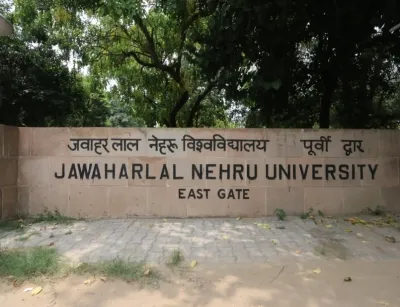
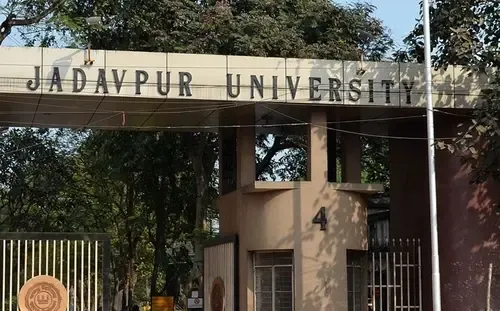
New Delhi, Feb 23 (NationPress) CPI-M leader Brinda Karat has criticized the Vice-Chancellor of Jawaharlal Nehru University (JNU), Santishree Dhulipudi Pandit, asserting that the recent turmoil at the university lies solely with her. Karat has accused Pandit of undermining one of India’s esteemed educational institutions.
The remarks from Karat followed violent clashes that erupted on the JNU campus early Monday morning, as opposing student groups exchanged accusations of aggression during a protest rally.
The Jawaharlal Nehru University Students’ Union (JNUSU) had organized an “Equality March” demanding the resignation of Vice-Chancellor Pandit due to her purportedly “casteist” comments made during a podcast on February 16. Additionally, the Union expressed discontent regarding her statements about UGC regulations, Dalit issues, and affirmative action, and sought the reversal of a rustication order against four student leaders tied to alleged vandalism during a prior protest.
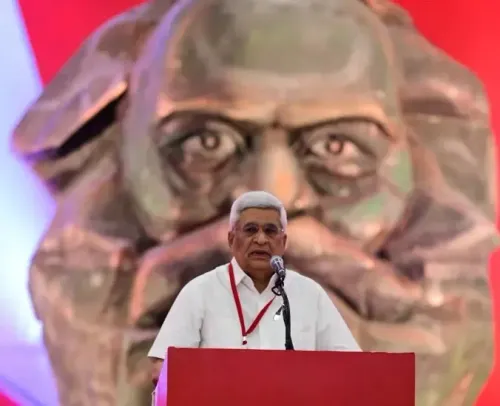
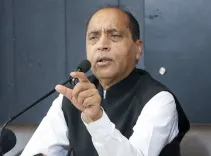
In an interview with IANS, Karat stated: "The series of events at JNU over the past few days can be traced back to the current VC's policies. Her remarks about Dalits are particularly condemnable. Has she ever engaged with the Constitution of India? Is she aware that Dalits remain one of the most marginalized and oppressed groups due to the caste system? As the head of a premier university, her disparaging comments about perceived victimhood are utterly unacceptable."
"Students have every right to protest. It’s important to note that the protests were entirely non-violent. There were two types of demonstrations: one was a peaceful march calling for her resignation, while the other protested the suspension of elected JNUSU leaders, where students engaged in peaceful protests and conducted alternative classes."
Karat contended that tensions escalated when another faction intervened. She remarked, "A group aligned with the VC's ideology attacked the peaceful protesters yesterday. Therefore, the incidents at JNU are the VC's responsibility. She is eroding one of India’s finest universities," she told IANS.
In response to reports about a new penal code in Afghanistan introduced by the Taliban, which purportedly legitimizes domestic violence against wives and children as long as it does not lead to serious physical harm, Karat commented: "I read last week about the Taliban government in Afghanistan legalizing domestic violence. When you endorse such acts, you foster a culture of violence. This also reinforces a deeply discriminatory social structure in Afghan society, which I consider a grave issue."
Point of View
The unfolding events at JNU reflect deeper systemic issues within academic governance and student rights. The clash between ideological factions, fueled by controversial remarks from the administration, raises pressing questions about leadership accountability in educational institutions.
NationPress
27 Sept 2026
Frequently Asked Questions
What triggered the violence at JNU?
The violence at JNU was triggered by a protest rally where students from opposing ideological groups clashed, following controversial remarks made by the Vice-Chancellor.
What are the demands of the JNUSU?
The JNUSU is demanding the resignation of Vice-Chancellor Pandit over her alleged casteist remarks and seeking the revocation of rustication orders against student leaders.
How did Brinda Karat respond to the situation?
Brinda Karat condemned the Vice-Chancellor's remarks and stated that she holds her responsible for the unrest at JNU, emphasizing the need for accountability.
What are the implications of the Taliban's new penal code?
The Taliban's new penal code, which reportedly legitimizes domestic violence, raises serious concerns about the reinforcement of discriminatory practices in Afghan society.
What was the nature of the protests at JNU?
The protests were predominantly peaceful, with students demanding the Vice-Chancellor's resignation and expressing their concerns over administrative actions.