Karnataka passes B-Khata to A-Khata Bill, relief for lakhs of property owners
Synopsis
Decades of legal limbo for lakhs of Karnataka property owners may finally be over. The state assembly has passed an amendment that creates a formal legal pathway to convert B-Khata records to A-Khata, unlocking bank loans, building approvals, and secure ownership — while also shutting the door on new unauthorised layouts.
Key Takeaways
The Karnataka Legislative Assembly passed the Karnataka Municipal Corporations (Amendment) Bill, 2026 on 21 August 2026 .
The Bill enables properties in unauthorised layouts to convert from B-Khata to A-Khata , granting legally recognised ownership rights.
A key provision allows roads in unauthorised layouts to be formally declared public roads under the concerned municipal body, triggering eligibility for A-Khata.
A-Khata status will ease access to bank loans, building plan approvals, and Occupancy Certificates (OCs) .
The scheme, already implemented in Bengaluru , will be extended to municipal corporations, municipalities, and Gram Panchayat areas statewide.
The government also introduced measures to prevent new unauthorised layouts, having taken a firm stance against fresh violations since 2024 .
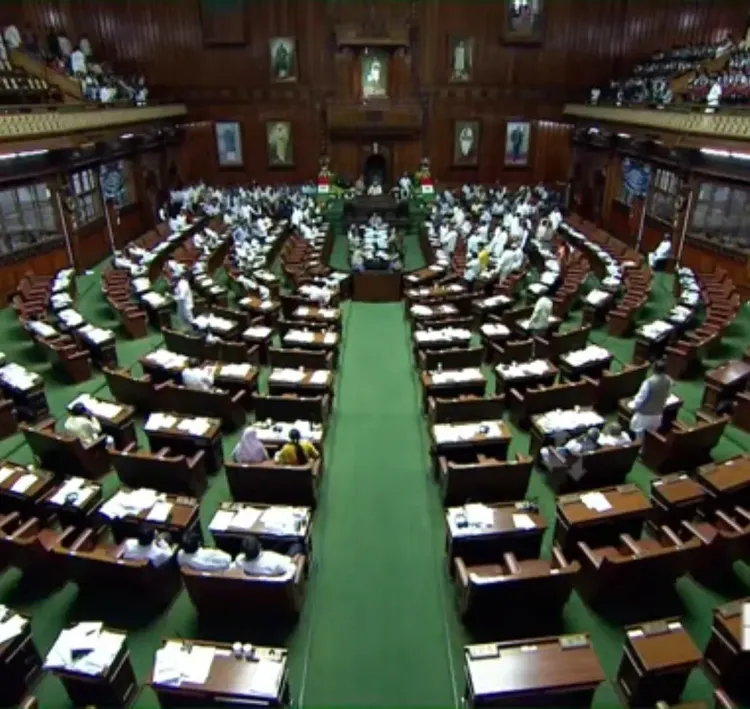
The Karnataka Legislative Assembly on 21 August 2026 passed the Karnataka Municipal Corporations (Amendment) Bill, 2026, clearing the path for lakhs of property owners in unauthorised layouts across the state to convert their B-Khata records to A-Khata — granting them full, legally recognised ownership rights for the first time in decades.
What the Bill Does
The amendment targets properties in unauthorised layouts that have existed across Karnataka's urban areas for the past three to four decades. These properties were previously ineligible for A-Khata due to the absence of a legal provision, leaving owners in administrative and legal limbo despite occupying their plots for generations.
A key provision of the Bill creates a formal legal mechanism for roads within unauthorised layouts — which often remain recorded in the names of original landowners — to be officially declared public roads and transferred to the concerned municipal corporation or municipality. Once roads are formally recognised, eligible plots and houses in such layouts can apply for A-Khata, subject to applicable rules and conditions.
What the Government Said
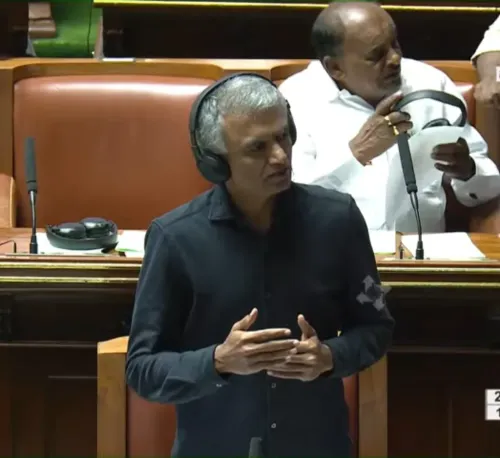
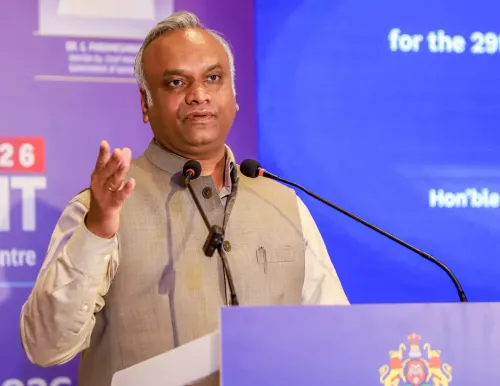
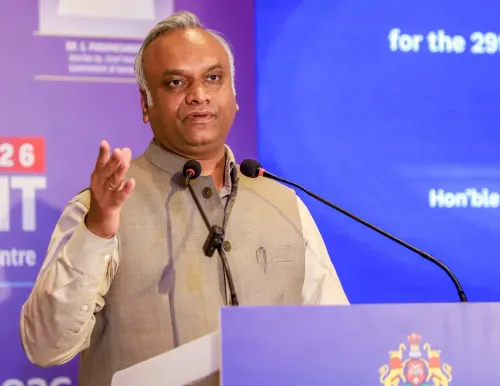
Introducing the Bill in the Assembly, Minister Krishna Byre Gowda framed it as part of the government's and the Chief Minister's commitment to a 'Land Guarantee' for every property owner in Karnataka.
'The amendment to Section 284 of the Municipal Corporations Act is being brought in to address the fundamental problems associated with unauthorised layouts and provide a legal pathway for resolving the difficulties faced by property owners,' he said.
Gowda acknowledged that previous governments had failed to act decisively. 'Despite knowing that such developments were unauthorised, previous governments did not take adequate steps to prevent them,' he said, adding that layout developers also lacked awareness of the legal restrictions. He noted that many such layouts were developed without roads of adequate width, electricity connections, underground drainage, reliable drinking water supply, or storm-water drainage.
'In effect, poorly planned and unregulated layouts were created, leaving property owners without secure and legally recognised ownership of their properties. They have been caught in a difficult situation, though no fault of their own,' Gowda said.
Impact on Citizens
The conversion from B-Khata to A-Khata carries significant practical benefits. A-Khata holders will find it easier to access housing and property loans from banks. The change will also remove existing hurdles in obtaining building plan approvals and Occupancy Certificates (OCs), subject to statutory requirements.
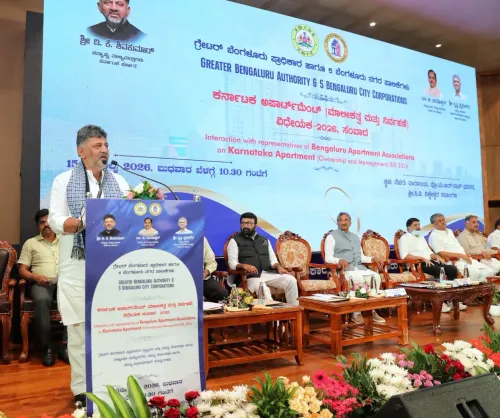
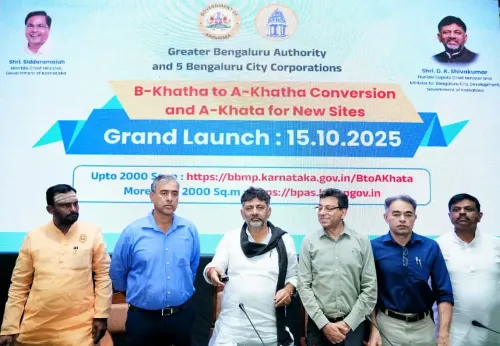
The system has already been implemented in Bengaluru and, on the direction of the Chief Minister, is now being extended to municipal corporations, municipalities, and Gram Panchayat areas across Karnataka.
Preventing Future Violations
The government stated that in 2024, it took a firm position against the creation of new unauthorised layouts, putting in place measures to prevent fresh violations. The Bill thus addresses two fronts simultaneously: providing a regulated solution for eligible legacy cases while closing the door on future unauthorised developments.
With the Assembly's approval, the amendment is set to bring legal clarity to one of Karnataka's most persistent urban governance challenges — and the next step will be the framing of rules and conditions under which eligible property owners can initiate the conversion process.
Point of View
But its passage is only half the work. Karnataka's unauthorised layout problem is decades old precisely because successive governments collected taxes from B-Khata holders without resolving their status — a convenient ambiguity that suited local political ecosystems. The real test lies in implementation: whether the road-declaration mechanism will be processed swiftly or become a new chokepoint for rent-seeking at the municipal level. The government's simultaneous move to block new unauthorised layouts is the right instinct, but enforcement has historically been the weak link in Karnataka's urban governance.
NationPress
5 Oct 2026
Frequently Asked Questions
What is the Karnataka Municipal Corporations (Amendment) Bill, 2026?
It is a legislative amendment passed by the Karnataka Assembly on 21 August 2026 that creates a legal pathway for properties in unauthorised layouts to convert from B-Khata to A-Khata, granting owners full and legally recognised property rights. The amendment modifies Section 284 of the Municipal Corporations Act.
What is the difference between B-Khata and A-Khata in Karnataka?
A-Khata is the official property record issued by municipal bodies to properties in authorised layouts, conferring full legal ownership and enabling bank loans, building approvals, and Occupancy Certificates. B-Khata is a secondary record issued to properties in unauthorised layouts, which does not confer the same legal standing or access to formal financial services.
Who is eligible for B-Khata to A-Khata conversion under the new Bill?
Properties in unauthorised layouts across Karnataka that have existed for the past three to four decades are potentially eligible, subject to applicable rules and conditions. A key requirement is that roads within the layout must first be formally declared public roads by the concerned municipal corporation or municipality.
What practical benefits does A-Khata provide to property owners?
A-Khata makes it easier for owners to obtain housing and property loans from banks. It also removes hurdles in securing building plan approvals and Occupancy Certificates, subject to statutory requirements, giving owners far greater security and usability over their properties.
Will the scheme apply only to Bengaluru or across Karnataka?
The scheme has already been implemented in Bengaluru and is now being extended, on the Chief Minister's direction, to municipal corporations, municipalities, and Gram Panchayat areas across Karnataka.