CM Himanta's Assam Police Recover 98 Cattle in Joint Op
Synopsis
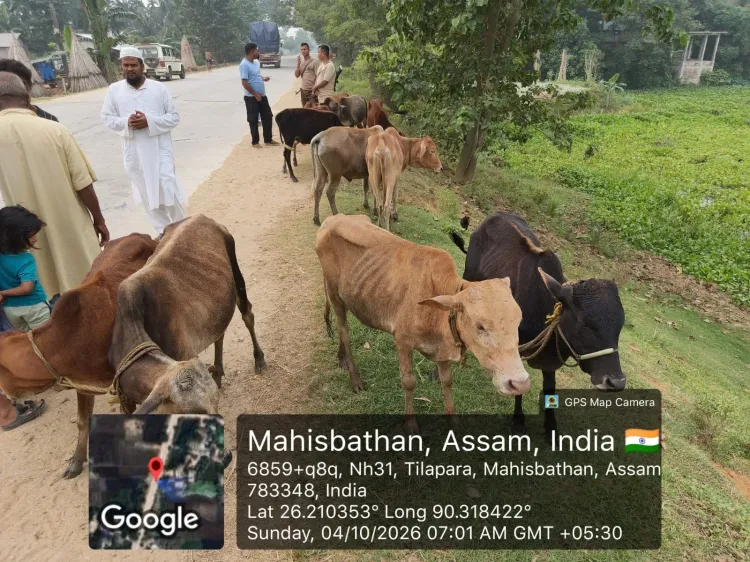
Assam CM Himanta Biswa Sarma announced joint operations by Kokrajhar and Dhubri Police that recovered 98 cattle and led to one arrest, targeting smuggling networks along Assam's vulnerable Lower Assam border corridors.
Key Takeaways
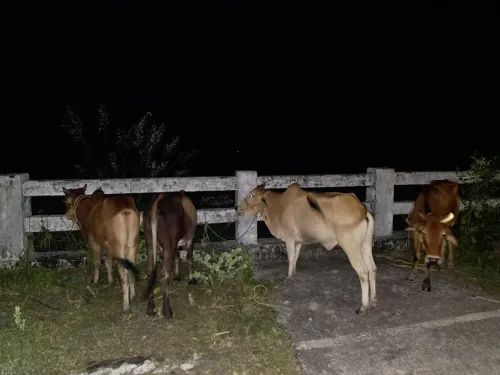
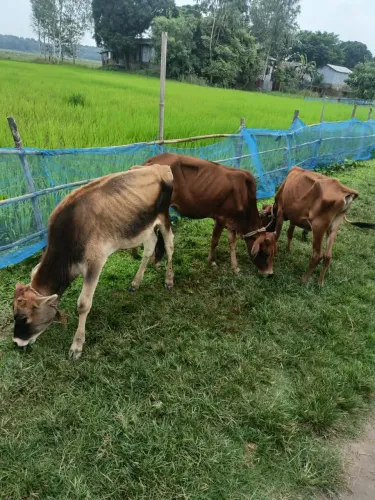
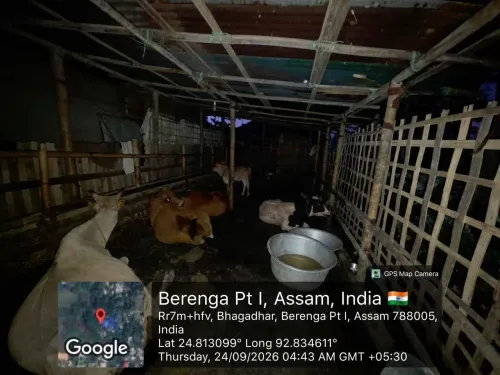
98 cattle were recovered in multiple operations conducted jointly by Kokrajhar Police and Dhubri Police .
One accused was apprehended in connection with the smuggling attempt.
Assam CM Himanta Biswa Sarma publicly credited the two district police forces on October 5, 2026 .
Kokrajhar and Dhubri districts are key pressure points for cattle smuggling due to their proximity to international borders.
The CM's post signals continued administrative focus on curbing cross-border livestock trafficking in Lower Assam.
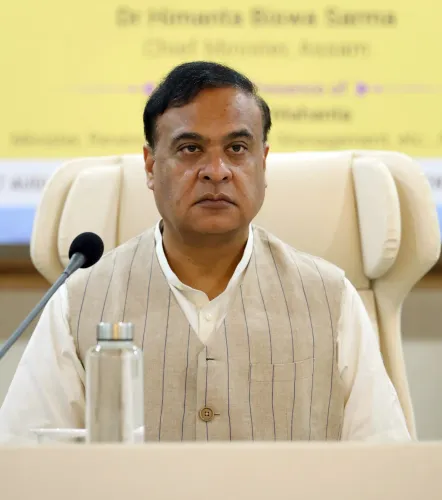
Ninety-eight cattle recovered, one accused in custody — and a cattle-smuggling network stopped cold at the Assam border. Assam Chief Minister Himanta Biswa Sarma took to X on Monday, October 5, 2026, to flag a coordinated anti-smuggling operation conducted by Kokrajhar Police and Dhubri Police, two districts that sit squarely on some of the state's most porous smuggling corridors.
The Operation: Kokrajhar and Dhubri Police Strike Together
The Chief Minister's post credited 'multiple operations' by the two district forces, resulting in the recovery of 98 cattle and the apprehension of one accused. Kokrajhar and Dhubri districts border Bangladesh and Bhutan respectively, making them perennial flashpoints for livestock smuggling — a trade that has long drawn the attention of law enforcement across Lower Assam.
Sarma's tone carried a pointed message: 'Don't underestimate the power of the Assam Police.' It was as much a warning to smuggling networks as it was a public endorsement of ground-level police work.
Why Cattle Smuggling in Lower Assam Stays on the Radar
Cattle smuggling across the Assam-Bangladesh frontier has been a persistent law-and-order concern in the region. The trade typically involves livestock being driven through riverine and forested terrain under cover of darkness, often with the support of local intermediaries. Districts like Dhubri — which shares an international boundary with Bangladesh — and Kokrajhar in the Bodoland Territorial Region are frequently cited in such operations.
The CM's administration has repeatedly positioned aggressive policing of this corridor as both an economic and a sovereignty issue, with recovered cattle returned to rightful owners or animal shelters and accused individuals handed over for prosecution.
A Pattern of Public Accountability
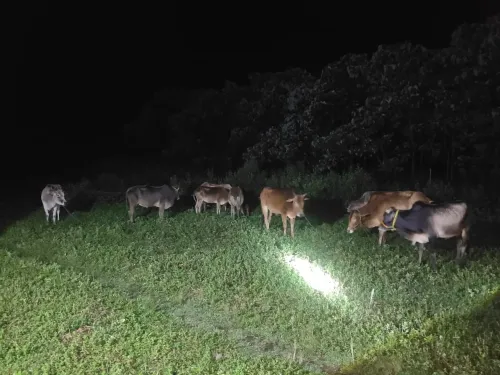
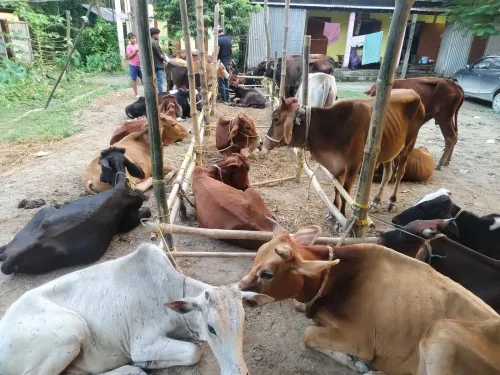
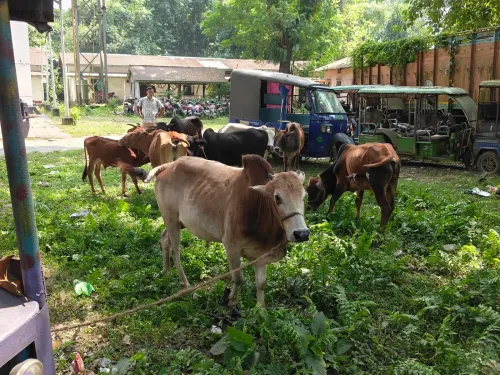
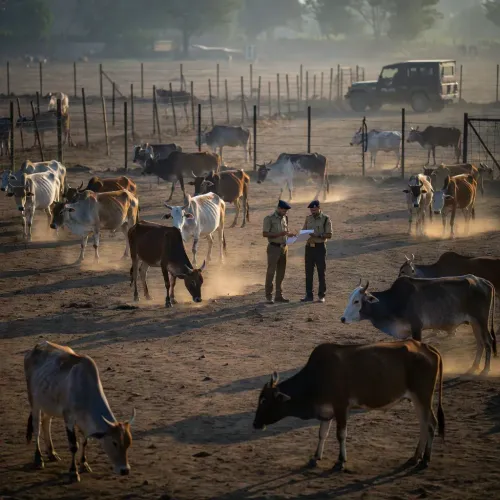
By highlighting the haul directly on social media — complete with images from the operation — Sarma reinforced a governance style that treats transparency in law enforcement as a political statement. The sheer number, 98 animals in a single coordinated swoop, signals operational scale rather than a routine patrol intercept.
One arrest may seem modest against 98 recovered cattle, but it opens an investigative thread into the supply chain behind the seizure — handlers, transporters, and buyers who keep such networks alive.
The next question is whether the accused leads investigators further up the chain. On that front, Assam Police has its work cut out.
Point of View
Communal sensitivity, and cross-border sovereignty, making it a consistently high-visibility issue for the BJP government in Guwahati. By naming specific districts rather than issuing a generic statement, Sarma also applies indirect pressure on other district forces to match performance. The single arrest against 98 recovered animals, however, will invite scrutiny over whether the wider network behind the operation is being pursued.
NationPress
6 Oct 2026
Frequently Asked Questions
How many cattle were recovered in the Assam Police operation?
98 cattle were recovered across multiple operations conducted jointly by Kokrajhar Police and Dhubri Police in Assam.
Which districts were involved in the cattle smuggling crackdown?
The operations were carried out by Kokrajhar Police and Dhubri Police , two districts in Lower Assam that border Bangladesh and the Bodoland Territorial Region.
Who announced the Assam cattle recovery operation?
Assam Chief Minister Himanta Biswa Sarma announced the operation on X on October 5, 2026 , crediting the two district police forces.
Why is cattle smuggling a major issue in Assam?
Districts like Dhubri — which shares a border with Bangladesh — and Kokrajhar in the Bodoland Territorial Region are vulnerable to cattle smuggling due to porous riverine and forested terrain, making anti-smuggling operations a regular law-and-order priority.
How many people were arrested in the Assam cattle smuggling operation?
One accused was apprehended during the joint operations by Kokrajhar and Dhubri Police, opening a potential investigative trail into the wider smuggling network.