Karti Chidambaram warns Lok Sabha expansion could deepen North-South divide
Synopsis
Karti Chidambaram has put a number to the North-South fear: a 50% uniform expansion of Lok Sabha seats would widen the gap between Tamil Nadu-Puducherry and Uttar Pradesh from 40 seats to 60 — keeping the ratio the same but handing the north a larger absolute advantage. It is a precise arithmetic argument that reframes the delimitation debate beyond proportions and into the raw power of parliamentary headcounts.
Key Takeaways
Congress MP Karti P.
Chidambaram warned on 9 August that expanding Lok Sabha strength could deepen the North-South representation gap.
Tamil Nadu and Puducherry hold 40 seats against Uttar Pradesh's 80 ; a 50% uniform expansion would widen the gap from 40 to 60 seats .
Joseph Vijay chaired a meeting of MPs in Chennai on 8 August to build a common position on delimitation.
Southern states argue that success in population control should be rewarded, not penalised, in seat allocation.
Chidambaram stressed that in Parliament, absolute numbers — not just proportions — determine legislative outcomes.
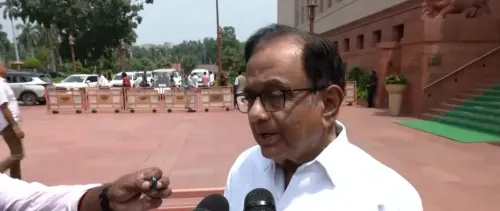
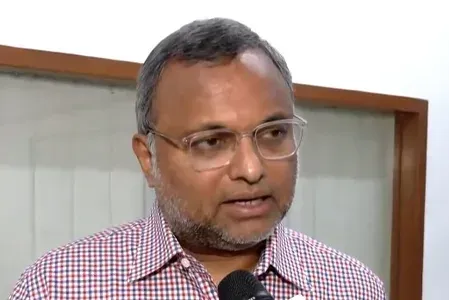
Congress MP Karti P. Chidambaram on Sunday, 9 August cautioned that expanding the strength of the Lok Sabha as part of the proposed delimitation exercise could widen the absolute numerical gap in parliamentary representation between Tamil Nadu and more populous states like Uttar Pradesh. Speaking in Sivaganga, he argued that a proportional increase in seats would not adequately protect southern states' interests when parliamentary decisions hinge on absolute numbers.
The Arithmetic Behind the Concern
Chidambaram laid out the numbers plainly: Tamil Nadu and Puducherry together currently hold 40 Lok Sabha seats, against Uttar Pradesh's 80. If constituencies were expanded uniformly by 50 per cent, Tamil Nadu and Puducherry would rise to roughly 60 seats while Uttar Pradesh would climb to 120 — keeping the ratio intact but stretching the numerical gap from 40 seats to 60. He stressed that in a parliamentary democracy, absolute numbers carry decisive weight, not just proportions.
The Sivaganga MP also noted that the existing 543-member Lok Sabha already limits individual MPs' opportunities to participate meaningfully in debates. A larger House, he argued, would not automatically translate into better parliamentary functioning.
Tamil Nadu's Broader Political Push
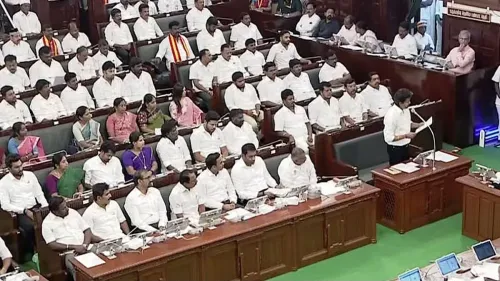
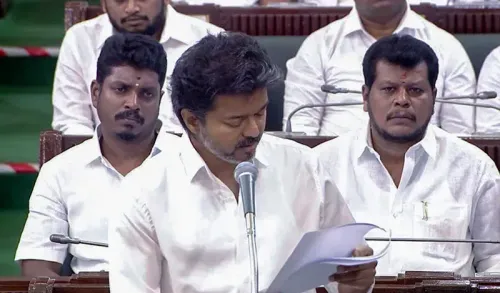
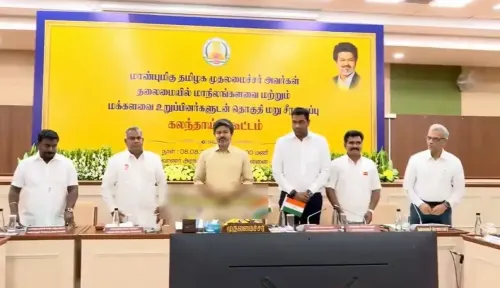
Chidambaram's remarks came a day after Tamil Nadu Chief Minister C. Joseph Vijay convened a meeting of MPs in Chennai on Saturday, 8 August, to discuss the delimitation exercise and forge a common position to safeguard the state's parliamentary representation. The meeting centred on concerns that a population-based redistribution of seats would erode Tamil Nadu's relative influence in Parliament.
Participants at the Chennai meeting argued that states which successfully implemented population-control measures over several decades should not be penalised through reduced representation. This sentiment has been a consistent refrain from southern states across multiple delimitation discussions.
The Delimitation Debate and Southern States
The delimitation issue has become one of the most politically charged fault lines between northern and southern India. Southern states — including Tamil Nadu, Kerala, Karnataka, Andhra Pradesh, and Telangana — have repeatedly argued that demographic performance and success in population control should be factored into any future allocation of parliamentary seats, not population size alone.
Critics of a purely population-based formula warn that it would substantially increase the parliamentary strength of more populous northern states, potentially shifting the balance of legislative power in ways that could disadvantage states that invested in family planning and human development over decades.
What Chidambaram's Intervention Adds
Notably, Chidambaram's argument goes a step further than the standard southern-states position. While most critics of the delimitation exercise focus on preventing a proportional loss of seats, he questions whether even a proportional expansion of the House would be sufficient protection. A larger numerical majority for heavily populated states, he contends, could have significant real-world consequences when legislation is decided by headcount on the floor of Parliament.
As the delimitation debate intensifies ahead of the scheduled exercise, the political consensus among Tamil Nadu's parties — cutting across ruling and opposition lines — appears to be hardening around resistance to any formula that prioritises raw population over developmental outcomes.
Frequently Asked Questions
What is Karti Chidambaram's concern about expanding Lok Sabha seats?
Karti Chidambaram argues that a proportional expansion of Lok Sabha seats would widen the absolute numerical gap between Tamil Nadu-Puducherry and Uttar Pradesh — from 40 seats currently to 60 — giving heavily populated northern states a larger headcount advantage in Parliament, even if the ratio between states stays the same.
How does the current Lok Sabha seat distribution compare between Tamil Nadu and Uttar Pradesh?
Tamil Nadu and Puducherry together hold 40 Lok Sabha seats, while Uttar Pradesh holds 80. A uniform 50% expansion would take Tamil Nadu-Puducherry to roughly 60 seats and Uttar Pradesh to 120, doubling the absolute gap.
Why did Tamil Nadu CM C. Joseph Vijay convene an MP meeting on 8 August?
Chief Minister C. Joseph Vijay called the Chennai meeting on 8 August to discuss the implications of the proposed delimitation exercise and build a common position among Tamil Nadu's MPs to protect the state's parliamentary representation from a population-only redistribution formula.
Why are southern states opposed to a population-based delimitation formula?
Southern states argue that they successfully implemented population-control measures over decades and should not be penalised with reduced relative representation because of that demographic success. A purely population-based formula would benefit more populous northern states that did not achieve similar fertility reductions.
What is the delimitation exercise and when is it expected?
Delimitation is the process of redrawing parliamentary and assembly constituency boundaries, typically based on census data. The upcoming exercise, expected to use the 2021 Census figures, has raised concerns among southern states that it could significantly increase the seat share of northern states with larger populations.