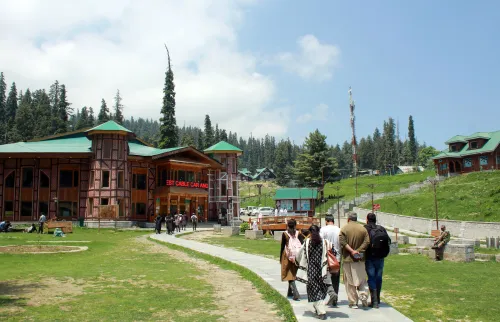
Kashmir tourism bounces back as heatwave scorches plains India

Synopsis
While plains India bakes under a record heatwave, Kashmir is quietly staging one of its most watched tourism recoveries — drawing over 1.7 crore visitors in 2025 despite a terror attack, resort closures, and cross-border military tensions. The numbers tell a story of resilience that goes well beyond holiday snapshots.
Key Takeaways
Tourists from heatwave-hit states like Gujarat (temperatures near 47°C ) are escaping to Srinagar and the Kashmir Valley for cool weather relief.
The IMD has forecast severe heatwave conditions across north, central, and eastern India through at least 28 May .
More than 1.7 crore tourists visited Jammu and Kashmir in 2025 , down from a record 2.4 crore the previous year but well above the 1.1 crore recorded in 2021 .
The 22 April 2025 Pahalgam terror attack temporarily closed at least 48 resorts and disrupted bookings across the region.
Tensions escalated further after Operation Sindoor , yet tourists gradually returned, signalling resilience in Kashmir's travel sector.
Even as north, central, and eastern India swelter under an intense heatwave, tourists are flocking to Srinagar and the Kashmir Valley, drawn by cool temperatures that offer a sharp contrast to the 47°C readings being recorded in states like Gujarat. Visitors across popular destinations including Gulmarg and Sonmarg described the Valley's climate as a welcome reprieve, underscoring Kashmir's growing role as a summer refuge for Indian travellers.
Tourists Speak: 'Heaven on Earth'
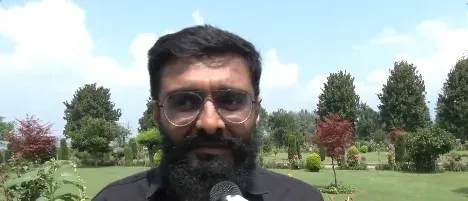
Rushi Barot, a tourist from Gujarat, captured the mood of many visitors. 'The weather conditions in Kashmir are much better than in Gujarat. Temperatures in Gujarat are touching around 47 degrees Celsius because of the heatwave. After coming here, it feels as if I have arrived during the winter season. I am feeling really good. The local people are very welcoming, and the houseboat experience has also been wonderful. We visited Gulmarg and Sonmarg as well. People say Kashmir is heaven on Earth, and now I truly feel that it is,' he said.
Another visitor, Chandni, who travelled to the Valley with her family, said the trip had been long-awaited. 'I had wanted to visit Kashmir for a very long time. We came here with our family and are enjoying a lot. We especially wanted to see snow. The scenic beauty here has made me extremely happy,' she said.
Heatwave Context: Why Kashmir Stands Apart
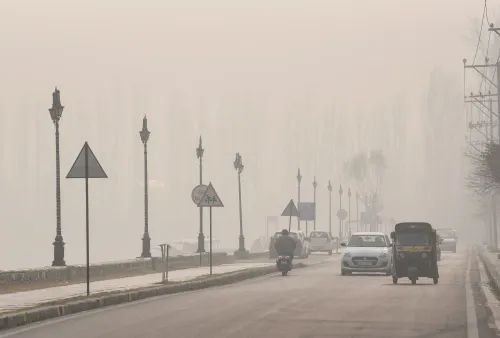
The India Meteorological Department (IMD) has warned of severe heatwave conditions across several states through at least 28 May. Parts of Delhi-NCR may see light rain and thunderstorms towards the weekend, bringing some relief. Against this backdrop, Kashmir's temperate climate — typically cool even in late May — has become a major pull factor for domestic tourists seeking escape from the heat.
Recovery After Pahalgam Attack and Operation Sindoor
The renewed tourist enthusiasm is particularly significant given the challenges the region has faced. The 22 April 2025 terror attack in Pahalgam, in which civilians were targeted by Pakistan-backed terrorists, had briefly disrupted tourism, investor confidence, and normal activity across Jammu and Kashmir. In the immediate aftermath, at least 48 resorts and several tourist destinations were temporarily shut as a precautionary measure.
Tensions escalated further following the launch of Operation Sindoor two weeks after the attack and subsequent retaliatory actions by Pakistan. Despite these disruptions, tourists gradually returned to the Valley, with many refusing to let security concerns derail their travel plans.
Tourism Numbers: Resilience Despite the Dip
Official figures show that more than 1.7 crore tourists visited Jammu and Kashmir in 2025. While this was lower than the record 2.4 crore visitors recorded the previous year, it remained substantially higher than the 1.1 crore tourists who visited in 2021 — a trajectory that reflects the region's enduring appeal and capacity to recover from disruption.
Tourism is widely regarded as the backbone of Jammu and Kashmir's economy, and the sector's steady recovery following the Pahalgam attack has been closely watched by both the administration and the hospitality industry. With summer arrivals picking up, stakeholders are cautiously optimistic about the months ahead.
Point of View
But it also masks a significant 29% drop from the record 2.4 crore of the previous year — a gap that the hospitality sector cannot afford to normalise. Kashmir's tourism recovery has historically been fragile, shaped as much by security headlines as by natural beauty. The fact that tourists returned despite the Pahalgam attack and Operation Sindoor is encouraging, but the administration's real test is whether it can rebuild investor confidence in resort infrastructure — at least 48 properties were shuttered — and convert cautious summer arrivals into year-round bookings. The heatwave is doing the marketing for now; policy needs to do the rest.
NationPress
11 Oct 2026
Frequently Asked Questions
Why are tourists visiting Kashmir during the India heatwave?
Kashmir's temperate climate remains cool even in late May, offering a sharp contrast to heatwave-hit plains states where temperatures have touched 47°C. Tourists from states like Gujarat are travelling to Srinagar, Gulmarg, and Sonmarg for relief from the heat.
How many tourists visited Jammu and Kashmir in 2025?
More than 1.7 crore tourists visited Jammu and Kashmir in 2025, according to official figures. While lower than the record 2.4 crore visitors the previous year, it was significantly higher than the 1.1 crore recorded in 2021.
How did the Pahalgam terror attack affect Kashmir tourism?
The 22 April 2025 attack in Pahalgam, in which civilians were targeted by Pakistan-backed terrorists, temporarily disrupted tourism, leading to at least 48 resort closures and reduced bookings. Tensions escalated further after Operation Sindoor, but visitors gradually returned over the following months.
What is the IMD forecast for the heatwave?
The India Meteorological Department has warned of severe heatwave conditions across several states through at least 28 May 2025. Parts of Delhi-NCR may see light rain and thunderstorms towards the weekend, with a gradual drop in temperatures expected.
What is the importance of tourism to Jammu and Kashmir's economy?
Tourism is considered the backbone of Jammu and Kashmir's economy. The sector witnessed a temporary slowdown after the April 2025 Pahalgam attack but has recovered steadily, with summer 2025 arrivals reflecting renewed traveller confidence in the region.