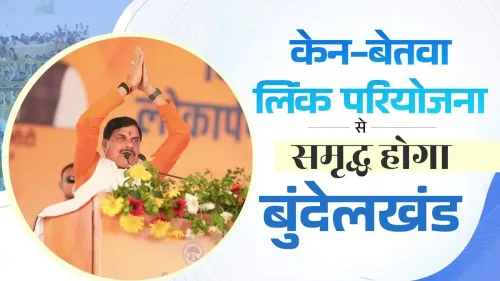
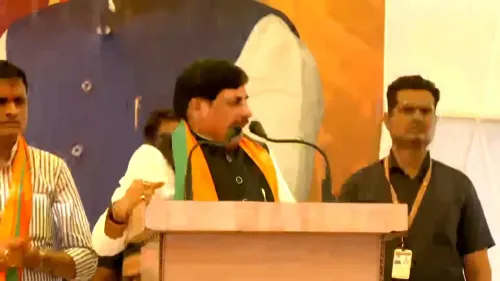
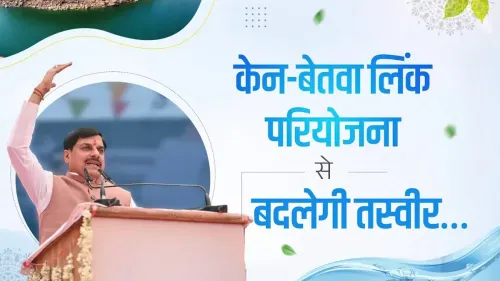
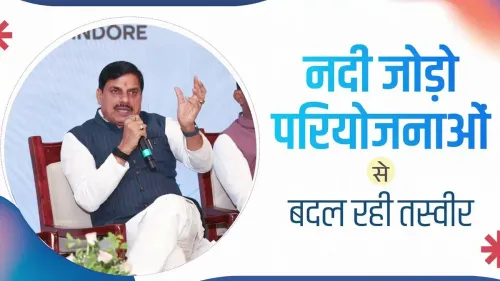
Ken-Betwa project: CM Mohan Yadav orders door-to-door outreach for 5,039 displaced families
Synopsis
With 5,039 families displaced and all having opted for the resettlement package, Madhya Pradesh CM Mohan Yadav's door-to-door outreach order for the Ken-Betwa project is as much a political signal as an administrative one — Bundelkhand's water future hinges on whether rehabilitation promises hold.
Key Takeaways
MP CM Mohan Yadav reviewed the Ken-Betwa River Linking National Project on 21 August at Khajuraho .
5,039 families are affected — 1,321 from Panna and 3,718 from Chhatarpur ; all have opted for the special resettlement package.
Officials directed to conduct door-to-door visits in affected villages, with priority attention to tribal families' concerns.
Project is projected to irrigate 8.11 lakh hectares , supply drinking water to 44 lakh people , and benefit 1,382 villages across 10 districts .
The project will generate 103 MW of hydropower and 27 MW of solar energy .
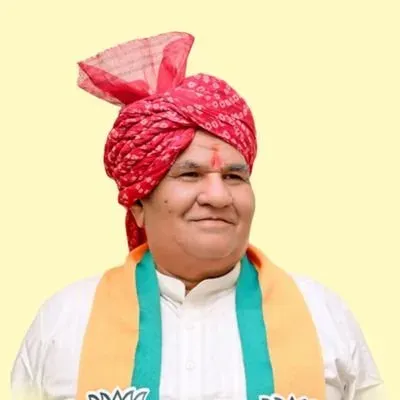
Water Resources Minister Tulsiram Silavat tasked with regular project monitoring and inter-departmental coordination.
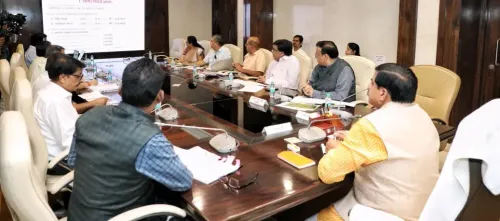
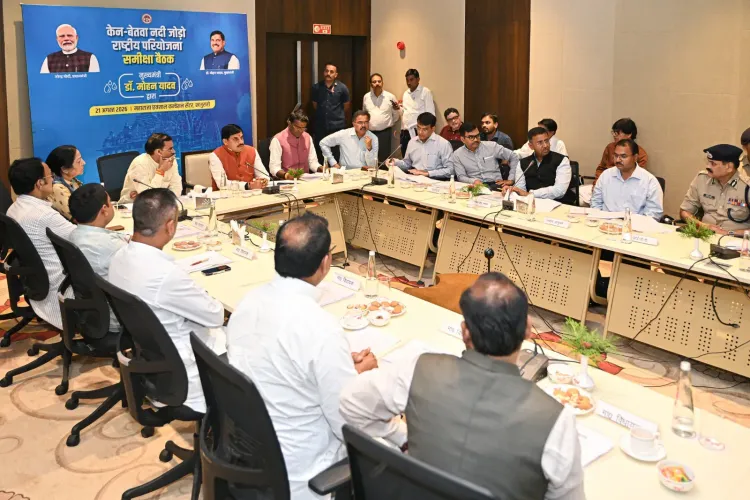
Madhya Pradesh Chief Minister Mohan Yadav on Friday, 21 August directed district officials to conduct door-to-door visits in villages affected by the Ken-Betwa River Linking National Project, pledging that the state government would leave no room for error in rehabilitating the 5,039 displaced families in Panna and Chhatarpur districts. The directives were issued during a project review meeting at the Maharaja Chhatrasal Convention Centre in Khajuraho.
Key Directives from the Review Meeting
Yadav instructed the district administrations of Panna and Chhatarpur to deploy officials directly to affected villages to hear grievances and resolve genuine issues on priority. He specifically called for sensitive handling of concerns raised by tribal families. Officials were also asked to ensure that eligible families receive the benefits of government schemes at their doorstep.
The Chief Minister further ordered the preparation of an action plan covering schools, Anganwadis, health centres, and community halls at rehabilitation sites. He directed Water Resources Minister Tulsiram Silavat to monitor the project regularly and ensure inter-departmental coordination. Immediate disbursement of additional compensation sanctioned for those affected by the Runjh-Majhgaon project in Panna was also ordered.
Scale of Displacement and Rehabilitation Status
Of the 5,039 affected families, 1,321 are from Panna and 3,718 from Chhatarpur. According to officials present at the review, all affected families have opted for the special rehabilitation and resettlement package offered by the government. In cases where affected persons lack documents establishing their age, a medical examination will be used to determine it.
Yadav also directed that Jan Chaupal meetings and awareness campaigns be organised in affected areas to explain the project's benefits and address residents' concerns transparently.
What the CM Said on Criticism
'The government is ready to listen to the grievances of genuine families affected by the Ken-Betwa link project. But some people are trying to mislead the people and defame such a large and important project, which is going to change the lives of people of entire Bundelkhand, is condemnable,' Yadav said at a press interaction following the review. He added: 'With such a large-scale scheme, the entire lifestyle of Bundelkhand is going to change. If someone tries to defame it or take political advantage of it, I will condemn such an act.'
Project Scope and Expected Benefits
The Ken-Betwa River Linking National Project is projected to expand irrigation capacity in Madhya Pradesh by approximately 8.11 lakh hectares and provide drinking water access to more than 44 lakh people. The project also envisages generation of 103 MW of hydropower and 27 MW of solar energy. It is expected to directly benefit 1,382 villages across Panna, Damoh, Chhatarpur, Tikamgarh, Niwari, Sagar, Vidisha, Raisen, Shivpuri, and Datia districts — the core of the historically water-scarce Bundelkhand region.
This comes amid longstanding concerns about displacement in Bundelkhand, where past infrastructure projects have drawn criticism over delayed compensation and inadequate resettlement. The state government's emphasis on proactive outreach signals an attempt to pre-empt similar controversies. The next visible milestone will be whether the action plans for rehabilitation infrastructure are operationalised within the timelines officials are expected to set.
Point of View
And getting ahead of them matters ahead of any electoral cycle. Yet the real accountability test is not the outreach order but whether the action plans for schools, health centres, and Anganwadis at rehabilitation sites are built and staffed on time. India's record on infrastructure-linked resettlement is uneven at best; announcing sensitivity toward tribal families is meaningfully different from delivering it. The fact that all 5,039 families have reportedly opted for the resettlement package is a positive signal, but voluntary uptake means little if the promised amenities lag disbursement of compensation.
NationPress
6 Oct 2026
Frequently Asked Questions
What is the Ken-Betwa River Linking National Project?
The Ken-Betwa River Linking National Project is an ambitious inter-state water infrastructure scheme that connects the Ken and Betwa rivers in the Bundelkhand region. In Madhya Pradesh, it is projected to expand irrigation capacity by about 8.11 lakh hectares, provide drinking water to over 44 lakh people, and generate 103 MW of hydropower and 27 MW of solar energy across 1,382 villages in 10 districts.
How many families are displaced by the Ken-Betwa project?
A total of 5,039 families in Panna and Chhatarpur districts are affected by the project — 1,321 from Panna and 3,718 from Chhatarpur. According to officials, all affected families have opted for the government's special rehabilitation and resettlement package.
What steps has the MP government announced for rehabilitation?
Chief Minister Mohan Yadav has directed officials to conduct door-to-door visits in affected villages, prioritise tribal families' grievances, ensure government scheme benefits reach families at home, and prepare action plans for schools, Anganwadis, health centres, and community halls at rehabilitation sites. Jan Chaupal meetings and awareness campaigns are also to be organised.
Which districts will the Ken-Betwa project directly benefit?
The project is expected to directly benefit 1,382 villages across ten districts: Panna, Damoh, Chhatarpur, Tikamgarh, Niwari, Sagar, Vidisha, Raisen, Shivpuri, and Datia — all in the Bundelkhand region of Madhya Pradesh.
What happens if displaced families lack age-proof documents?
Where affected persons do not have documents establishing their age, the government has directed that a medical examination be used to determine it, ensuring such families are not excluded from compensation and rehabilitation benefits.