Kerala HC Issues Notice Over Elephant Mistreatment at Thrissur Pooram 2025
Synopsis
The Kerala High Court admitted a PIL on April 24 alleging captive elephant abuse at Thrissur Pooram 2025, issuing notices to forest officials and devaswom secretaries. In a striking move, the petitioner proposed donating two robotic elephants to replace live ones during fireworks — a proposal that could reshape how India's grandest temple festivals treat animals.
Key Takeaways
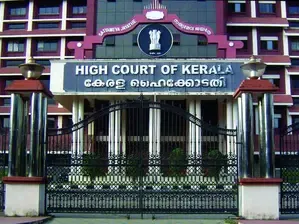
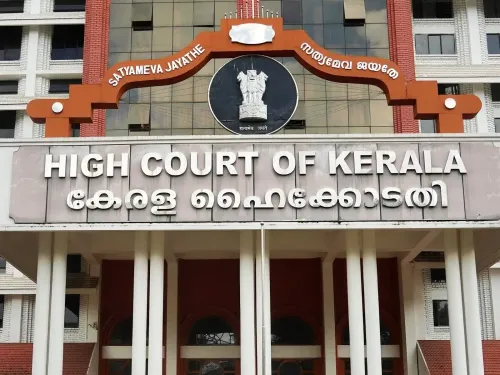
The Kerala High Court on April 24, 2025 admitted a PIL alleging mistreatment of captive elephants at Thrissur Pooram , scheduled for April 26 .
A vacation bench of Justice A.A.
Ziyad Rahman and Justice K.V.
Jayakumar issued notices to the Principal Chief Conservator of Forests , District Collectors of Thrissur and Palakkad , and secretaries of Thiruvambady and Paramekkavu Devaswoms .
The court refused interim orders , citing a pending Supreme Court matter in the Thiruvambady Devaswom vs Union of India case where stricter enforcement rules were stayed.
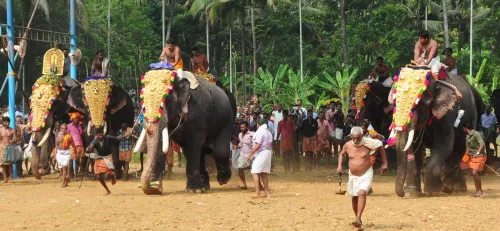
The petitioner alleged violations of the Wildlife (Protection) Act, 1972 and Kerala Captive Elephants Rules, 2012 , including exposure to high-decibel fireworks and denial of rest and food.
In an unprecedented proposal, the petitioner offered to donate two robotic elephants to the festival's two main organising factions as a humane substitute during fireworks displays.
The Kerala High Court has scheduled the next hearing for May 25, 2025 .
Kochi, April 24: The Kerala High Court issued notice on Friday on a public interest litigation (PIL) demanding urgent judicial intervention over the alleged mistreatment of captive elephants at the iconic Thrissur Pooram, scheduled for April 26, 2025. The petition raises serious concerns about animal welfare violations during one of India's grandest temple festivals, and has proposed a striking alternative — the use of robotic elephants during fireworks displays.
Court Admits Plea, Issues Notices to Key Officials
A vacation bench comprising Justice A.A. Ziyad Rahman and Justice K.V. Jayakumar admitted the PIL and directed notices to multiple authorities. Those served include the Principal Chief Conservator of Forests, the Assistant Conservator of Forests, the District Collectors of Thrissur and Palakkad, and the Thrissur District Police Chief.
The government pleader accepted notice on behalf of the state. Urgent notices were additionally issued to the secretaries of the Thiruvambady Devaswom and Paramekkavu Devaswom — the two principal organising bodies of the annual festival.
However, the court declined to grant any interim orders at this stage, citing a pending matter before the Supreme Court of India involving similar concerns. The apex court had earlier stayed High Court directions that mandated stricter enforcement of the Kerala Captive Elephants (Management and Maintenance) Rules, 2012, in the case of Thiruvambady Devaswom and Another versus Union of India.
What the Petition Alleges
The petitioner has flagged widespread and recurring violations of animal welfare norms at temple festivals across Kerala, with Thrissur Pooram being the focal point. The plea specifically alleges that elephants are routinely subjected to high-decibel fireworks at close range, forced to stand amid dense crowds without prescribed safety distances, paraded during restricted hours, and denied adequate rest, food, and water.
According to the petition, these practices directly violate the Wildlife (Protection) Act, 1972, the 2012 Captive Elephant Rules, and multiple government circulars issued over the years. The petitioner has demanded strict enforcement of minimum safety distances between elephants and fireworks, a ban on parading during peak heat hours, and mandatory veterinary certification before any elephant is permitted to participate in the festival.
The Robotic Elephant Proposal
In a remarkable and unprecedented suggestion, the petitioner has proposed deploying robotic elephants as a humane substitute for carrying idols during fireworks sequences. The petitioner has gone further, expressing willingness to donate two robotic elephants — one each to the Thiruvambady and Paramekkavu factions — for use at this year's festival.
This proposal reflects a growing national conversation about balancing cultural traditions with animal rights, and echoes similar debates in Tamil Nadu, Karnataka, and other states where temple elephants face comparable conditions during major festivals.
Broader Context: A Pattern of Concern
This is not an isolated case. Animal welfare advocates have long documented the physical and psychological stress endured by captive temple elephants in Kerala, a state that holds one of the largest populations of domesticated elephants in India. Incidents of elephant attacks on mahouts and bystanders during festivals have been reported repeatedly, often linked to stress-induced aggression.
Notably, the Supreme Court's stay on stricter enforcement rules has emboldened festival organisers, even as veterinary experts and wildlife activists warn that the current regulatory framework is inadequate. Critics argue there is a fundamental contradiction in a state that prides itself on progressive governance yet continues to allow practices that experts describe as institutionalised cruelty.
The Kerala Captive Elephants Rules, 2012, while progressive on paper, have faced persistent implementation challenges due to political sensitivity around temple traditions and the enormous economic and cultural weight of festivals like Thrissur Pooram.
What Happens Next
The Kerala High Court has posted the matter for further hearing on May 25, 2025. Given that Thrissur Pooram is just days away, the court's refusal to issue interim orders means the festival will proceed under existing conditions. However, the formal admission of the PIL and the issuance of notices to senior officials signals that judicial scrutiny of elephant welfare at religious festivals is intensifying.
The outcome of this case could set a significant precedent — not just for Thrissur Pooram, but for the hundreds of temple festivals across Kerala and other states where captive elephants are central to ritual proceedings. With the Supreme Court also engaged on related matters, a landmark ruling on the rights of captive elephants in India may be closer than ever.
Point of View
Kerala has maintained a paradox — championing progressive values while allowing temple festival culture to override codified animal protection laws. The Supreme Court's stay on stricter enforcement rules has created a dangerous regulatory vacuum that festival organisers have exploited. The robotic elephant proposal, however unconventional, forces a necessary public debate: at what point does cultural tradition become institutionalised cruelty, and who has the courage to draw that line?
NationPress
19 Sept 2026
Frequently Asked Questions
Why did the Kerala High Court issue notice regarding Thrissur Pooram elephants?
The Kerala High Court issued notice on a PIL alleging that captive elephants at Thrissur Pooram are subjected to high-decibel fireworks, denied rest and food, and paraded in violation of the Wildlife Protection Act and the Kerala Captive Elephants Rules 2012. The court admitted the plea on April 24, 2025, ahead of the festival on April 26.
What is the robotic elephant proposal in the Thrissur Pooram PIL?
The petitioner has proposed using robotic elephants as a humane alternative to live elephants during fireworks displays at Thrissur Pooram. He has also offered to donate two such robotic elephants — one each to the Thiruvambady and Paramekkavu Devaswoms — for use at this year's festival.
Did the Kerala High Court grant any interim relief to stop elephant use at Thrissur Pooram 2025?
No, the Kerala High Court declined to pass any interim orders, noting that a related matter is currently pending before the Supreme Court. The case has been posted for further hearing on May 25, 2025.
What laws govern captive elephant welfare at Kerala festivals?
The primary legal frameworks are the Wildlife (Protection) Act, 1972, and the Kerala Captive Elephants (Management and Maintenance) Rules, 2012. These mandate safety distances from fireworks, restricted parading hours, veterinary fitness certification, and adequate rest, food, and water for elephants.
What role does the Supreme Court play in Kerala elephant welfare cases?
The Supreme Court is currently hearing the case of Thiruvambady Devaswom and Another versus Union of India, in which it stayed earlier Kerala High Court directions that required stricter enforcement of the 2012 Captive Elephant Rules. This stay has limited lower courts from issuing fresh interim orders on the same issue.