Kerala HC rejects IAS officer's apology in Cashew Corporation corruption case

Synopsis
The Kerala High Court didn't just reject an apology — it drew a constitutional line. By warning that 'no government can protect you' if you confront the court, the bench signalled that bureaucratic cover for politically convenient orders has limits. The Cashew Corporation case, spanning alleged illegal imports from 2006 to 2015, has now become a flashpoint for judicial authority versus executive overreach in Kerala.
Key Takeaways
The Kerala High Court on 10 July rejected the unconditional apology of IAS officer K.
Biju , Cashew Department Secretary, in the Cashew Development Corporation corruption case.
The court warned civil servants: 'Do not try to confront the court.
If you do, no government can protect you.' The contempt proceedings arose from a government order on CBI prosecution sanction whose wording appeared to shift responsibility for the decision onto the High Court.
Industries Department Principal Secretary A.P.M.
Mohammed Hanish was also questioned over his role in advising the controversial order.
Chandrasekharan , the third accused and an INTUC leader, had cited the original order at a press conference before it was withdrawn.
The CBI case involves alleged illegal cashew imports from Africa between 2006 and 2015 , causing losses to the Kerala State Cashew Development Corporation .
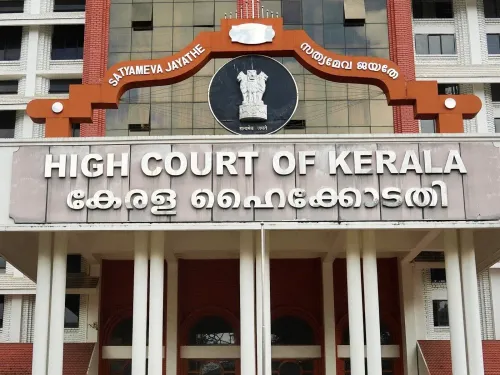
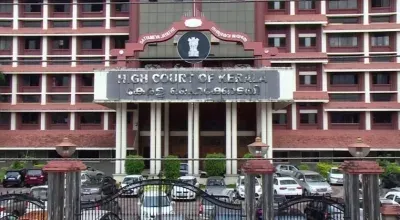
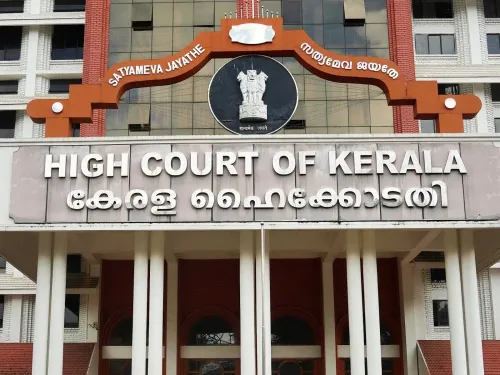
The Kerala High Court on Friday, 10 July refused to accept the unconditional apology filed by IAS officer and Cashew Department Secretary K. Biju over a controversial government order related to prosecution sanction in the multi-crore Kerala State Cashew Development Corporation corruption case. The court directed him to submit a revised affidavit addressing critical omissions it had identified, while delivering a pointed warning to the state's bureaucracy against acting as instruments of the government in matters concerning the judiciary.
The Court's Warning to Civil Servants
'Do not try to confront the court. If you do, no government can protect you,' the judge said, underscoring that government officers exist to serve the people — not to shield the administration. The court also quoted Napoleon Bonaparte, observing, 'A brave man dies only once.' The remarks are being read as a sharp signal to senior bureaucrats about the limits of political cover when judicial authority is at stake.
What Triggered the Contempt Proceedings
The case stems from a government order granting the Central Bureau of Investigation (CBI) sanction to prosecute accused persons in the Cashew Development Corporation import corruption case, including INTUC leader R. Chandrasekharan. The High Court had earlier taken strong exception to the wording of that order, finding that it appeared to suggest the government had granted prosecution sanction only under judicial compulsion — effectively shifting moral and legal responsibility onto the court itself.
Summoned before the bench, K. Biju filed an affidavit expressing unconditional regret, admitting that the language used was inappropriate, though he maintained it was not intentional. He withdrew all expressions that could be construed as questioning the court's authority or wisdom.
Why the Apology Was Rejected
The court found the apology incomplete on a specific and significant ground: the affidavit failed to explicitly acknowledge that the government had independently found a prima facie case in the corruption allegations before granting prosecution sanction. Without that admission, the court said, the apology did not adequately address the core concern.
The bench also turned its attention to Industries Department Principal Secretary A.P.M. Mohammed Hanish, questioning whether he had advised the present Secretary in issuing the contentious order.
The Sequence of Events
The original government order was subsequently withdrawn after the Advocate General intervened, and a fresh order was issued in its place. However, before its withdrawal, accused R. Chandrasekharan had already cited the original order at a press conference to mount what the court described as a political defence. The High Court observed that there appeared to have been a conscious attempt to discredit the judiciary and shield the accused — a characterisation that elevated the matter from procedural to institutional.
Background: The Cashew Corporation Case
The CBI case pertains to the alleged illegal import of raw cashew nuts from Africa between 2006 and 2015, which reportedly caused heavy financial losses to the Kerala State Cashew Development Corporation. Former Managing Director K.A. Ratheesh is the first accused in the case, while R. Chandrasekharan is the third accused. The High Court indicated it would determine further proceedings after reviewing the revised affidavit to be submitted by the government officials.
Point of View
Like that of many states, operates under significant political pressure — but this ruling is a reminder that judicial contempt proceedings are one arena where that pressure offers no insulation.
NationPress
9 Oct 2026
Frequently Asked Questions
Why did the Kerala High Court reject IAS officer K. Biju's apology?
The court found the apology incomplete because it did not specifically acknowledge that the government had independently found a prima facie case in the corruption allegations before granting CBI prosecution sanction. The affidavit was returned and K. Biju was directed to file a revised one addressing the omission.
What is the Kerala Cashew Development Corporation corruption case about?
The CBI case involves the alleged illegal import of raw cashew nuts from Africa between 2006 and 2015, which reportedly caused heavy financial losses to the Kerala State Cashew Development Corporation. Former Managing Director K.A. Ratheesh is the first accused, and INTUC leader R. Chandrasekharan is the third accused.
What warning did the Kerala High Court issue to bureaucrats?
The court warned civil servants not to become instruments of the government in matters involving the judiciary, stating: 'Do not try to confront the court. If you do, no government can protect you.' The bench also quoted Napoleon Bonaparte, saying 'A brave man dies only once.'
What was wrong with the original government order on prosecution sanction?
The High Court found that the order's wording created the impression that the government had granted CBI prosecution sanction only because it was compelled to do so by the court — effectively shifting responsibility to the judiciary rather than acknowledging an independent finding of a prima facie case.
What happens next in the contempt proceedings?
The High Court directed K. Biju to file a fresh affidavit incorporating the omissions identified by the court. The bench indicated it would decide on further proceedings after reviewing the revised affidavit. Principal Secretary A.P.M. Mohammed Hanish's role in advising the original order is also under scrutiny.