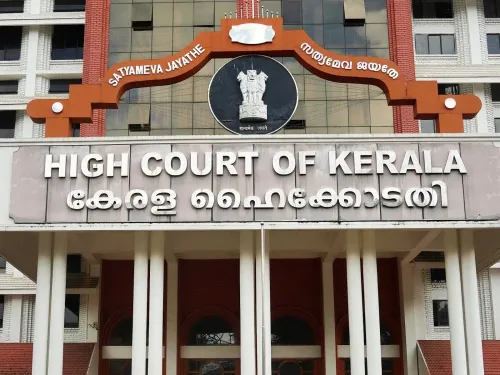
Kerala cashew case order row: Satheesan govt on defensive over Secretariat leak
Synopsis
A botched prosecution sanction order in Kerala's cashew import corruption case — one that reportedly questioned the High Court's own role — had to be pulled before it could be produced in court. More damaging still: the confidential document reportedly reached an accused before the hearing. The episode has put Chief Minister Satheesan on the defensive and reignited fears of a 'deep state' inside the Thiruvananthapuram Secretariat.
Key Takeaways
The Kerala Industries Department issued a prosecution sanction order against K.A.
Chandrasekharan in the multi-crore cashew import corruption case .
The order reportedly questioned the Kerala High Court's role and cited the accused's right to challenge the sanction — language that could have triggered contempt proceedings.
Jaju Babu withheld the order from the court; a revised version is being prepared for the next hearing.
The order's contents reportedly surfaced at a press conference by one of the accused before it was produced in court, raising fears of a Secretariat confidentiality breach .
Satheesan had not publicly responded to the controversy as of 4 July .
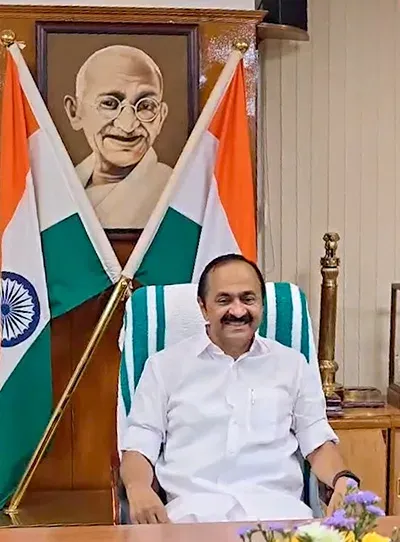
The Kerala government has been forced to withdraw and redraft a controversial prosecution sanction order in the alleged multi-crore cashew import corruption case, triggering serious questions about whether entrenched interests inside the Thiruvananthapuram Secretariat are shaping key decisions despite a change in political leadership. Chief Minister V.D. Satheesan is yet to publicly address the controversy as of 4 July.
What the Disputed Order Said
The order, issued by the Industries Department, granted CBI prosecution sanction against former Kerala State Cashew Development Corporation Managing Director K.A. Ratheesh and INTUC president R. Chandrasekharan — both accused in the cashew import case. While the sanction itself followed a direction from the Kerala High Court, it was the language of the order that set off alarm bells.
The order reportedly suggested the government had granted sanction only because it was compelled to do so by the court. It also carried observations interpreted as questioning the court's judicial role and, unusually, cited the accused's right to challenge the sanction — remarks that legal experts say could have exposed the government to contempt proceedings had they been placed before the bench.
How a Crisis Was Averted in Court
Advocate General K. Jaju Babu declined to produce the order before the High Court, instead seeking additional time to clarify its contents. The government has since begun preparing a revised order for submission when the matter comes up again next week. Legal circles have described the Advocate General's intervention as the only thing that prevented a potentially damaging judicial confrontation.
The Confidentiality Breach That Deepened the Crisis
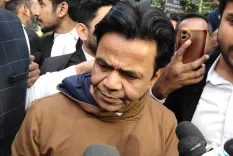
A separate and equally troubling development has intensified scrutiny of the Secretariat's internal workings. Before the order could be produced in court, its controversial contents reportedly surfaced at a press conference addressed by one of the accused. How a confidential government document under active judicial consideration reached an accused person has become a question demanding answers.
The disclosure has intensified calls for an internal inquiry into possible breaches of official confidentiality and the movement of sensitive files within the Secretariat. This is not merely a procedural lapse — it points to a potential pipeline between official file rooms and those with a direct interest in the case's outcome.
Bureaucratic Lapse or Deliberate Sabotage?
The episode has fuelled a pointed debate: was the controversial drafting an extraordinary administrative error, or a calculated attempt to place the government in a legally untenable position? The fact that such observations found their way into a sensitive government order has raised concerns about the bureaucratic machinery handling high-profile corruption cases under the new administration.
The developments have revived a larger question about whether elements of the old administrative establishment continue to operate behind the scenes, irrespective of which party holds office. Critics argue the episode reflects a structural problem — that political transitions at the top do not automatically translate into a change in the culture of the Secretariat's permanent bureaucracy.
What Happens Next
The revised prosecution sanction order is expected to be placed before the Kerala High Court when the case is taken up next week. Whether the government also orders an internal inquiry into the confidentiality breach will be closely watched. The answer to that question could have implications extending well beyond a single corruption case — touching the broader accountability of Kerala's bureaucratic apparatus.
Point of View
And how the document reached an accused, requires naming people inside the machinery the government depends on to function. The confidentiality breach is arguably more serious than the drafting error; the latter could be incompetence, but the former implies intent. If no internal inquiry follows, the administration risks signalling that such breaches carry no consequences — an invitation for repetition.
NationPress
3 Oct 2026
Frequently Asked Questions
What is the Kerala cashew import corruption case?
It is an alleged multi-crore corruption case involving the import of cashews, in which the CBI sought prosecution sanction against former Kerala State Cashew Development Corporation Managing Director K.A. Ratheesh and INTUC president R. Chandrasekharan . The Kerala High Court directed the government to grant the sanction.
Why was the prosecution sanction order withdrawn?
The order contained language that reportedly questioned the High Court's role in directing the sanction and cited the accused's right to challenge it — remarks legal experts said could have exposed the government to contempt proceedings. Advocate General K. Jaju Babu withheld it from the court, and a revised order is being prepared.
How did the confidential order reach the accused?
According to reports, the contents of the confidential government order surfaced at a press conference addressed by one of the accused before the document was produced in court. How it left the Secretariat has not been officially explained and is now the subject of calls for an internal inquiry.
What is Chief Minister Satheesan's response to the controversy?
As of 4 July, Chief Minister V.D. Satheesan had not publicly responded to the controversy. The government's immediate action was limited to the Advocate General seeking more time in court and the preparation of a revised order.
What happens next in the case?
The revised prosecution sanction order is expected to be placed before the Kerala High Court when the case comes up next week. Whether the government orders a separate internal inquiry into the confidentiality breach remains to be seen.