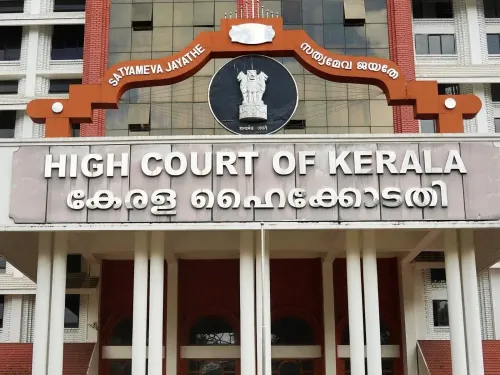
Kerala HC questions govt: How can scam accused head 3 PSUs?
Synopsis
The Kerala High Court has called out what may be one of the state's most brazen accountability failures: a bureaucrat who is the prime accused in a ₹600 crore CBI scam case simultaneously heads three public sector institutions — with the government's own sanction for his prosecution already in place. The court wants answers in four weeks.
Key Takeaways
The Kerala High Court on 30 July questioned the state government over the continued posting of Dr K.A.
Ratheesh — prime accused in the ₹600 crore Cashew Development Corporation scam — in three PSU roles.
Ratheesh holds the posts of Secretary, Kerala Khadi Board ; MD, Kerala State Rudronics ; and CEO, Kerala Khadi Workers Welfare Fund Board simultaneously.
The state government had already granted CBI prosecution sanction against Ratheesh, yet retained him in senior positions.
The petition alleges he has served as MD in PSUs for over 11 years , allegedly in breach of the Companies Act and without mandatory vigilance clearances.
The court, led by Justice A.
Badhar , has directed the government to file its reply within four weeks .
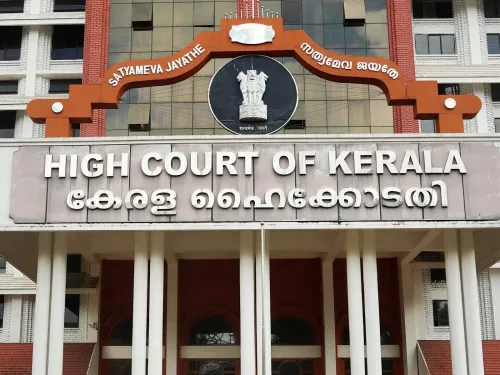
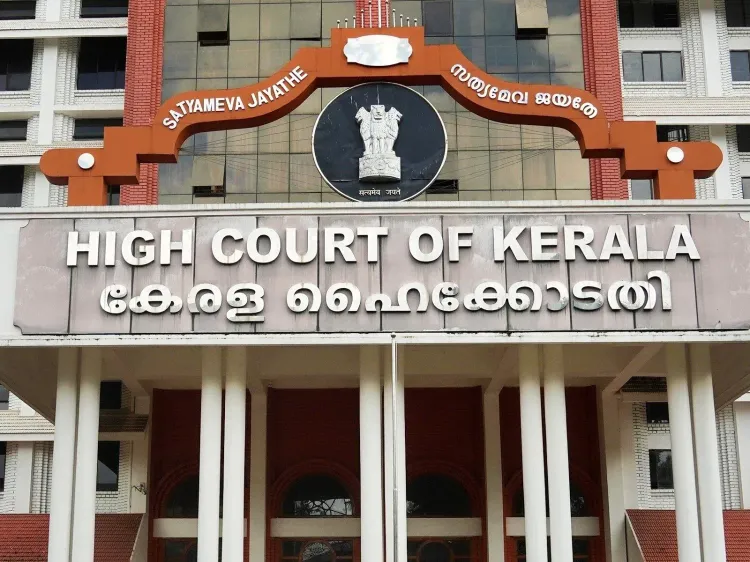
The Kerala High Court on Thursday, 30 July sharply rebuked the state government for retaining a senior bureaucrat — the prime accused in the alleged ₹600 crore Cashew Development Corporation scam — in three key public sector positions simultaneously. The court questioned how an officer facing criminal trial in a major corruption case could be entrusted with crucial government institutions handling public funds.
What the Court Said
A bench of Justice A. Badhar, hearing a petition filed by public activist K.M. Shajahan, directed the state government to file its response within four weeks. The court orally observed: 'Has the government appointed such a major corruption accused to head three important institutions?' — adding that the posts themselves offered ample scope for corruption.
The bench expressed serious concern over the continued appointment of Dr K.A. Ratheesh — the prime accused in the CBI case — as Secretary of the Kerala Khadi Board, Managing Director of Kerala State Rudronics, and Chief Executive Officer of the Kerala Khadi Workers Welfare Fund Board. The court noted that the allegations against Ratheesh were grave and sought an explanation on how such appointments were justified despite the pending criminal trial.
Background: The ₹600 Crore Scam
The CBI case stems from alleged irregularities in cashew imports during Ratheesh's tenure as Managing Director of the Kerala State Cashew Development Corporation. The state government had itself granted sanction for his prosecution in the case, yet he has continued to occupy senior administrative positions.
The petition further alleged that Ratheesh has served as Managing Director in public sector undertakings for over 11 years, reportedly in violation of the Companies Act, and without the mandatory vigilance clearances.
Pattern of Appointments Under Scrutiny
The High Court's observations come amid renewed scrutiny over successive governments allegedly retaining Ratheesh in influential public sector roles despite corruption charges and repeated judicial interventions. He has also faced additional corruption allegations during his tenures in various state-run enterprises, according to the petition.
Notably, this is not the first time judicial concern has been raised over his continuance — the latest proceedings represent an escalation in pressure on the government to account for a pattern that critics argue reflects institutional disregard for accountability norms.
What Happens Next
With the Kerala High Court signalling its displeasure and seeking a detailed explanation, the government's position on Ratheesh's appointments will now face close judicial scrutiny. The state has been given four weeks to file its reply, after which the court is expected to examine whether the appointments can legally continue given the pending prosecution.
Point of View
According to the petition, part of an 11-year pattern of postings that have survived multiple judicial interventions. The four-week deadline is a pressure valve, but unless the court moves toward interim relief — including suspension from the posts — the proceedings risk becoming another round of affidavit-filing without consequence.
NationPress
13 Sept 2026
Frequently Asked Questions
Who is Dr K.A. Ratheesh and what is he accused of?
Dr K.A. Ratheesh is a senior Kerala bureaucrat who is the prime accused in a CBI case relating to alleged irregularities in cashew imports worth ₹600 crore during his tenure as Managing Director of the Kerala State Cashew Development Corporation. The state government has already granted sanction for his prosecution in the case.
What three PSU posts does Ratheesh currently hold?
According to the petition before the Kerala High Court, Ratheesh simultaneously holds the posts of Secretary of the Kerala Khadi Board, Managing Director of Kerala State Rudronics, and Chief Executive Officer of the Kerala Khadi Workers Welfare Fund Board.
What did the Kerala High Court say on 30 July?
A bench of Justice A. Badhar orally questioned how a major corruption accused could be entrusted with three important public institutions, noting that the posts offered ample scope for corruption. The court directed the state government to file its response within four weeks.
What are the additional allegations in the petition?
The petition filed by activist K.M. Shajahan alleges that Ratheesh has served as Managing Director in public sector undertakings for over 11 years, reportedly in violation of the Companies Act, and without the mandatory vigilance clearances required for such postings.
What happens next in the case?
The Kerala government has four weeks to file its reply before the High Court. The court is then expected to examine whether Ratheesh's continued appointments are legally tenable given the pending CBI prosecution, with the proceedings now under close judicial scrutiny.