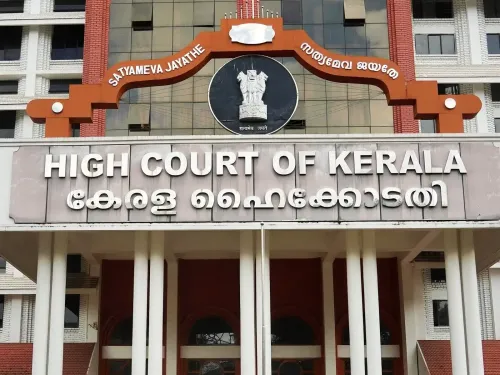
Kerala HC summons IAS officer over contemptuous remarks in KSCDC order
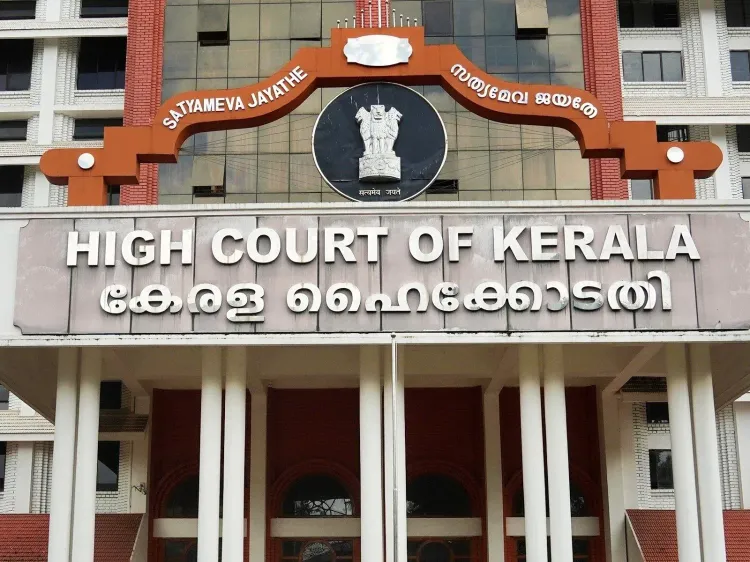
Synopsis
The Kerala High Court has initiated suo motu contempt proceedings against a senior IAS officer after a government order in the ₹600 crore KSCDC cashew corruption case appeared to discredit the judiciary and benefit the accused. The judge spared the Chief Minister but called the order 'foolish', and has summoned the officer to appear in person on Friday.
Key Takeaways
Kerala High Court initiated suo motu contempt proceedings against Cashew Development Department Secretary K.
The case involves alleged losses of approximately ₹600 crore in the KSCDC raw cashew import scam.
The government's 2 July order was found prima facie contemptuous; a revised order was issued on 6 July after the Advocate General flagged it as ex facie contempt.
Badharudeen said the order appeared designed to shield the accused and tarnish the judiciary's image.
The judge explicitly cleared the political executive, stating he did not believe the Chief Minister or ministers approved the order.
Biju has been directed to appear before the court in person on Friday .
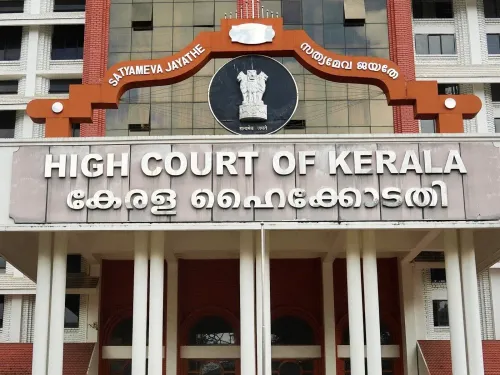
The Kerala High Court on Wednesday, 8 July initiated suo motu contempt proceedings against Cashew Development Department Secretary K. Biju, a senior IAS officer, after finding that a government order issued by him in the Kerala State Cashew Development Corporation (KSCDC) corruption case contained remarks that were prima facie contemptuous of the court and appeared designed to discredit the judiciary while shielding the accused. Justice A. Badharudeen has directed Biju to appear before the court in person on Friday and issued notice under Rule 9 of the Contempt of Court (High Court of Kerala) Rules.
Background: The KSCDC Corruption Case
The court was hearing a contempt petition filed by Kadakampally Manoj over the state government's repeated failure to grant timely sanction to prosecute former KSCDC officials accused of causing a loss of approximately ₹600 crore through the import of raw cashew nuts from Africa. The government has since granted CBI sanction to prosecute former Managing Director K.A. Ratheesh and former Chairman R. Chandrasekharan.
What Made the July 2 Order Objectionable
The court's ire centred on the first government order, issued on 2 July, which suggested that prosecution sanction was being granted solely because the High Court had compelled the government — rather than reflecting an independent administrative decision. The Advocate General himself advised the government to withdraw the order, describing portions of it as amounting to ex facie contempt of court. A revised order, with the offending references removed, was subsequently issued on 6 July.
Court's Strong Observations
Accepting the Advocate General's position, the High Court held that the earlier order constituted a serious attack on judicial independence and could not remain on record except for the purpose of initiating contempt and disciplinary proceedings against the officer concerned. Justice Badharudeen made a series of unusually strong oral observations, questioning whether the order had been drafted to protect the accused rather than facilitate prosecution.
The court further noted that the order appeared more beneficial to the accused than to the prosecution, and expressed concern that copies had reached the accused, who had publicly relied on its contents to mount a political defence.
Judge Spares Political Executive, Targets Officer
In a pointed observation, Justice Badharudeen made clear he did not hold the political executive responsible. 'I am blaming the officer alone. I do not believe the Chief Minister or Ministers would have approved such a foolish order,' the judge said, adding that the officer's conduct appeared to be a deliberate attempt to tarnish the image of the judiciary before the public.
What Happens Next
The case is scheduled to be heard again on Friday, when K. Biju is required to appear before the court in person. The High Court's decision to pursue both contempt and disciplinary proceedings simultaneously signals an unusually stern response to what it characterised as an assault on judicial independence. The outcome could set a significant precedent for how bureaucratic orders that impinge on court authority are treated in Kerala.
Point of View
The court has framed this as an institutional integrity issue rather than a political one. That framing, however, also raises a question mainstream coverage is glossing over — if a senior IAS officer can issue an order that the Advocate General himself flags as contemptuous, and that reaches the accused before the court notices, the internal vetting mechanisms within the Kerala secretariat clearly failed. The contempt notice is the headline; the systemic lapse is the story.
NationPress
7 Oct 2026
Frequently Asked Questions
Why did the Kerala High Court initiate contempt proceedings against IAS officer K. Biju?
The Kerala High Court found that a government order issued by Cashew Development Department Secretary K. Biju on 2 July contained remarks prima facie contemptuous of the court and appeared designed to discredit the judiciary while benefiting the accused in the KSCDC corruption case. The court initiated suo motu contempt proceedings after the Advocate General himself described portions of the order as ex facie contempt.
What is the KSCDC corruption case about?
The Kerala State Cashew Development Corporation (KSCDC) case involves alleged losses of approximately ₹600 crore caused by the import of raw cashew nuts from Africa. Former Managing Director K.A. Ratheesh and former Chairman R. Chandrasekharan are among those facing prosecution, for which the government has now granted CBI sanction.
What was wrong with the government order issued on 2 July?
The 2 July order suggested that prosecution sanction was being granted only because the High Court had compelled the government, rather than recording an independent administrative decision. The court found this framing contemptuous of judicial authority. A revised order deleting the offending references was issued on 6 July.
Did the court blame the Kerala Chief Minister or ministers for the order?
No. Justice A. Badharudeen explicitly stated he did not hold the Chief Minister or ministers responsible, saying he did not believe they would have approved 'such a foolish order.' The court directed blame solely at officer K. Biju, whose conduct it described as a deliberate attempt to tarnish the judiciary's image.
What happens next in the Kerala HC contempt case?
K. Biju has been directed to appear before the Kerala High Court in person on Friday. The court has indicated it intends to pursue both contempt and disciplinary proceedings against him, making this one of the more consequential judicial accountability actions in recent Kerala legal history.