Is Kerala's New Bar Timing Policy Prompting Political and Church Backlash?
Synopsis
The Kerala government's recent extension of bar hours has ignited controversy, facing backlash from political rivals and Church leaders. As election season approaches, the ruling party's motives are under scrutiny. Will this decision benefit the state financially or lead to societal concerns?
Key Takeaways
Kerala government extends bar operating hours to 10 a.m. to 12 midnight.
Decision has sparked political and Church backlash.
Opposition questions motives behind the policy change.
Potential for increased revenue in a liquor-dependent state.
Future policies may relax dry day norms in tourist areas.
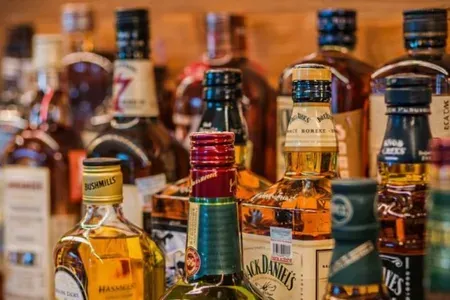
Thiruvananthapuram, Feb 18 (NationPress) The decision by the Kerala government to extend the operating hours for bars has sparked significant political and institutional controversy, attracting vehement criticism from Opposition parties and powerful Church organizations.
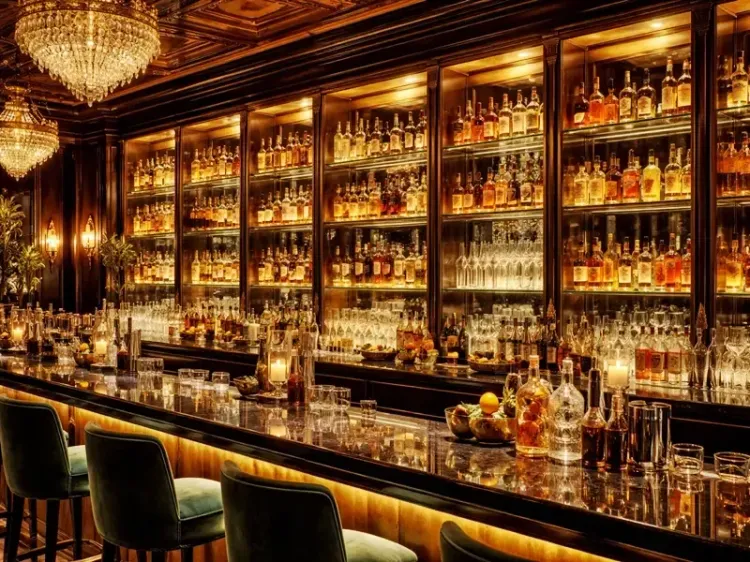
The directive, released by the Excise Department, modifies bar hours from the previous 11 a.m. to 11 p.m. to now allow service from 10 a.m. to 12 midnight, effectively granting an additional two hours of operation each day. This abrupt change has raised concerns, especially as allegations emerged that the ruling Left Democratic Front (LDF) did not discuss the matter thoroughly within the Cabinet.
Sources indicate that this decision was prompted by longstanding requests from bar owners, who have approached the government for five years, seeking extended hours—a plea that was consistently declined. The sudden approval, particularly in the lead-up to elections, has led the Opposition to speculate whether the motive is revenue generation rather than genuine policy reform.
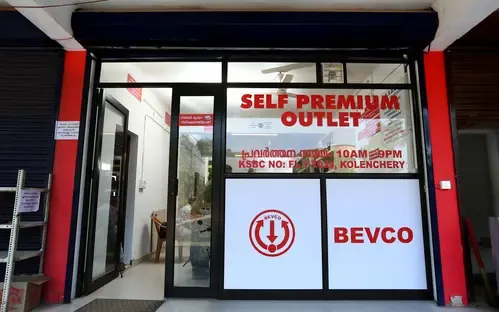
As of January 31, 2025, Kerala has 847 bar licenses, alongside 289 outlets managed by the Kerala State Beverages Corporation (BEVCO). Assessments from the Excise Department suggest that the additional hours could significantly enhance state revenue, given Kerala's heavy reliance on liquor sales.
The draft liquor policy for 2025-26 had already suggested relaxing dry day regulations in selected tourism areas. It proposed allowing hotels rated three stars and above to serve liquor on previously restricted days during weddings and international conferences, subject to prior approval and special fees. Furthermore, there are indications that certain bars in tourist destinations may be allowed to stay open until 3 a.m. during business tourism events.
The Kerala Catholic Bishops' Council (KCBC) has strongly condemned this decision. Its Temperance Commission characterized the shift as a “lightning-speed” policy change and has called for its immediate retraction, cautioning against an “excise-pleasing policy” enacted without proper Cabinet discussion.
Similarly, the Malankara Orthodox Syrian Church has urged a reversal of the decision, claiming that tourism is being exploited as a justification for increased liquor consumption.
Critics assert that the timing of the decision, so close to elections, has heightened public skepticism and placed the ruling front in a vulnerable position.
Nevertheless, the government maintains that the revised policy strives to achieve a balance between economic revitalization, tourism enhancement, and regulatory oversight, all while ensuring ongoing revenue stability for the State.
Point of View
The developments in Kerala highlight the complex interplay between economic policy and public sentiment. While extending bar hours may promise increased revenue, the backlash from religious and political entities signals deeper societal concerns that warrant careful consideration. It is crucial for the government to navigate these waters prudently, ensuring that policy decisions reflect the values and needs of the populace.
NationPress
30 Sept 2026
Frequently Asked Questions
What are the new bar operating hours in Kerala?
The new operating hours for bars in Kerala are from 10 a.m. to 12 midnight.
Why has the Kerala government extended bar hours?
The extension was partly due to long-standing requests from bar owners and aims to boost state revenue.
What has been the response from the Church regarding the new policy?
The Kerala Catholic Bishops' Council and the Malankara Orthodox Syrian Church have both opposed the decision, citing concerns over increased liquor consumption.
How many bar licenses are currently in Kerala?
As of January 31, 2025, Kerala has 847 bar licenses and 289 outlets operated by the Kerala State Beverages Corporation.
What potential changes are suggested in the liquor policy for 2025-26?
The draft policy suggests easing dry day norms in tourism zones and allowing certain hotels to serve liquor on dry days.